“₩100 Million Invested, and It’s Worth ₩18 Million?”... The Chilling Reality Behind the ‘₩70,000 Samsung Electronics Co., Ltd., ₩200,000 SK hynix’ Crash Warning
- Input
- 2026-11-21 14:00:00
- Updated
- 2026-11-21 14:08:45
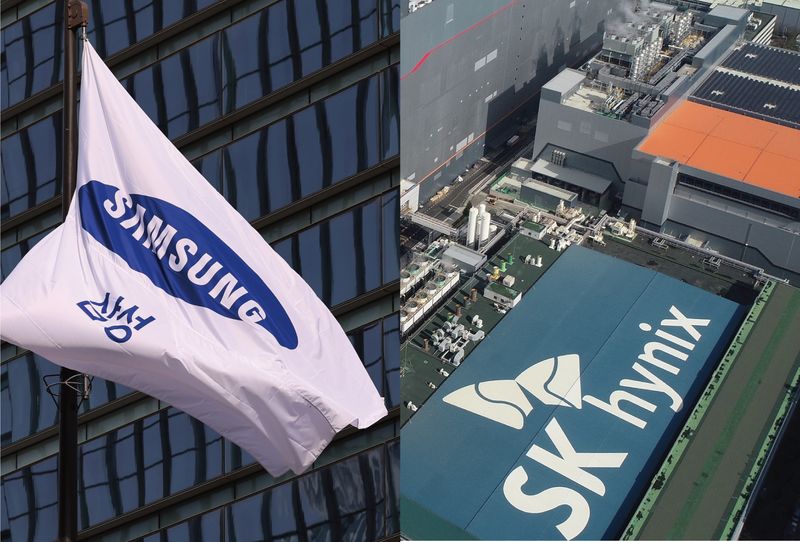
[Financial News] Samsung Electronics Co., Ltd. at ₩183,100, SK hynix at ₩1,113,000. On the 20th, the two semiconductor giants propping up South Korea’s stock market fell in unison.
Samsung Electronics Co., Ltd. plunged 7.01% in a single day, while SK hynix fell 5.92%. The declines came as U.S.-originating fears of an artificial intelligence (AI) bubble and a global sell-off in semiconductor stocks swept across South Korea’s stock market.
Then a number hit the market, sending an even colder shiver down the spines of investors already badly bruised: “₩70,000 for Samsung Electronics Co., Ltd., ₩200,000 for SK hynix.” To reach those prices, Samsung Electronics Co., Ltd. would have to fall another 61.8% from its current share price, and SK hynix a staggering 82.0%. The figures have caused considerable concern because they are not mere speculation from online communities but fair-value estimates put forward by an analyst with hands-on experience in the semiconductor industry.
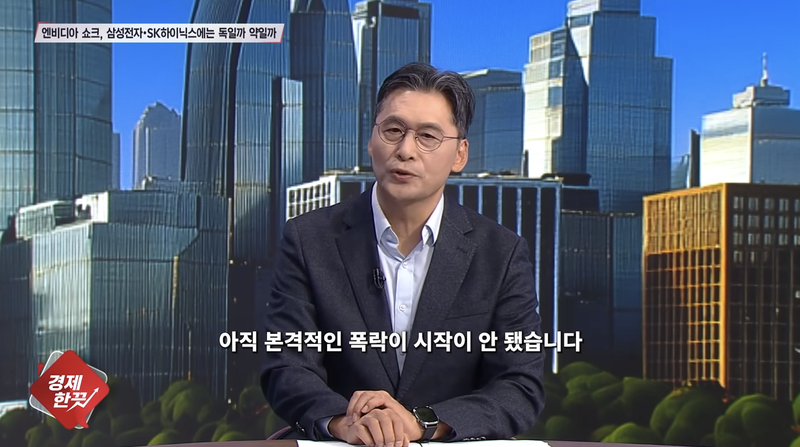
According to people in the financial investment industry on the 21st, Lee Ju-wan, an industry analyst and former SK hynix researcher, recently appeared on the YouTube channel ‘Jisik Hankkeut’ and stood by his longstanding conservative fair-value estimates of ₩70,000 for Samsung Electronics Co., Ltd. and ₩200,000 for SK hynix. In a video released on the 18th, he warned, “If memory-chip prices begin to fall, share prices could start to collapse in earnest.”
The key trigger he identified is “memory prices.” His assessment is that semiconductor companies’ strong earnings today reflect abnormal profitability driven not by increased production but by a price surge caused by supply constraints. He raised the possibility that the third quarter of this year marked the peak in profitability, and evoked fears from past downturns, when memory prices turning lower at the end of the year or early next year could lead to drops of as much as 50% within a year and 90% within two years.
If his fair-value estimates become reality, the shock would be unimaginable. Based on the closing prices on the 20th, an investor who put ₩100 million into Samsung Electronics Co., Ltd. would see the value of the investment shrink to ₩38.2 million (a loss of ₩61.8 million), while an investor who put the same amount into SK hynix would be left with just ₩18 million (a loss of ₩82 million). Of course, this is only an extreme hypothetical calculation, not the market’s prevailing consensus.
In fact, the views of major brokerages at home and abroad are the opposite. Morgan Stanley recently lowered its target prices but still set them at ₩309,000 for Samsung Electronics Co., Ltd. and ₩1.6 million for SK hynix. Kiwoom Securities is also maintaining targets of ₩290,000 and ₩1.8 million, respectively. The result is an unusual situation in which analysts value the same company at ₩70,000 on one side and ₩300,000 on the other.
This stark divide stems from differing views of the nature of the memory boom. Pessimists see it as a temporary illusion created by supply shortages, while optimists consider AI data centers and high-bandwidth memory (HBM) structural growth drivers that go beyond the simple cycles of the past. In the end, both sides see future supply growth as a key variable, but they have very different estimates of when prices will fall and how far they will drop.
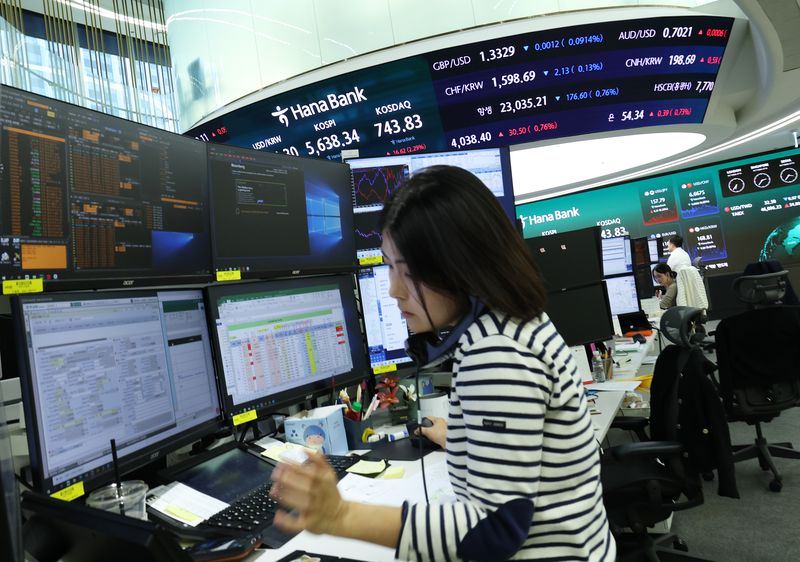
The number investors caught in the turmoil should examine before looking at the share prices on the board is the “actual selling price of memory.”
Semiconductors are a capital-intensive industry with a high proportion of fixed costs. Even when product prices fall, companies cannot reduce factory operating and equipment-maintenance costs in the short term, so operating profits plunge much more steeply than revenue. The real test will be whether long-term contract prices for commodity DRAM and NAND actually turn down, whether HBM demand holds firm, and whether brokerages begin cutting their operating-profit forecasts.
As the weekend begins, retail investors are focused on the market opening on Monday the 23rd. After South Korea’s market closed on the 20th, technology stocks including Nvidia plunged further on the U.S. stock market in New York, making a shock at the start of Monday’s session seem unavoidable.
Two extreme scenarios now coexist in the market: Samsung Electronics Co., Ltd. at ₩70,000 or ₩300,000, and SK hynix at ₩200,000 or ₩1.8 million. What will decide between these outcomes is neither market fear nor vague hope. It is the memory prices to be reported in the future and the profits companies actually earn. The time is approaching when the numbers will show whether the chilling crash warning becomes reality or proves to be excessive pessimism.
[email protected] Jeon Sang-il Reporter