South Korea Reclaims the World's No. 1 Spot in UN E-Government Survey After 12 Years
- Input
- 2026-11-20 15:35:32
- Updated
- 2026-11-20 15:35:32
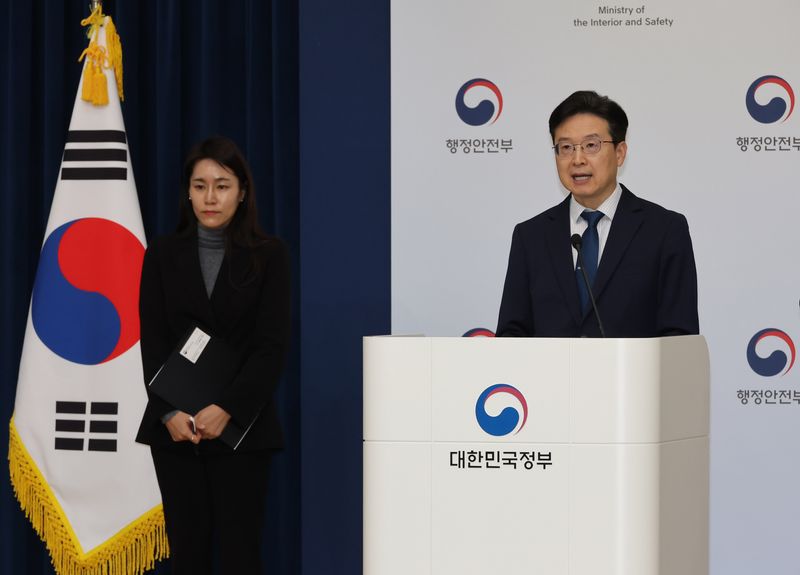
[Financial News] South Korea has reclaimed the world's No. 1 spot in the United Nations (UN) E-Government Survey for the first time in 12 years. It maintained its fourth-place ranking worldwide in online services, while its rankings in telecommunications infrastructure and human capital rose by one and six places, respectively.
The government plans to expand 24-hour civil complaint consultations and tailored administrative services using artificial intelligence (AI).
The Ministry of the Interior and Safety said on the 20th that South Korea ranked first overall among 194 countries in the '2026 E-Government Survey' conducted by the UN. It was the first time South Korea had reached the top since 2014. After falling to second in 2020, third in 2022 and fourth in 2024, South Korea climbed three places this time. It overtook Denmark, which had ranked first four times in a row.
Every two years, the UN assesses the level of e-government in each country by evaluating three areas: online services, telecommunications infrastructure and human capital. In this survey, South Korea ranked fourth in online services, fifth in telecommunications infrastructure and 11th in human capital.
This survey placed greater emphasis on items examining the foundations needed to provide digital public services and the conditions that enable people to use them.
This year, the UN introduced a new 'e-government infrastructure' indicator in its Telecommunications Infrastructure Index. In addition to existing measures of the telecommunications environment, such as internet usage rates, the indicator assesses digital identity authentication and the level of information sharing between government agencies. Since 2024, the Human Capital Index has included an 'e-government literacy' indicator, which assesses the extent to which people are supported in using digital public services.
Hwang Gyu-cheol, head of MOIS's AI Government Office, explained, "Reclaiming the top overall spot is the result of balanced development across the three key areas of online services, telecommunications infrastructure and human capital."
MOIS said that digital administration foundations—including integrated administrative services centered on Government24, mobile IDs and Public MyData—received high marks.
Information sharing between agencies through Public MyData was also reflected in the assessment. It reduces the burden of submitting documents by allowing information that people have already submitted to one government agency to be used by another agency when handling their requests.
MOIS said that improvements such as adjustable font sizes and better web accessibility, which help older adults and people with disabilities use online public services, also contributed positively to the human capital assessment.
Based on the survey results, MOIS decided to expand administrative services that use AI.
MOIS will pursue an AI-powered integrated civil service so people can handle their requests without having to visit multiple government agencies, and will also work to provide 24-hour AI consultations and build the 'AI National Secretary.'
Hwang said, "This No. 1 ranking worldwide is both an achievement showing that our e-government has gained international recognition and a new starting point for making public services better in ways people can experience."
[email protected] Lee Bomi Reporter