"Is This Why It Cost More to Have the Car Repaired Through Insurance?" ... Scope of Car Repairs Expanded at Will
- Input
- 2026-11-22 12:00:00
- Updated
- 2026-11-22 14:59:24
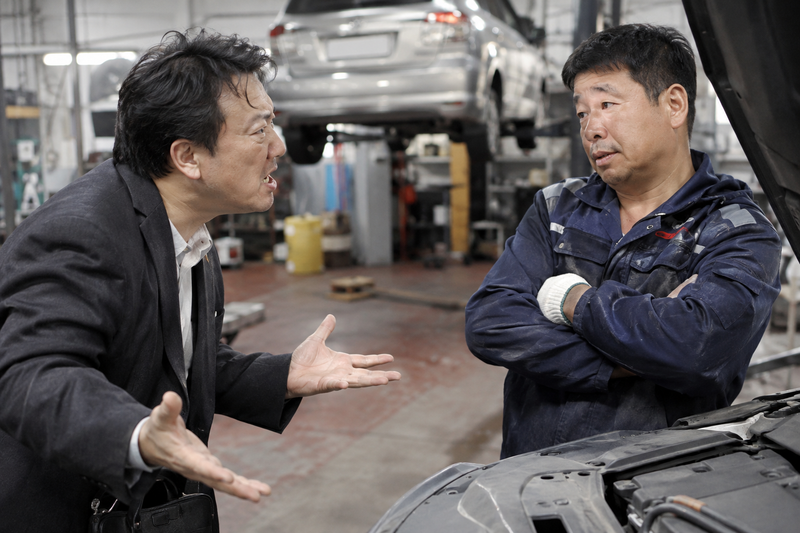
[Financial News] An analysis has found that insurance payouts could rise when the scope of vehicle repairs is unnecessarily expanded under auto insurance. According to an analysis by the Korea Insurance Research Institute, insurance-covered repairs cost an average of 14% more than out-of-pocket repairs, with the gap reaching 22% for minor exterior damage to parts such as bumpers and fenders. The greater number of areas repaired during insurance-covered repairs was cited as the main reason for the cost difference.
Jeon Yong-sik, a senior research fellow at the Korea Insurance Research Institute, released a report on the 22nd titled “Analysis of Auto Insurance Repair Costs and Repair Histories and Their Implications.”
Jeon analyzed 3,189 vehicle repair records from South Korean auto repair shops. The average cost per insurance-covered repair was 919,000 won, 14% higher than the 803,000 won average for repairs not covered by insurance.
In minor accidents involving damage only to exterior parts such as bumpers and fenders, insurance-covered repairs cost 677,000 won, 22% more than the 555,000 won for repairs not covered by insurance. The difference in labor costs reached 38%.
The greater number of areas repaired on vehicles covered by insurance was identified as a major cause of the cost gap. After accounting for the number of areas repaired, the difference in repair costs between insurance-covered and other repairs was not statistically significant.
Jeon said, “The cost gap between insurance-covered and other repairs appears to stem mainly from the difference in the number of areas repaired,” adding, “There is a need to improve the effectiveness of repair standards for minor damage and strengthen claims assessments of repair scopes.”
The analysis also examined whether repeat repairs were related to insurance fraud, but found no clear pattern suggesting fraud. Of the 557 cases in which the same vehicle received body repairs twice within a year, the second repair was covered by insurance in 105 cases. In 77 of those cases, an area repaired previously was included again. However, given that parts such as bumpers are frequently damaged, it is difficult to determine that a claim is fraudulent based on repeat repairs alone.
Jeon stressed, “Repair history data alone have limitations when it comes to confirming the vehicle’s condition before an accident, what actually happened in an accident, or whether the same repair shop filed repeated claims,” adding, “A system needs to be established to enable repair history data to be analyzed alongside insurance companies’ compensation records.”
[email protected] Hong Yeji Reporter