“Supporting Your Children Without Preparing for Retirement? A Way for Both to Die” ... 3 Retirement Planning Principles Identified by an Expert
- Input
- 2026-11-20 11:02:24
- Updated
- 2026-11-20 11:02:24
[Financial News] It is not uncommon to see people who have worked diligently all their lives, bought a home and raised children complain that they are short of money as retirement approaches. This is attributed to a failure to distinguish among the “cost, ownership and purpose” of money, and the advice is that parents should support their children only after preparing for their own retirement.
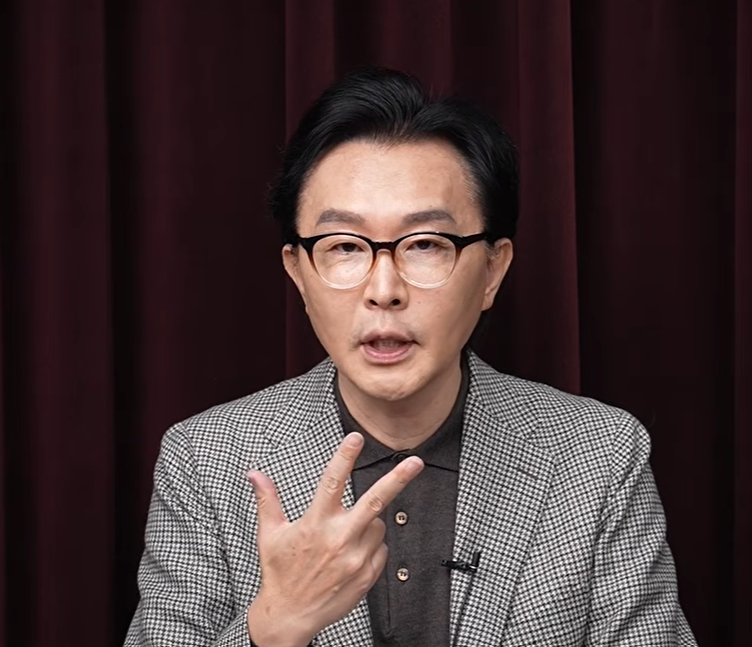
Kim Kyung-pil, CEO of Money Training Lab, appeared on the YouTube channel Sinsaimdang on the 19th and pointed out that the most important thing in preparing for retirement is to first set aside money for one’s own future. Citing longer life expectancy as a key reason retirement has become more difficult, he stressed, “Trying to help your children when you haven’t even prepared for your own retirement is a way for both to die.”
“Just because I earned it doesn’t mean it’s all mine” ... costs, ownership and purpose must be distinguished
Kim’s first recommendation for preparing for retirement was to distinguish expenses. For example, the self-employed and business owners should not confuse sales with actual income. Hearing that monthly sales are 10 million won, 20 million won or 50 million won may make it easy to think someone is earning a lot, but you can tell how much money is actually left only after deducting expenses from sales.
“Countless celebrities, too, fail to distinguish taxes from their own income, then realize every year when it’s time to pay comprehensive income tax, ‘This wasn’t my money after all,’” he said, explaining that employees also need to account separately for expenses that are unavoidable in working life, such as taxes.
The second principle is to distinguish ownership. Kim stressed, “You shouldn’t assume that money you earned belongs to you just because you earned it,” adding that what people earn now includes a share for their future selves. He also advised dual-income couples to combine their finances and manage them as one economic unit rather than handle them separately.
The third principle is to distinguish money by purpose. Kim said people should manage their money in separate amounts to save, spend and invest. The money set aside to invest is for use after income stops, he explained, so it can be invested over a long period even if the amount is not large. He cited the National Pension Service (NPS) and retirement pensions as examples of systems funded with small contributions over many years.
“Parents should put on their oxygen masks before their children”
Kim stressed that parents must prioritize their retirement preparations over supporting their children. He compared it to an emergency on an airplane, when parents should put on their oxygen masks first and then help their children. “I’m not saying you shouldn’t help; I’m saying you must make sure to keep the priorities straight,” he said.
In response to a question about how difficult it is to refuse when children ask for wedding or housing money, saying, “Other families provide this much,” he advised parents not to cut off support overnight, but to explain the situation in advance, starting when their children are teenagers. They should set and share clear principles about how long they will provide support, in what way and to what extent.
He also cited the fact that parents’ retirement preparedness is considered one of the “five key qualifications” in the marriage market. If parents’ retirement plans are on shaky ground, their children may have difficulty being viewed as good marriage prospects.
“Owning a home doesn’t mean you’re ready for retirement” ... cash flow is key
Kim said retirement preparedness should be assessed by cash flow and liquidity, not by home prices. No matter how valuable a home is, if its owner has no cash to pay maintenance fees and living expenses, they are no different from a “house-poor” person, he noted.
The options he suggested were downsizing by selling the home or moving somewhere more affordable, and using the Korean Home Pension (reverse mortgage). Those who do not want to sell their home could rent it out, move to a somewhat less desirable area and use the difference to generate monthly rental income. He also urged people not to regard leaving the neighborhood where they have lived as a “failure in life.”
He said people should assume that living expenses will not decrease after retirement. Even after their children move out, leisure activities that used to be limited to weekends can fill all seven days of the week. He therefore recommended continuing to engage in economic activity after retirement, even if it is just an odd job.
Kim explained, “If you work only Monday, Tuesday and Wednesday and earn 1.5 million won, you also avoid spending the 1.5 million won you would have spent sitting around at home, so the effect is like earning 3 million won.” He also stressed that this can help ease the three major problems of later life—money, health and loneliness—at the same time.
He put the time to start preparing at the late 40s to 50s. Vocational training and preparation for certifications using programs such as the National Tomorrow Learning Card should begin while people are still employed, not after they retire. He also advised people in their 50s to first calculate the living expenses they will need after retirement based on their current expenses, then estimate one by one the cash they will receive from NPS benefits, retirement pensions, rent, dividends, interest and personal pensions.
[email protected] Kim Hee-sun Reporter