336.2 Billion-Won Sammaebong Valley Project Faces Completion Review 16 Years After Construction Began
- Input
- 2026-11-20 10:13:53
- Updated
- 2026-11-20 10:13:53
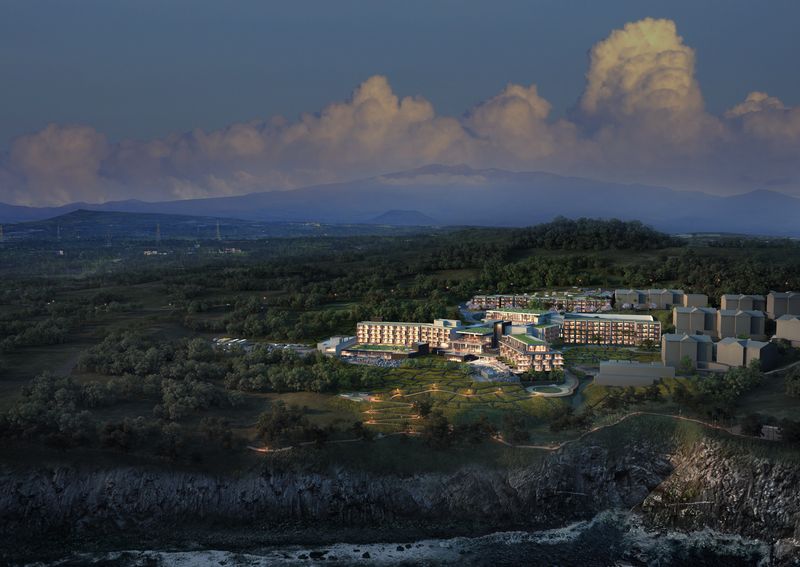
【Financial News, Jeju — Reporter Jeong Yong-bok】 The Sammaebong Valley resort development project in Seogwipo, Jeju, backed by 336.2 billion won in private capital, has entered an administrative review for completion of the entire district, 16 years after construction began.
According to Jeju Special Self-Governing Province on the 20th, consultations with relevant departments and checks on implementation of the project plan are underway to assess whether the Sammaebong Valley resort development project in Hogeun-dong, Seogwipo, is ready for completion.
The project, led by Sammaebong Development Co., Ltd., is a private development project to build tourism and recreational facilities on a 110,241-square-meter site around lot 2163 in Hogeun-dong.
Development approval was granted in November 2008, and construction began in November 2010. The project has now reached the stage of determining whether the entire development district is complete, 18 years after the initial approval and 16 years after construction began.
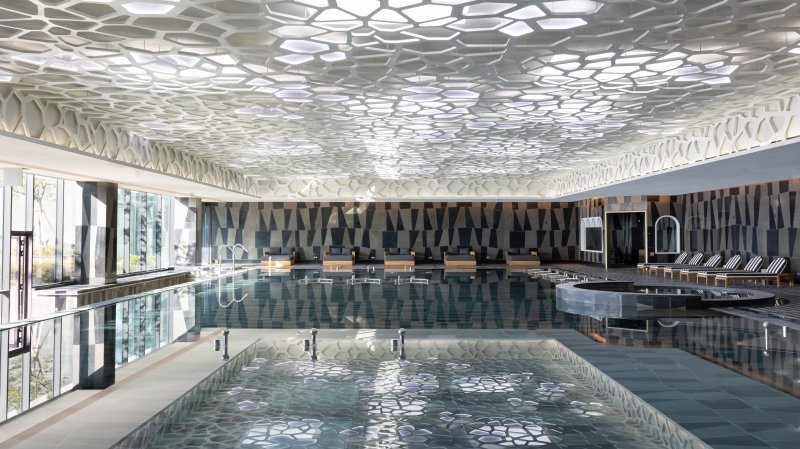
The project district now has 242 lodging units, including an 89-room tourist hotel, a 78-unit recreational condominium and 75 residential lodging units, as well as hot spring facilities. Major lodging and hot spring facilities are operating after receiving individual occupancy approvals and business registrations. However, operating permits for individual facilities and completion of the entire development district are separate matters.
Jeju plans to check whether roads, parking lots and green spaces, as well as lodging and hot spring facilities, have been built in accordance with the approved plans. The review will also cover disaster prevention facilities, implementation of traffic and environmental measures, and related permits and approvals.
Implementation of the terms agreed upon during the environmental impact assessment consultation is particularly important. The project has previously been criticized in an audit over procedures related to that consultation.
In a 2015 investigation, the Jeju Audit Committee pointed out that Seogwipo City had approved a 2013 project plan to increase the height of a recreational condominium from three floors and 11.1 meters to four floors and 14.5 meters without completing the consultation procedures related to the environmental impact assessment. The committee at the time called on the relevant Seogwipo City departments to exercise caution and devise measures to protect the landscape.
The project’s contributions to the local economy were also presented during the completion review. According to the completion report submitted by the project operator, local companies carried out 175.5 billion won worth of construction work, or 52.2% of the total construction cost. Of the 243 people employed in total, 195 were Jeju residents, accounting for 80.2%.
Oreve Hot Spring & Spa, a health-promoting hot spring at Sammaebong Valley Spa within the project district, was designated Jeju’s first health-promoting hot spring in 2024.
This year, JW Marriott Jeju Resort & Spa was selected for the Ministry of Culture, Sports and Tourism and Korea Tourism Organization’s list of 20 specialized wellness tourism destinations for attracting international visitors. Wellness tourism is a sector of tourism focused on rest, health care and healing.
Separately from the administrative review, Jeju plans to visit the project site to check the facilities’ operating conditions and hear from workers. The visit follows a call made last September at a standing policy consultation between Jeju and the Jeju Special Self-Governing Provincial Council for the views of workers and residents at tourism development sites to be heard directly.
Given the scale and long duration of the tourism development project, the key to the final inspection will be not only whether construction of the facilities has been completed, but also how fully the project has delivered on investment and employment commitments to the local community and met its obligations regarding public safety and the environment.
[email protected] Jeong Yong-bok Reporter