"Dementia Genetic Testing With Just an Oral Swab, No Blood Draw"... Shihwa Medical Center Research Team Including Department Chief Park Jin-seok Proves 100% Accuracy
- Input
- 2026-11-20 09:26:23
- Updated
- 2026-11-20 09:26:23
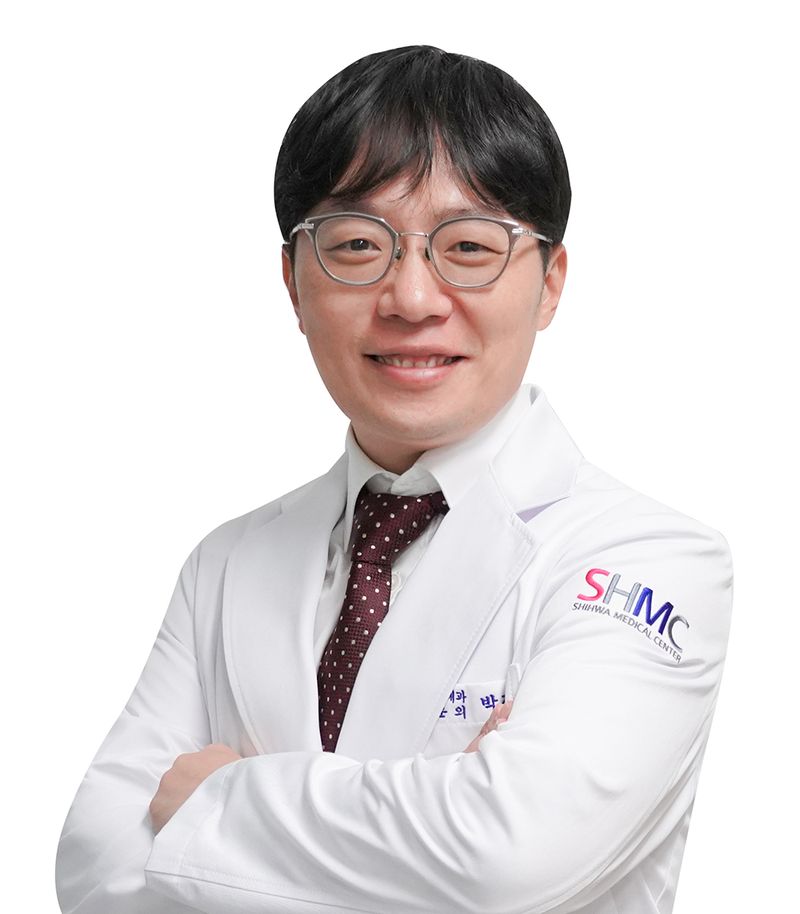
Shihwa Medical Center announced on the 20th that a joint research team including Park Jin-seok, chief of its Gastroenterology Department, had demonstrated the clinical validity of a next-generation diagnostic platform that rapidly and accurately identifies the apolipoprotein E (APOE) genotype, a major genetic risk factor for Alzheimer's disease, using a single tube.
The findings were officially published in the latest 2026 issue of the Journal of Alzheimer's Disease Reports, an international journal covering dementia and neurodegenerative diseases.
Until now, conventional APOE genotyping in clinical settings has required the use of multiple reaction tubes or a separate additional analysis process, imposing a considerable burden in terms of testing time and cost.
To overcome these technical limitations, the research team adopted a one-pot real-time polymerase chain reaction (PCR) technology combining a CataCleave probe and ribonuclease (RNase H2).
Using this approach, the team successfully distinguished six APOE genotypes simultaneously and precisely in a single reaction, achieving 100% concordance—and thus high diagnostic accuracy—even when compared with widely used commercial diagnostic kits.
In particular, Shihwa Medical Center took the lead in validating real clinical specimens from a total of 50 participants, following rigorous approval by the hospital's Institutional Review Board (IRB).
The team collected blood and oral epithelial cell specimens from each of the 50 participants and compared and analyzed them. For both specimen types, the results were 100% consistent with those of the existing standard test.
The findings clinically demonstrate that accurate genetic risk testing for dementia will be possible using only a simple oral swab, without the inconvenient and painful process of drawing blood.
Park Jin-seok, chief of the Gastroenterology Department at Shihwa Medical Center, said, "With the voluntary participation of 50 people in the clinical study and the hospital's systematic research support system, we clearly confirmed the real-world effectiveness of this new next-generation diagnostic method." He added, "I will devote myself even more to follow-up clinical research so that local residents can access high-quality medical services for dementia prevention and early management without financial or physical burden."
Meanwhile, Shihwa Medical Center continues to conduct a range of clinical studies as a regional hub general hospital, supporting the healthy lives of local residents and the early prevention of serious diseases.
[email protected] Jang Choong-sik Reporter