"I Thought I'd Feel Relieved Once the CSAT Was Over" ... Why Am I More Depressed? [Health Talk]
- Input
- 2026-11-20 08:56:33
- Updated
- 2026-11-20 08:56:33
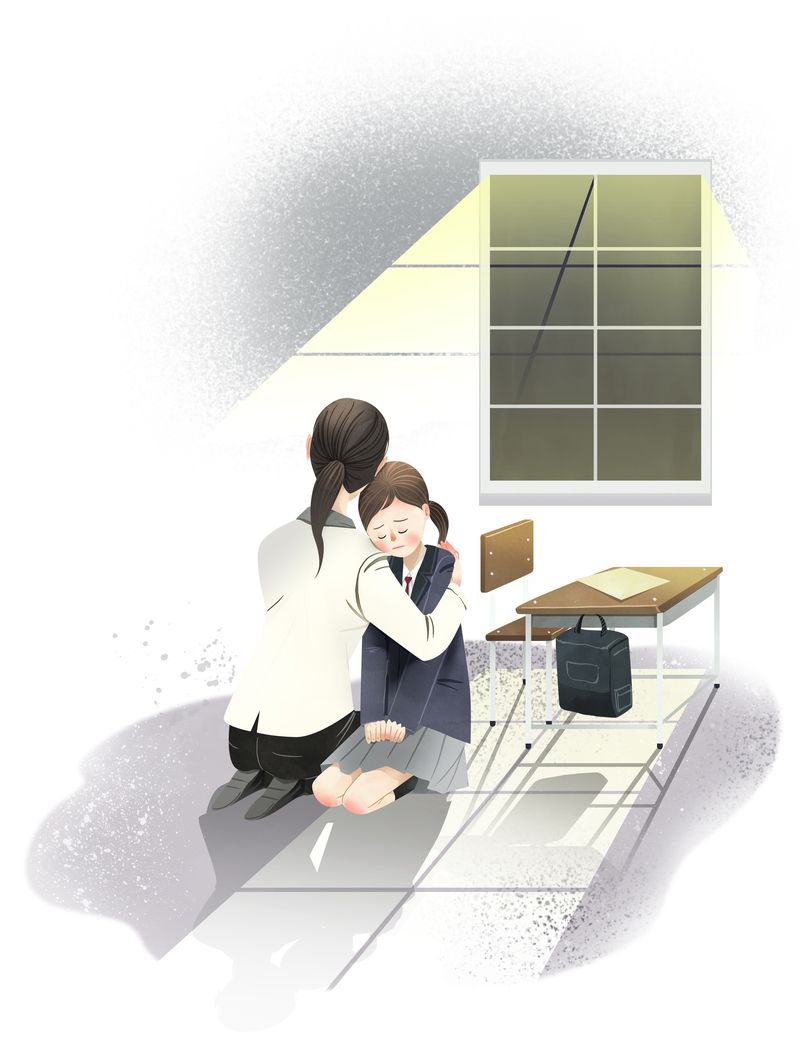
[Financial News] A void was left where the goal had been. This year's College Scholastic Ability Test (CSAT) has ended, but the relief is fleeting, and many test-takers are reporting feelings of emptiness and listlessness. Experts advise against dismissing post-exam feelings of depression and recommend allowing enough time to rest and recover.
Professor Kim Seon-young of the Department of Psychiatry at Ewha Womans University Seoul Hospital explained, "Feelings of depression experienced after the CSAT may emerge when fatigue and emotional exhaustion accumulated through prolonged tension and stress surface after the exam ends. It can worsen because of the psychological emptiness people feel when an important goal—the CSAT—disappears." She added, "Worries about exam results, expectations from people around them, or comparisons with others can lead them to judge themselves negatively or feel helpless."
As Goals Disappear, Anxiety Grows
For about a decade, test-takers have worked toward a single goal, making their studies and grades the focus of their lives. But when the CSAT ends, the structured study schedule and goal-oriented routine can suddenly disappear, leaving them feeling empty. Disappointment with exam results, uncertainty over whether they will get into college, and comparisons of grades with those around them can compound this, further increasing feelings of depression and anxiety.
One reason for growing concern about adolescent mental health is the actual rise in the number of young people with depression. According to data submitted to the National Assembly by the National Health Insurance Service, the number of teenagers treated for depression rose 83.5%, from 39,817 in 2020 to 73,070 in 2024.
Rest, but Maintain Your Daily Routine
How, then, should people cope with feelings of depression that arise after the CSAT?
Professor Kim said, "Rather than feeling pressured to set a new goal or achieve something right after the exam, it is important to get plenty of rest and recover from accumulated physical and emotional fatigue. However, an excessively irregular routine can actually worsen feelings of depression, so it helps to keep regular sleep and wake times and continue everyday activities such as light exercise or meeting friends." She added, "Rather than dwelling excessively on regrets about exam results or comparing yourself with others, it is better to view your efforts and the process positively and calmly explore your future path."
The role of family members, who are closest to test-takers, is also important. Rather than repeatedly asking about their grades or whether they got into college, or comparing them with others, family members should recognize their efforts and hard work and encourage them to make plans for the future at their own pace.
Professor Kim emphasized, "Because each test-taker may experience different emotions after the exam and need a different amount of time to recover, people around them should not rush or judge them, but should offer emotional support so they can recover fully." She added, "If feelings of depression persist for two weeks or more, or make daily life difficult, I recommend seeking help from a psychiatrist rather than trying to endure it alone."
[email protected] Jung Myung-jin, Medical Specialist Reporter