“North Korea-U.S. Talks Fall Through” ... Kim Jong Un Ultimately Spurns ‘Trump’s Overtures’
- Input
- 2026-11-19 20:13:38
- Updated
- 2026-11-19 20:13:38
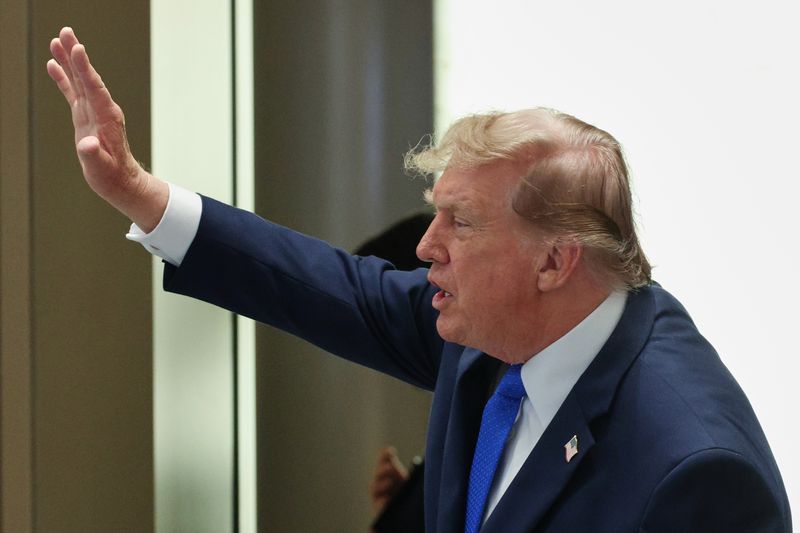
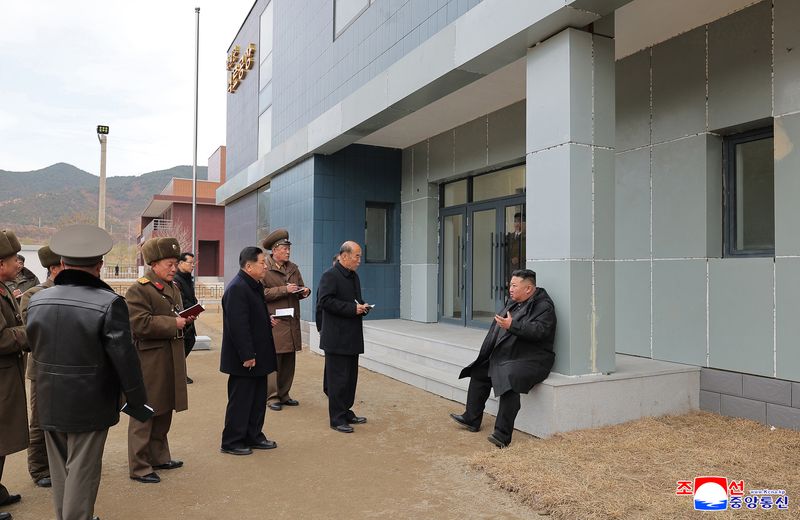
Rather than visiting China to meet Trump, Kim stayed out of public view around Mount Paektu, the city of Hamhung, and the eastern coast of South Hamgyong Province, continuing to show little interest in North Korea-U.S. dialogue. In effect, Kim went into hiding without a word in response to Trump’s offer of talks.
Even so, the Ministry of Unification could not give up hope for North Korea-U.S. talks until the very end, saying, “We have to wait and see until President Trump returns home.” Chung Dong-young, the minister of unification, reportedly made remarks to the effect that day, before appearing before the National Assembly’s Foreign Affairs and Unification Committee, that North Korea-U.S. talks could take place somewhere other than Shenzhen, China.
It had been speculated that for Kim to reach Shenzhen, China, where the APEC summit was being held, he might fly from Pyongyang aboard his personal aircraft, Chammae 1, or travel to a major Chinese city such as Beijing and then take a Chinese commercial flight to Shenzhen. But no such movement was detected at any point. Finally, even the possibility that Trump might travel to North Korea himself to meet Kim was raised, but it did not materialize.
The U.S. even took the extraordinary step that day of abstaining from the UN resolution on North Korean human rights for the first time in 21 years, but North Korea did not reciprocate. There were even assessments that Trump was trying to appease North Korea to make talks with Kim happen. The resolution on North Korean human rights has been adopted annually by the UN General Assembly since 2005, and this was the first time the U.S. abstained. South Korea, Japan, the U.K., France, and Canada voted in favor, while China, Russia, Iran, and Cuba voted against.
[email protected] Kim Kyung-soo Reporter