Lotte Insurance Pursues '10-to-1' Capital Reduction Without Compensation, Aiming to Replenish 460 Billion Won in Basic Capital
- Input
- 2026-11-19 16:58:45
- Updated
- 2026-11-19 16:58:45
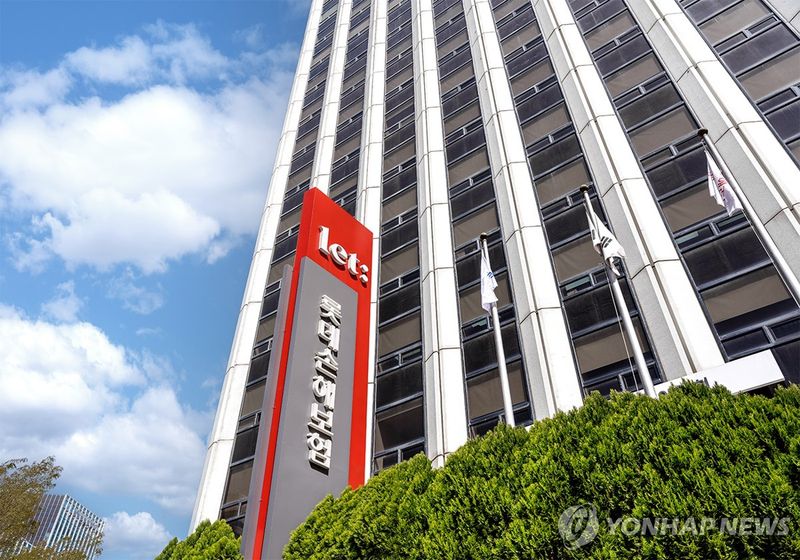
Lotte Insurance disclosed that its board had passed a resolution on the 19th to pursue a capital reduction without compensation through a '10-to-1 par value reduction.' The shareholders' meeting is scheduled for December 31. The capital reduction will reduce only the par value, leaving the number of shares issued and total equity unchanged. Individual shareholders' share counts and ownership percentages will also remain unchanged, and trading will resume after the reduction is completed at the closing price on the day before trading was suspended.
The move is intended to prepare for regulations on the basic-capital K-ICS ratio that take effect next year. Available capital is divided into 'basic capital,' which has high loss-absorbing capacity, and 'supplementary capital,' which has limited capacity; the plan is to assess basic capital separately. Financial authorities intend to impose prompt corrective action if the basic-capital ratio falls below 50% of required capital.
Basic capital is a key indicator of an insurer's loss-absorbing capacity. Generally, if an insurer lacks sufficient capacity to build retained earnings and a surrender refund reserve, the amount recognized under supervisory standards is reduced. Lotte Insurance plans to increase the amount of basic capital recognized after this capital reduction and subsequent adjustments to its reserves.
Specifically, the company will transfer the 'capital reduction surplus' generated by the capital reduction to retained earnings, thereby securing accounting resources. For example, suppose there are 100 shares with a par value of 2,500 won each (capital of 250,000 won). If the capital is reduced at a 10-to-1 ratio, the par value and capital would become 250 won and 25,000 won, respectively. This means the difference of 225,000 won can be transferred to surplus.
Lotte Insurance estimates that building a surrender refund reserve with the surplus raised this way could offset about 460 billion won of its current basic-capital deficit. The surrender refund reserve is a reserve accumulated within retained earnings to protect policyholders.
Shinhan Financial Group Co., Ltd. signed a share purchase agreement (SPA) last month with JKL Partners, the private equity fund (PEF) manager that is Lotte Insurance's largest shareholder. The financial sector expects that, after the capital reduction, the Financial Services Commission will decide in the first quarter of next year whether to grant the approvals and licenses related to the acquisition, followed by payment of the purchase price and closing of the share sale. Lotte Insurance is expected to be delisted and become a wholly owned subsidiary of Shinhan Financial Group Co., Ltd. in the first half of next year.
A financial industry source said, "A capital reduction without compensation does not affect the number of shares or ownership percentages, and it can improve basic capital by restructuring capital accounts while maintaining total equity. Once a basis for building reserves using the capital reduction surplus is in place, capital soundness and the ability to respond to regulations will improve further."
[email protected] Kim Tae-il Reporter