“Not Just a Place to Play Games”... AI Transforms the G-STAR Scene [G-STAR 2026]
- Input
- 2026-11-19 16:27:08
- Updated
- 2026-11-19 16:27:08
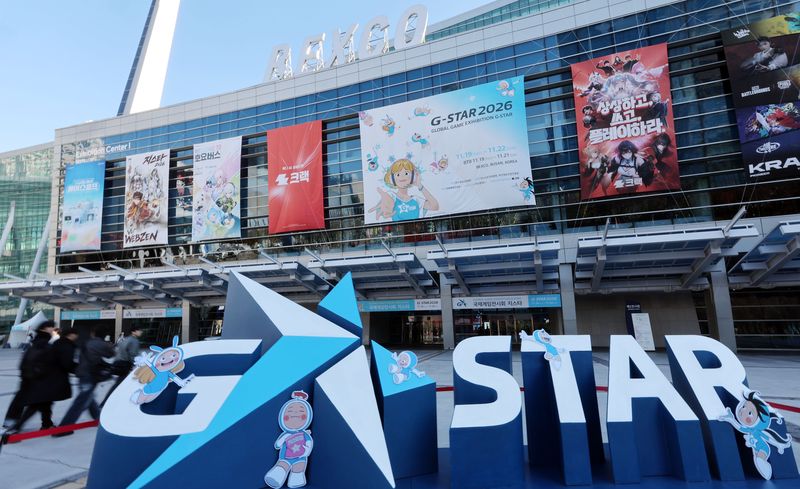
■AI and games come together... “A new world of creativity”This year, G-STAR drew 1,237 companies from 41 countries, with a total of 3,445 booths. With major South Korean game companies such as Nexon, NC and Netmarble absent, participation from industries related to gaming—including AI, mobility and webtoons—stood out.
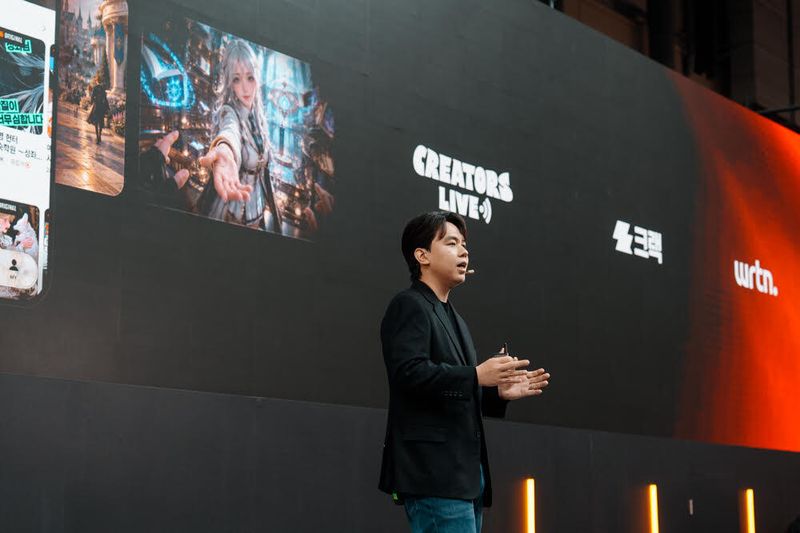
Wrtn set up a 200-booth exhibition under the theme “A new world of creativity opened by AI and Crack.” Crack is a service where creators set a character’s personality, world and story rules, and users build a story by talking with AI characters. “One of the most important aspects of AI is that it can interact with people easily and conveniently,” said Seyoung Lee, CEO of Wrtn. “Games, too, are distinguished from other entertainment genres by the interactivity that lets users play them themselves.”
Wrtn held “Crack Creators Live” that day, presenting the potential for a new creator economy enabled by AI. “In a world where AI is eliminating jobs, creating new jobs and an ecosystem is a core value,” stressed Lee Dong-jae, Wrtn’s chief product officer (CPO). More than 5,500 creators have received earnings settlements through Crack. Dozens of creators earn at least 10 million won a month, and some creators would earn at least 700 million won a year if their settlement for last month were annualized, the company said. “Traditional games are developed by hundreds of people over several years, but on Crack, an individual can create a world in about two weeks to a month,” the CPO said.
Webzen Inc. set up a 100-booth space in Exhibition Hall 1 under the theme “Visit Webzen.” Featuring the webtoon-based strategy game “I Became the Tyrant of a Defense Game: Last Stage,” it created an exhibition space recreating an in-game siege and a demo zone.
At a G-STAR talk, Pearl Abyss revealed how it created the Pywel Continent, the approximately 200-square-kilometer open world in “Crimson Desert.” Ahn Geun-tae, Pearl Abyss’s art level director, and Yoon Jin-ho, its game engine graphics director, explained that they built the vast game world using the in-house-developed “BlackSpace Engine” and procedural generation technology.
The boundaries between gaming and other industries also blurred. Hyundai Motor presented an experience combining cars and games through the “Hyundai N Virtual Cup,” an esports competition based on racing simulations. The exhibition also expanded to include, for the first time, a global game showcase featuring major game companies from overseas.
Culture, Sports and Tourism Minister Choi Hwi-young, who visited the event that day, said he would discuss ways to address the low participation of major South Korean game companies with the industry. “It seems unfortunate that some major game companies have been unable to participate,” Choi said. “Together with the gaming industry, I’ll gather ideas to help G-STAR develop into a major game show that draws attention from around the world.”
[email protected] Jang Min-kwon Reporter