AI Exam Cheating: “No Leniency, Full Trial”... Will Tougher Punishment Work?
- Input
- 2026-11-19 15:35:39
- Updated
- 2026-11-19 15:35:39
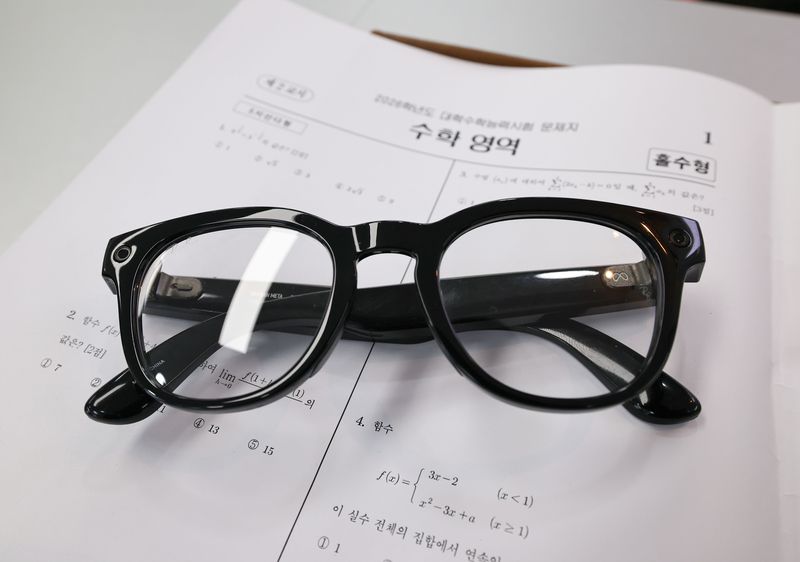
According to legal sources on the 19th, the Prosecution Office instructed its offices nationwide on the 17th to handle exam cheating involving smart devices strictly. Anyone who attempts to cheat using generative AI, smart glasses, miniature cameras or earphones is, in principle, to be sent to a full trial, regardless of whether the cheating is detected before the exam ends or whether it is a repeat offense. The office also decided to actively consider seeking arrest warrants and to seek prison sentences in organized cases.
The Prosecution Office expects the measure to highlight the seriousness of the crime and deter copycat offenses through general deterrence.
Depending on who administers the exam and the type of offense, exam cheating may be charged as a violation of the National Technical Qualifications Act, obstruction of official duties by deceptive means, or obstruction of business. The National Technical Qualifications Act prohibits intentionally obstructing or improperly influencing examinations for national technical qualifications. If someone uses deception to obstruct the administration of an exam run by a government agency, they may be charged with obstruction of official duties by deceptive means; obstructing the work of a private institution or another organization may lead to a charge of obstruction of business.
Previously, there were also many cases in which prosecutors sought fines through summary proceedings, depending on the seriousness of the offense. For example, according to statistics in the 2020–2024 Prosecution Service yearbooks, 599 of the 638 people indicted for violating the National Technical Qualifications Act (93.9%) received summary indictments. The statistics also include offenses other than exam cheating. A prosecutor working in the field said, “In the past, circumstances such as cheating being detected but remaining an attempt, or the person having faced administrative measures, may have been taken into account when deciding how to proceed.” The prosecutor added, “If someone prepared the equipment in advance and even rehearsed, there is room to view the planning and the nature of the offense more seriously.”
There are also limits in the law. Because there are no separate provisions punishing attempts to obstruct official duties by deceptive means or to obstruct business, it may become an issue whether conduct detected during an exam had gone far enough to produce the criminal result. The need for sentencing guidelines to prevent new types of crime from spreading has also been raised.
Attorney Im Dong-han of Dongin Law Group, a former presiding judge, said, “What matters is whether the conduct can be considered to have affected the outcome of the exam or obstructed a proctor’s work during the exam.” He added, “Given the social impact of exam cheating becoming more organized and sophisticated, the judiciary, too, is unlikely to take it lightly when sentencing.” A rank-and-file prosecutor in the Seoul metropolitan area said, “Previously, there were not many types of exam cheating involving AI, and sentencing standards were not fully systematized.” The prosecutor added, “Now that the social impact has become clear, sentencing recommendations and guidelines need to be systematized further.”
[email protected] Choi Eun-sol, Kim Dong-gyu Reporter