Why You Shouldn't Drive Yourself to the Hospital When You Have Chest Pain
- Input
- 2026-11-19 11:02:02
- Updated
- 2026-11-19 11:02:02
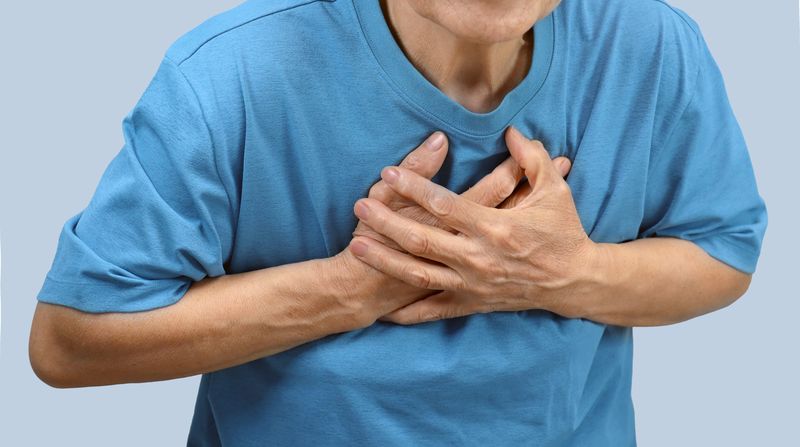
[Financial News] If you have shortness of breath and cold sweats along with chest pain, you should not get behind the wheel and drive to the hospital. It could be cardiogenic shock, in which the heart’s pumping function suddenly deteriorates. In that case, call 119 without delay.
Cold hands and feet or even clouded consciousness are signs that the heart is not pumping blood properly throughout the body. If treatment is delayed, major organs such as the brain and kidneys can be damaged, potentially leading to death. On the 19th, Bae Dae-hwan, chief of cardiology at Bucheon Sejong Hospital, stressed that “cardiogenic shock is an emergency in which the heart’s pumping function declines significantly, leaving organs throughout the body short of blood and oxygen.”
Heart attack and worsening heart failure are leading causes; watch for changes in the body rather than blood pressure
The heart acts as a pump, sending blood throughout the body. If the heart muscle is damaged or a serious problem develops with the heartbeat, preventing the pump from working properly, organs receive too little blood.
A typical cause is acute myocardial infarction. If a coronary artery supplying blood to the heart muscle suddenly becomes blocked, heart function can deteriorate rapidly. Other causes include worsening existing heart failure, myocarditis involving severe inflammation of the heart muscle, and serious arrhythmias.
Bae explained, “When too little blood reaches the organs, the hands and feet may become cold and clammy, urine output may decrease, and a person may become confused or lose consciousness.” Bae added, “Fluid may also build up in the lungs, making it difficult to breathe even while resting.” Bae continued, “Blood pressure readings are important, but rather than assuming everything is fine because blood pressure is normal, you should also watch for changes in the body, such as reduced consciousness, an increased respiratory rate, and decreased urine output. At the hospital, we quickly determine the cause and whether organs have been damaged using tests such as electrocardiograms, echocardiograms, and blood tests.”
Treatment for cardiogenic shock focuses on addressing the cause while ensuring a continued blood supply to major organs. If a heart attack is the cause, the blocked coronary artery must be opened quickly. A thin tube is inserted into the blood vessel, and a balloon is used to widen the blocked area. If needed, a mesh-like stent is inserted to restore blood flow. If the cause is a serious arrhythmia or valve damage, the appropriate treatment is also provided.
Bae said, “We use medications to raise blood pressure and help the heart beat more forcefully while monitoring the response to treatment.” Bae added, “If it is difficult to supply the organs with the blood they need using medications alone, we consider treatment that uses a machine to support circulation.” Bae continued, “A patient’s condition can change significantly even over a short period. It is important for relevant medical teams, including cardiology and cardiothoracic surgery, to assess the patient’s condition together and decide when to treat.”
ECMO provides time for recovery, with ventricular assist devices and heart transplantation as next steps
ECMO is a device that draws blood out of the body, adds oxygen, removes carbon dioxide, and then returns the blood to the body. Venoarterial ECMO, used for cardiogenic shock, takes blood from a vein and sends it into an artery, supporting both heart and lung function.
Bae explained, “ECMO is a machine that maintains circulation and oxygen supply until the heart recovers or the patient can receive further treatment.” Bae added, “We determine whether to use it by comprehensively assessing the underlying condition, the likelihood of recovery, and the state of other organs.”
During ECMO treatment, bleeding, blood clots, infection, or impaired circulation in the legs can occur, so close monitoring is necessary. Medical teams repeatedly check heart function and the condition of other organs to assess whether they can reduce the machine’s support. If heart function recovers sufficiently, ECMO is removed; if recovery is unlikely, further treatment, such as a ventricular assist device or heart transplant, is considered.
Bucheon Sejong Hospital treats severe heart conditions, including with ECMO, left ventricular assist devices, and heart transplantation, through collaboration among relevant medical teams, including cardiology and cardiothoracic surgery.
Bae said, “With cardiogenic shock, it is important to treat the cause quickly and protect the function of major organs until the heart recovers.” Bae added, “Even while a patient is receiving mechanical support, we must continue to assess the likelihood of recovery and move on to the next treatment the patient needs.” Bae urged people to “avoid smoking, exercise regularly, and consistently manage blood pressure, blood sugar, and cholesterol.”
[email protected] Jung Myung-jin, medical specialist Reporter