Masayoshi Son: “Not Investing in Anthropic Was a Mistake”; Focus on OpenAI
- Input
- 2026-11-19 10:27:37
- Updated
- 2026-11-19 10:27:37
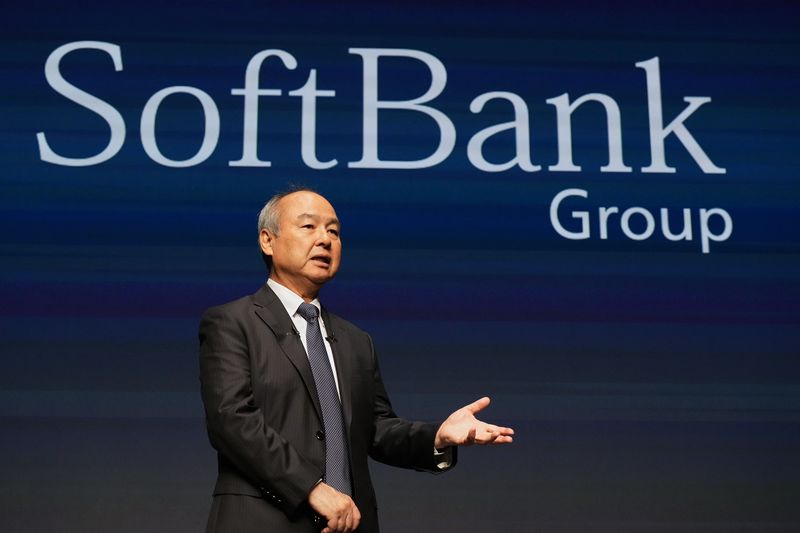
【Financial News, Tokyo—Correspondent Seo Hye-jin】SoftBank Group Corp. Chairman and President Masayoshi Son admitted that missing the opportunity to invest in Anthropic was a mistake. However, he said he would focus on OpenAI in the AI model business; OpenAI has already received a total of 10 trillion yen (about 83.5 trillion won) in investment. Rather than broadening its investment targets, the plan is to strengthen ties with a key partner and link AI with semiconductors and data centers to secure a leading position in the AI market.
The Nikkei reported on the 19th that Son had revealed the previous day at an event in Tokyo marking the newspaper's 150th anniversary that he had held back-channel talks with OpenAI rival Anthropic about investing in the company. “Not putting money in at the time was one of my failures,” he said.
Even so, he made clear that he intended to throw his weight behind OpenAI. “Betting on multiple horses is part of a group strategy, but sometimes you can’t become allies unless you back one side,” Son explained. His point was that while investing in multiple promising companies is also a valid strategy, focus is necessary to build a close partnership with a particular company.
OpenAI is the central pillar of the AI ecosystem SoftBank Group Corp. is seeking to build in the model sector. The group has identified four core areas: AI models; AI infrastructure, including data centers; AI chips, including semiconductors; and physical AI deployed in robots. Its goal is to become a platform provider in the AI era through a “group strategy” that connects the companies it has invested in across these fields.
“You can’t conquer the world by controlling just one component. I’ll invest in the entire ecosystem and conquer the world,” Son said, adding that in each of the four fields, “we’re beginning to see the possibility of becoming No. 1 in the world.”
He compared the strategy to the Japanese swordsman Miyamoto Musashi and the Sengoku-period warlord Oda Nobunaga. In a one-on-one fight, Musashi would undoubtedly win, but a single swordsman could never conquer the world alone. He explained that, like Nobunaga, who mobilized people and money, he would take on giant U.S. tech companies that deploy enormous sums through alliances among their portfolio companies.
In AI chips, Arm, its UK-based semiconductor design subsidiary, will play a key role. “Arm’s strength is its ecosystem,” Son said, describing plans to supply AI chips for data centers and a range of devices.
Son, who described the 2016 acquisition of Arm as “a move that looked 50 moves ahead,” said, “We’re still only around the tenth move now. Ten years from now, the acquisition will make much more sense.”
He said investment to build this kind of ecosystem would continue despite debate over an AI bubble. Commenting on the sharp swings in AI-related stocks, Son said, “Stock prices are temporarily surging and plunging, but right now is precisely the time for us to prepare for various things and invest.”
He cited his failure to keep investing during the dot-com bubble in the early 2000s as his greatest regret, saying, “There’s a little more leeway now.” He meant that he would focus more on the AI market’s long-term growth potential than on short-term stock-price movements.
Son also reaffirmed his goal of becoming the world’s largest platform provider in the age of artificial superintelligence (ASI), which surpasses human intelligence. “I was convinced that computers would one day surpass humanity,” he said. “That era has finally arrived. The real game starts now.”
[email protected] Seo Hye-jin Reporter