Entertainment Stocks Rally on Hopes of Hallyu Ban Easing...K-pop Concert Resumption Still Uncertain
- Input
- 2026-11-19 07:32:49
- Updated
- 2026-11-19 07:32:49
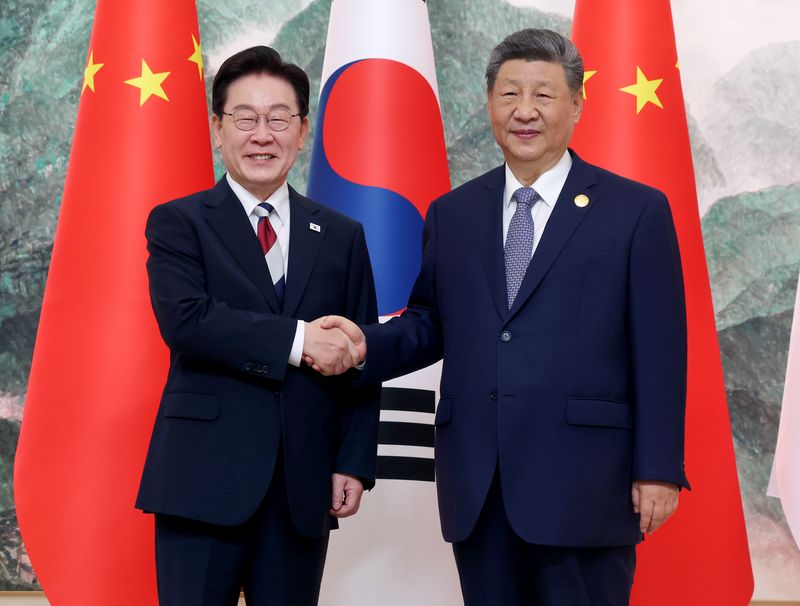
[Financial News] Hopes of an easing of the “Hallyu ban” have grown after the conclusion of follow-up negotiations on the Korea-China Free Trade Agreement (FTA), but analysts say the number of stocks that can be expected to see near-term earnings improvements is limited. The agreement opened the way for joint drama production and local operations by travel agencies in China, but did not include the resumption of K-pop performances, a key variable for the entertainment industry.
On the 19th, Hana Securities named Studio Dragon and HANATOUR SERVICE INC. as direct beneficiaries of the negotiations. China expanded the range of co-productions, previously limited to films, to include dramas, animation, variety shows and documentaries, and allowed Korean travel agencies operating in China to sell overseas travel packages locally.
Lee Ki-hoon, an analyst at Hana Securities, said, “The fact that the easing of restrictions has been formally documented alone carries considerable significance,” while pointing out that “it is true that the stocks likely to benefit are limited, even if regulations in the relevant sectors are eased.” He explained that competition with local Chinese companies is fierce in gaming, film and travel, while permission to hold K-pop performances in mainland China remains key for the genre, which has a strong global fan base. Lee noted, “Related stocks rose during the 2017 South Korea–China summit and when some games and dramas were approved in 2021, but tours in China did not resume.”
For dramas, whether titles already sold are aired locally will be a key factor in determining earnings. Lee said, “If local platform companies such as Tencent decide to air Korean dramas they have already purchased, taking the government’s changed stance as an opportunity, additional sales revenue could be expected right away.” He added that “works starring Hallyu stars could generate an additional 3 billion to 4 billion won per episode if they are aired in China.” HANATOUR SERVICE INC. cited its newly gained ability to recruit customers directly in China and sell travel packages to Korea as well as Japan and Southeast Asia as a reason it would benefit.
Entertainment stocks are expected to see substantial earnings growth if performances in China actually resume. Lee emphasized, “From a medium- to long-term perspective, assuming concerts eventually resume as well, the four major entertainment agencies are expected to post average earnings growth of around 40%.”
[email protected] Choi Doo-seon Reporter