SEOULTECH Professor Seo Hyeong-jun Named Among the World's Top Researchers
- Input
- 2026-11-18 19:35:53
- Updated
- 2026-11-18 19:35:53
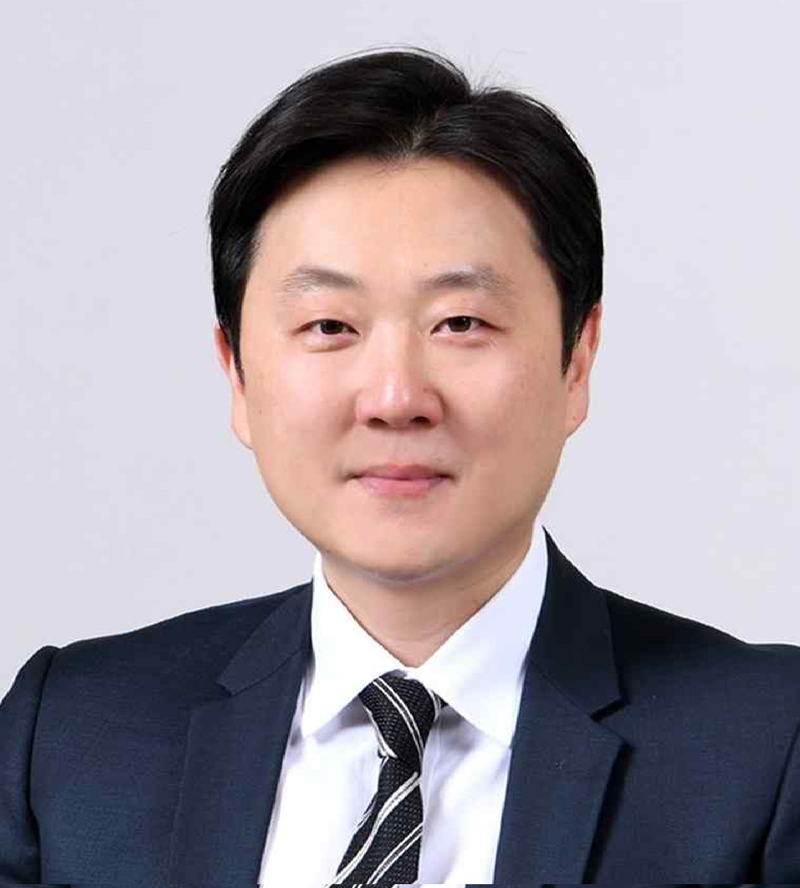
[Financial News] A domestic researcher who developed technology using satellites and artificial intelligence (AI) to prevent urban ground subsidence (sinkholes) and tunnel construction accidents has been recognized for his global academic influence.
Seoul National University of Science and Technology (SeoulTech) announced on the 18th that Professor Seo Hyeong-jun of its Department of Civil Engineering had been named to the “2026 World’s Top 2% Scientists” list, published jointly by Stanford University and global academic publisher Elsevier.
The list identifies the world’s most influential researchers by comprehensively assessing, among other things, how often their papers are cited in other research. Professor Seo ranked 1,031st among 67,736 researchers worldwide in the civil engineering subfield of engineering, placing him in the top 1.52%.
Professor Seo’s core research focuses on technology that uses satellite radar from space to observe subtle ground movements and analyzes the data with AI to assess the safety of structures. The aim is to detect underground changes that are difficult to see with the naked eye and reduce major accidents and enormous recovery costs.
Among his major achievements, he published a study in an international academic journal this year that used satellites to precisely track long-term ground subsidence around Yulhyeon Tunnel, Korea’s longest railway tunnel. Then, last September, he also unveiled technology that analyzes operating data from large tunnel-boring machines with AI to predict the hardness of rocks underground ahead of the machine with an accuracy of at least 98%. Validated using data from a tunnel construction site in Singapore, the technology is viewed as having the potential to help prevent collapse accidents and inform safe work decisions at actual construction sites.
The university said, “The successful integration of satellite observations and AI technology with traditional civil engineering was the reason it received high marks from the international academic community.”
[email protected] Kim Man-gi Reporter