[Editorial] Build a System to Keep K-Content's Global Hit Revenues in Korea
- Input
- 2026-11-18 18:21:02
- Updated
- 2026-11-18 18:21:02
Of course, it cannot be said that the entire K-content industry is in crisis. Last year, content industry revenue reached 161 trillion won and exports totaled $14.9 billion, both record highs. But the industry presents sharply contrasting fortunes. Webtoon and comic revenues rose significantly over the three years since 2022, while film revenues fell 33% and broadcasting revenues fell 4.3%. The decline in video content performance is partly due to falling theater attendance and a shrinking broadcast advertising market. But the impact of dependence on overseas platforms cannot be overlooked.
Netflix has contributed to K-content's success by providing large production budgets and a global distribution network. However, many domestic production companies, lacking funds and bargaining power, have been unable to move beyond contracts that require them to hand over their IP and accept only production fees. As a result, they lack the foundation to secure additional revenue, such as merchandising, after a hit and reinvest it in their next work.
The government's content support measures should focus not merely on providing production costs but on boosting the fundamental competitiveness of domestic companies. Securing IP and strengthening overseas distribution capabilities are especially crucial. Urgent institutional support is needed to enable production companies to retain the rights to original works and derivative works and receive a fair share of the revenue generated by a hit. The use of standard contracts should be expanded, and unfair contracting practices should be firmly corrected. The content policy funds proposed by the FKI and expanded loan guarantees for production financing are also worth considering.
The overseas expansion of domestic online video services (OTT) must also be accelerated. Selling content title by title makes it difficult to secure overseas subscribers, viewing data and steady subscription revenue. At the same time, it is not easy to take on global OTT services backed by vast capital in a head-on contest. Domestic platforms need to work together to strengthen their investment and distribution capabilities, while partnering with local telecom companies and platforms in promising markets such as Southeast Asia to expand their distribution networks. Expanding production-cost tax credits for growth industries such as gaming and music is also worth actively considering.
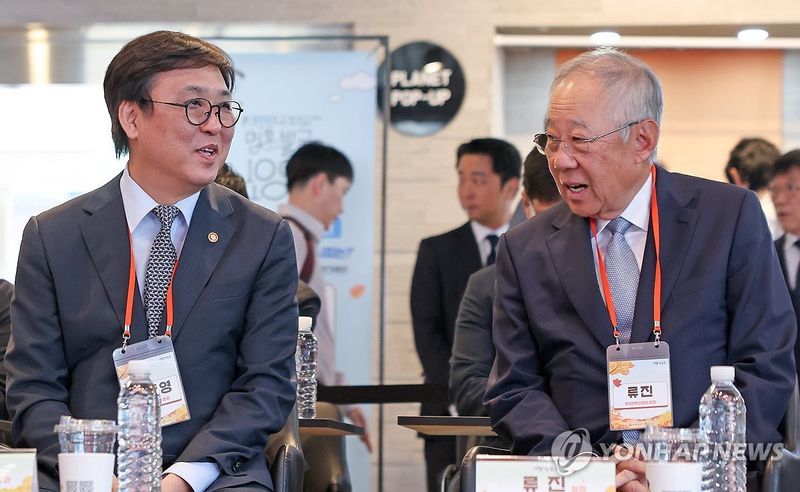
Choi Hwi-young, minister of Culture, Sports and Tourism, said that day, “Since K-culture is one of the country's three major export industries, alongside semiconductors and automobiles, we will strengthen policy support.” K-content can diversify an export structure heavily concentrated in manufacturing by also promoting the overseas expansion of related industries such as tourism and food. To develop content services exports into a new pillar of growth, support for development, financing and taxation must be made more systematic. The Framework Act on Service Industry Development, which has languished for nearly 15 years, should also be enacted once outstanding issues are promptly resolved. K-content's global success must be translated into growth for domestic industries.