[Editorial] Java Also Vulnerable After PHP; Urgent Checks of National IT Networks Needed
- Input
- 2026-11-18 18:20:59
- Updated
- 2026-11-18 18:20:59
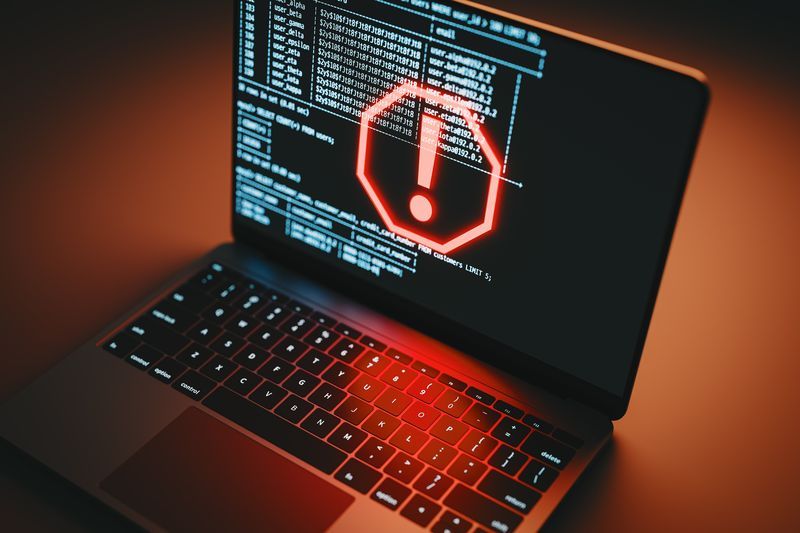
The risk of major repercussions stems from Java being the backbone of national IT networks. Java is used as a development language in 71.3% of South Korea’s public information systems and is also widely used in the core business networks of major financial, telecommunications and manufacturing companies. Under certain conditions, the vulnerability identified this time could allow malicious code to be planted and executed from outside without going through login or authentication procedures. Especially in systems that rely heavily on Java, even the exploitation of a single vulnerability could result in widespread damage.
This is not a problem limited to South Korea. In response to the vulnerability, known as “JavaShell,” security authorities in countries around the world, including the U.S. Department of Homeland Security, and global companies have all launched urgent inspections. Moreover, this incident comes amid a series of digital crises. In the United States, an outage in the Federal Aviation Administration’s (FAA) air traffic control communications network halted flight takeoffs, and disruptions also occurred in Microsoft (MS) services and the National Security Agency’s (NSA) internal network. In South Korea, hacking incidents have continued, including the exposure of about 470,000 records at 37 financial companies since late September.
U.S. authorities said there was no evidence of a cyberattack behind the NSA outage and that it resulted from routine maintenance. In other words, even without external hacking, an update error alone can bring critical systems to a halt. Applying Java security patches is also difficult for organizations in South Korea. Servers have to be restarted, and compatibility issues with existing programs may arise, prompting concerns about service disruptions. A shortage of skilled personnel and funding compounds the problem. But if patching is delayed, international hacker groups such as the Lazarus Group, which is linked to North Korea’s Reconnaissance General Bureau (RGB), could exploit the gap. In effect, organizations face a double risk: they must apply patches quickly, yet may have to accept disruptions in the process.
The Java vulnerability identified this time was discovered in just one hour by a U.S. cybersecurity firm using an artificial intelligence (AI) coding tool. This shows how much easier vulnerabilities have become to find. Just as AI is being used for defense, attackers can also abuse the same tools. Behind the gains from AI and more advanced digital administration, neglecting software vulnerability management, server redundancy (keeping backup servers in case of failures) and the expansion of dedicated security staff could come at a cost: IT outages and fear of hacking. As the past paralysis of the government administrative network showed, when public and financial networks go down, people’s daily lives and business activity are immediately affected. That is why digital security must be treated as a matter of national security, not merely a technical check.
This Java incident is a warning light flashing on our digital infrastructure. Authorities must comprehensively check whether Java and PHP patches have been applied across key infrastructure, including telecommunications and energy facilities, as well as central government agencies, local governments and public institutions. They must establish security investment as a core responsibility of executives and agency heads, while strengthening vulnerability management and incident response capabilities. Above all, they must go beyond one-off inspections and fundamentally overhaul the national cyber defense system.