Foreign Residents Top 2.66 Million... Top Settlement Support Policies to Be Selected
- Input
- 2026-11-18 16:06:06
- Updated
- 2026-11-18 16:06:06
[Financial News] With the number of foreign residents in South Korea surpassing 2.66 million, local governments are expanding their support policies to cover all aspects of daily life, including language, healthcare, education and employment.
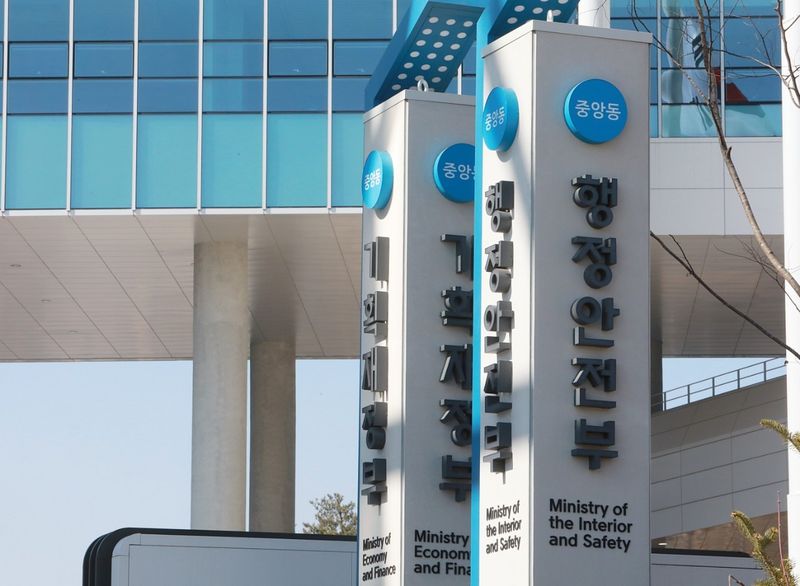
The Ministry of the Interior and Safety said on the 18th that it will hold the final round of judging for the “2026 Local Government Best Practices Contest for Supporting Foreign Residents” at the Government Complex Sejong on the 19th.
As of November 1 last year, there were 2,662,967 foreign residents in South Korea, accounting for 5.1% of the total population.
Eight policies that passed the preliminary review advanced to the final round. Busan’s “Busan Olleng” is a service that lets users check restaurant menus and prices in seven languages simply by scanning a QR code, without installing a separate app. Namyangju City in Gyeonggi Province is running the “Nalgae” project to help undocumented youth with immigrant backgrounds transition to legal residency and explore career paths.
Policies that help international students and seasonal workers settle in their local communities also stand out.
Chuncheon City in Gangwon State is converting existing vacant lodging facilities into dormitories for international students and running the “LINK” project, which connects students with local businesses. The aim is to develop the students into local talent and help them find jobs and settle in the region. Geochang County in South Gyeongsang Province provides advance airfare assistance to foreign seasonal workers, organizes group airport escorts, operates a counseling center in their dormitory and offers free tetanus vaccinations. The approach goes beyond securing workers for rural areas to supporting seasonal workers’ living conditions as well.
Other finalists include an integrated support call center for foreign residents in Jeonnam-Gwangju Integrated Special City; training marriage migrant women for professional roles and integrated care for children and parents in Cheongju City, North Chungcheong Province; and policies linking Korean-language education with employment and settlement in Jeonbuk State.
MOIS will select one grand prize winner, three excellence award winners and four encouragement award winners after expert review, and plans to share the best practices with other local governments.
Jang Heon-beom, director general for local administration at MOIS, said, “I hope this will be a valuable opportunity for local governments to share and spread their outstanding policy experience and the wisdom gained on the ground.”
[email protected] Lee Bomi Reporter