MOLIT and MOIS to Increase Regional Investment and Narrow Gaps in Living Conditions... Begin Identifying Key Tasks
- Input
- 2026-11-19 10:00:00
- Updated
- 2026-11-19 10:00:02
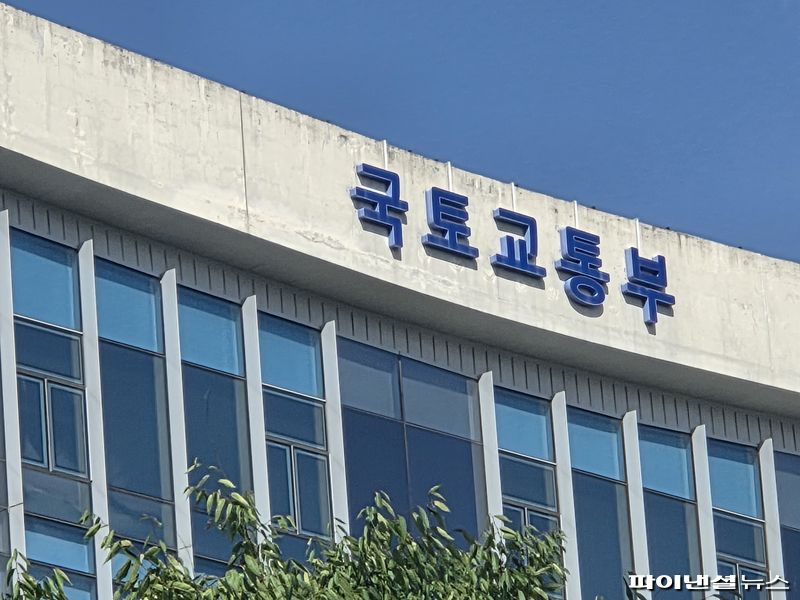
The two ministries said they would hold the first working-level meeting of the “Regional Disparity Mitigation Team” in Seoul on the 19th. The meeting is a follow-up to the “Directions for Responding to Polarization,” announced jointly by relevant ministries on the 11th, and the meeting of the steering group of the Task Force on Response to Polarization on the 12th.
The team will be jointly led by MOLIT’s first vice minister and a vice minister of the Ministry of the Interior and Safety. At its first meeting, the team will discuss its operating plan, along with tasks to revitalize local economies and ease inconveniences in residents’ daily lives.
The team will focus in particular on coordinating programs across ministries so that the effects of corporate investment can spread throughout local commercial districts and residents’ lives. It plans to review proposed tasks for local demand and feasibility, gather input from local governments, businesses, experts and residents, and flesh out the tasks. It will also establish a division of responsibilities and implementation plans for each task.
MOLIT First Vice Minister Kim Yi-tak said, “It is important to broaden opportunities for growth so that the strengths and potential each region possesses can lead to actual investment and jobs.” He added, “We will create conditions that allow businesses and talent to choose regions, and work with relevant ministries to identify effective tasks that ensure regional gains translate into vitality for neighborhood commercial districts and better living conditions for residents.”
Vice Minister Kim Min-jae of the Ministry of the Interior and Safety said, “Reducing regional disparities is a key task in responding to polarization, which is directly tied to people’s lives.” He added, “We will pool the capabilities of relevant ministries around the programs regions need, and identify and flesh out tasks that allow residents to feel a change in their daily lives.”
[email protected] Choi Ga-young Reporter