[On the Scene] “One Car Hammered Down Every 10 Seconds” ... Kolon Opens Anseong Used-Car Auction Site to Public for First Time
- Input
- 2026-11-18 18:00:00
- Updated
- 2026-11-18 18:00:01
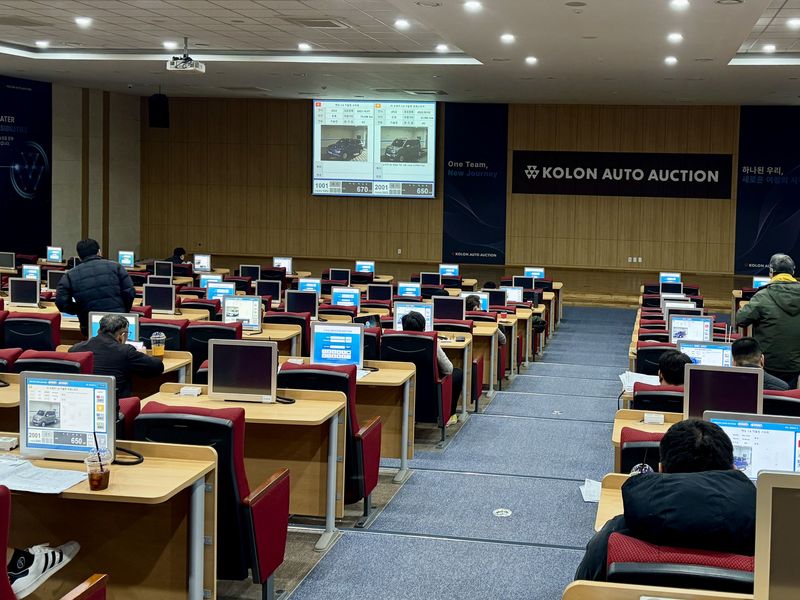
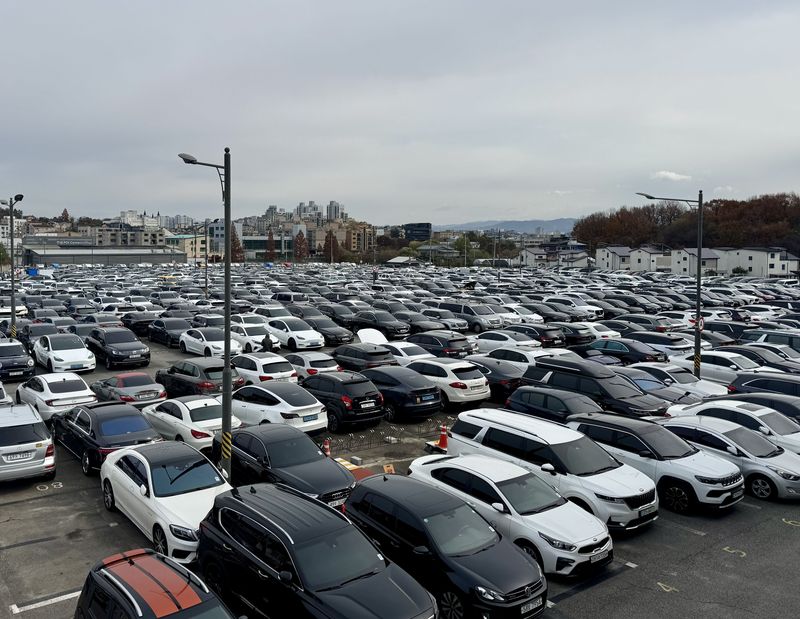
KOLON MOBILITY GROUP CORPORATION opened its Anseong auction site, Kolon Auto Auction, to the public for the first time, five months after acquiring it in June this year.
KOLON MOBILITY GROUP CORPORATION CEO Choi Hyun-seok emphasized that “an auction house is more than a wholesale channel; it is where used-car market prices are formed.” The plan is to link auction data from around 2,000 vehicles consigned each week with new-car and certified used-car businesses to build a lifecycle ecosystem centered on imported cars.
■ 94% of bids are online ... second in the industry in market share
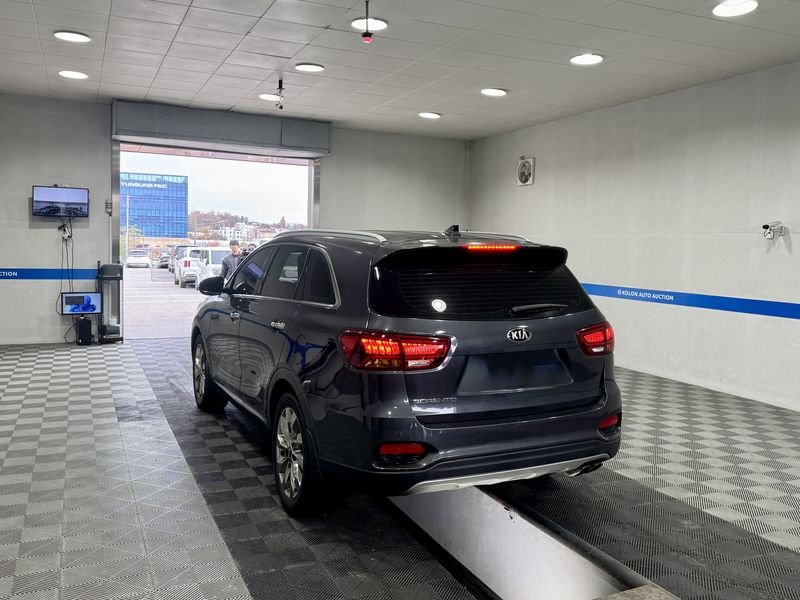
According to KOLON MOBILITY GROUP CORPORATION, the Anseong auction site covers about 24,000 pyeong, making it the largest single auction site in Korea. Its display area can accommodate about 2,300 vehicles. Each vehicle is given seven seconds, with three seconds added when a bid comes in. The price rises by 50,000 won each time a button is pressed. Vehicles for the domestic market are mainly assigned to lanes A and B, while export vehicles are assigned to lanes C and D. Machine-learning technology using artificial intelligence (AI) is trained on the winning-bid data accumulated each week to determine which lane and position each vehicle should be assigned to.Most of the process before a vehicle is consigned is also automated. After passing license plate recognition (LPR) equipment, vehicles enter a performance inspection facility with 14 working bays. It takes a skilled appraiser 10 to 15 minutes per vehicle to grade its accident history and exterior condition on a tablet. Electric vehicles have their state of charge (SOC) and state of health (SOH) measured in one of two dedicated bays.
In the photography building, seven cameras capture each vehicle’s exterior in three seconds. Kolon Auto Auction plans to invest about 400 million won in the fourth quarter to add underbody scanning and tire-wear measurement equipment. The additional site of about 2,700 pyeong that it purchased is set to be used as a display area in the first half of next year.
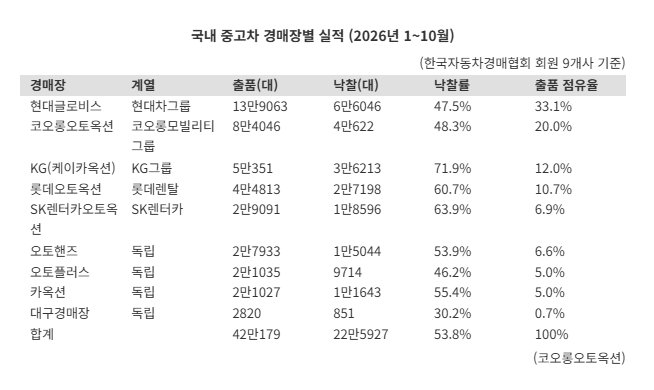
Last year, 97,529 vehicles were consigned to the Anseong auction site, and 53,868 were sold. Its share of consignments from January to October this year was 20.0%, ranking second among the nine auction sites belonging to the Korea Automobile Auction Association, behind Hyundai Glovis (33.1%). Of the 2,116 registered member companies, 814 (38%) are exporters, and they take 55.5% of all vehicles sold at auction.
■ “Profitability Is Down Because of the War ... Competing on Data”
Choi, a 27-year veteran of the used-car industry, described used cars as a “matchmaking business.” “It is difficult for sellers and buyers to make a deal at the same expected price at the same time,” he said. “An auction house quickly turns into cash, at competitive prices, the inventory businesses put up all at once, while dealers efficiently buy the raw materials for their business.”He cited trade-in purchases during new-car sales as a source of synergy within the group. “About 50% of people sell their own car when they buy a new one,” Choi said. “Being able to buy well the GENESIS, Mercedes-Benz or Hyundai Elantra owned by a customer buying a BMW is an important competitive advantage in new-car sales.” Among the vehicles acquired, newer models or those with lower mileage go to retail outlets, while older, high-mileage, lower-priced vehicles are sent to auction.
Data, he said, will be a key area of competition over the medium to long term. “A retail outlet might sell about 1,200 cars in a month, but 1,200 will be auctioned here today alone,” Choi said. “We plan to use this data for various data businesses, covering not only market prices but also information on vehicle features.” He explained that financial companies already pay for used-car price data from auction houses and elsewhere to design leasing and rental-car products. As for entering the vehicle scrapping and parts businesses, he said, “It will be several years before we can consider that. For now, our priority is to focus on this business and improve profitability.”
[email protected] Kim Dong-chan Reporter