“Be Sure to Tell Your Child Who Is Taking the CSAT”... 3 Fast-Acting Calming Techniques to Use When You Feel Nervous at the Test Center [Smart Wellness]
- Input
- 2026-11-18 15:15:11
- Updated
- 2026-11-18 15:15:11
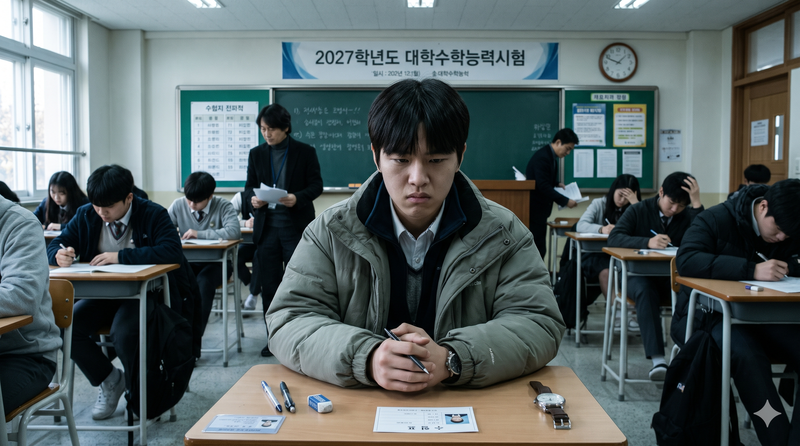
[Financial News] With cases of cheating involving the misuse of miniature cameras and artificial intelligence (AI) uncovered in various exams, the atmosphere at College Scholastic Ability Test (CSAT) test centers is expected to be heavier than ever. Intense surveillance, combined with anxiety about being wrongly suspected, has pushed examinees’ psychological pressure to a peak.
When this intense anxiety passes a critical threshold, it can stimulate the brain’s amygdala and cut off blood flow to the frontal lobe, which is responsible for thinking and problem-solving. This can lead to a state of “panic (brain freeze),” in which the chest feels tight and the mind goes blank. Techniques for regulating breathing and the senses are needed more than ever.
An “intentional sigh” can slow your heart rate
When your heart is pounding, the quickest emergency remedy is to stimulate the vagus nerve—which helps relax the body and activate the parasympathetic nervous system—with a “deep sigh.” Breathe in deeply through your nose, then, without pausing, immediately take one more short breath to expand your alveoli as much as possible. Then slowly exhale through your mouth, making the out-breath long.
As the exhalation lengthens, the diaphragm rises and the space around the heart narrows. A signal to slow the heartbeat travels to the heart through the vagus nerve. Repeating this breathing technique two or three times just before the test papers are handed out can quickly steady a racing heart rate.
See, hear, and feel... Focus on the sensations of “this moment” to regain your composure
If the intense scrutiny around you makes you tense and your breathing quickens, the “grounding” technique can also help. Often used in psychotherapy, it is an exercise that helps restore a sense of connection to reality.
Grounding is a technique devised by American psychiatrist Alexander Lowen that focuses on sensations in your surroundings to bring your attention back to “this moment.” It commonly uses the 3-3-3 technique: identify three things you can see and three sounds you can hear, then move three parts of your body.
For example, look for objects around you, such as a desk, writing utensils, or a sticker on your exam admission ticket, and silently name them and their features. Then listen in turn to sounds such as a clock, traffic noise from beyond the schoolyard, and the proctor’s footsteps. Finally, focus on small muscle movements, such as wiggling your toes, clenching and unclenching your fists, or rolling your shoulders.
By feeding sensory signals to the body in sequence this way, you can suppress activity in the amygdala, which drives fear, and allow reason to regain control.
When the jaw and neck stiffen, the brain does too... Even stretching the back of the neck can help you relax
It is also important to loosen tight jaw and neck muscles. Extreme tension can make you clench your molars, interfering with blood flow to the brain. Place the tip of your tongue against the roof of your mouth and part your lips to relax your lower jaw. Then pull your chin toward your chest to stretch the back of your neck, easing stiffness in your face and neck. This can help the brainstem come out of alert mode, allowing you to think more flexibly.
Ways to make life healthier and more vibrant are closer than you think. [Smart Wellness] shares insights on caring for the body and mind, drawing on scientific evidence and the latest trends. Subscribe to the reporter’s page to receive [Smart Wellness] with ease.
[email protected] Kim Hyeon-seon Reporter