'Biofuel' Microalgae Grown in Jeju Lava Seawater Are 'Clean' and Virus-Free
- Input
- 2026-11-18 10:31:13
- Updated
- 2026-11-18 10:31:13
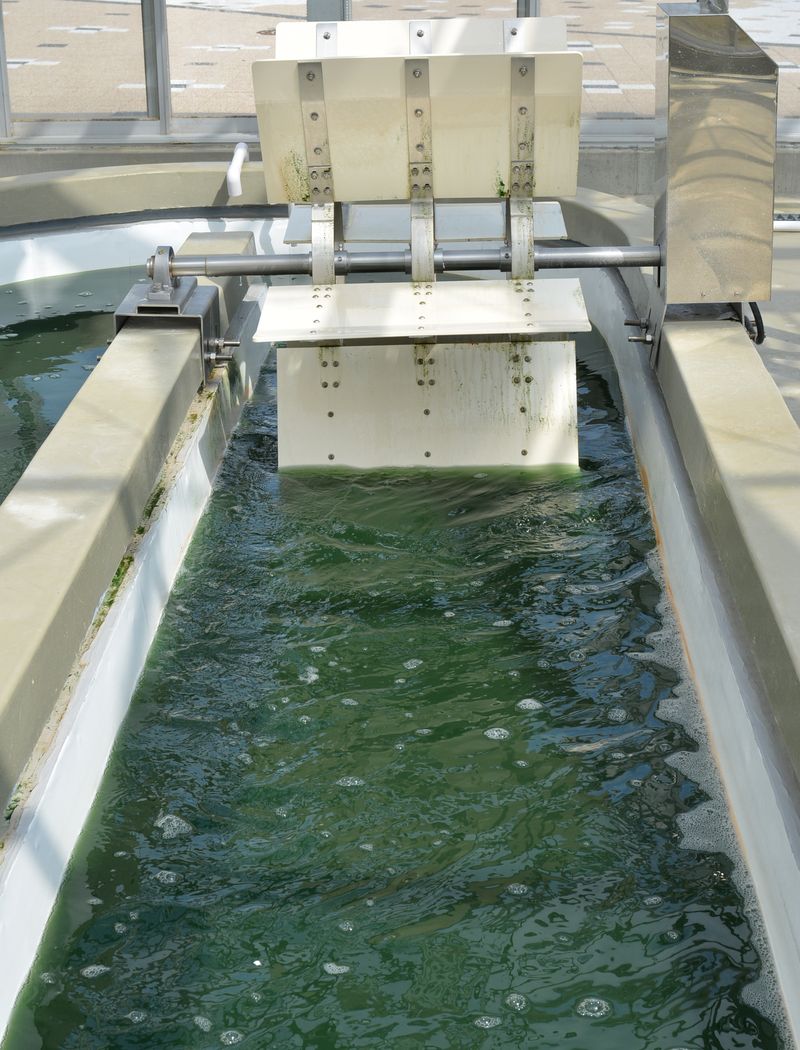
The Korea Institute of Ocean Science and Technology (KIOST) said on the 18th that Dr. Lee Won-gyu of its Jeju Bio Research Center had used Jeju lava seawater to cultivate marine microalgae, achieving yields up to 4.3 times those with ordinary seawater.
Microalgae are a promising resource of the future, attracting attention as a source of high-value-added materials such as biofuels, functional foods, and natural pigments. However, when cultivated on a large scale, predators such as ciliates, competing microorganisms, and viruses can enter with seawater, making cultures prone to failure.
Preventing this requires sterilizing seawater, a process that consumes enormous amounts of money and energy and has long been an obstacle to commercialization. Jeju lava seawater, which has drawn attention as a solution in this study, proved its value as naturally purified culture water: not a single species of predator or virus was detected, even without separate sterilization.
Lava seawater is coastal seawater that has been filtered as it passes through the porous basalt layers beneath Jeju, much like water passing through a water-purifier filter. In Jeju, large quantities can also be obtained inland using wells that pump groundwater.
Dr. Lee used lava seawater drawn from a well about 145 meters deep in Gujwa-eup, Jeju City, and ordinary seawater from the nearby coast to cultivate the green microalga 'Tetraselmis suekika' separately, in 200-liter batches. In the ordinary-seawater tank, ciliates multiplied, and the amount of microalgae fell by as much as 70.9% in just two days, forcing cultivation to be halted early.
By contrast, no predatory organisms were observed in the lava-seawater tank, and the microalgae grew steadily. As a result, the final yield with lava seawater was 2.1 to as much as 4.3 times that with ordinary seawater.
Dr. Lee said, "This study is the first achievement to confirm, through large-scale microalgae cultivation, the cleanliness and biological stability of lava seawater, a resource unique to Jeju in the world." He added, "Going forward, we will combine seasonal monitoring with broad-based economic feasibility analyses to propose use strategies suited to local characteristics and step up research on production systems for eco-friendly, high-value-added biomaterials."
[email protected] Byun Ok-hwan Reporter