September Delinquency Rate at Commercial Banks Hits a 10-Year 'High'
- Input
- 2026-11-18 10:32:06
- Updated
- 2026-11-18 10:32:06
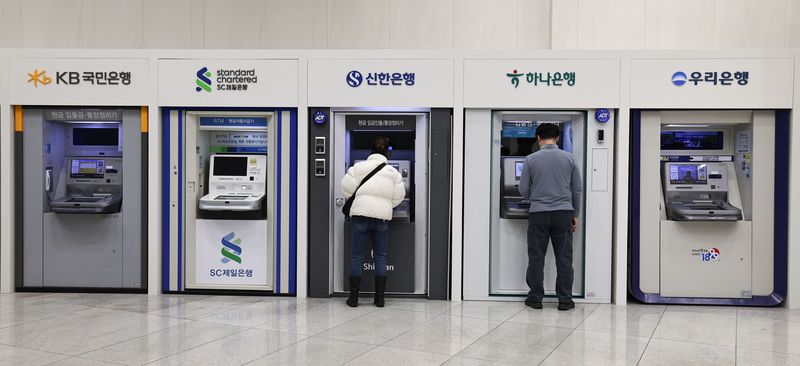
[Financial News] In September, the delinquency rate on won-denominated loans at domestic commercial banks reached a 10-year high for the month. The rate rose particularly among small and medium-sized corporations and individual business owners.
According to the “Status of Delinquency Rates on Won-Denominated Loans at Domestic Banks as of the End of September 2026 (Preliminary)” released by the Financial Supervisory Service (FSS) on the 18th, the delinquency rate for loans with principal or interest overdue by at least one month stood at 0.59% at domestic banks. This means that about 5,900 won of every 1 million won lent by domestic banks was not repaid on time. That was down 0.10 percentage points from the previous month (0.69%), but was the highest level for September since 2016 (0.80%). Delinquency rates in the banking sector are generally considered to have reached a risky level when they exceed 2%. While rates remain low overall, the FSS analysis is that the medium- to long-term upward trend continues, with delinquency rates rising across all sectors, including corporate and household loans, compared with the same month last year.
By category, the delinquency rate on corporate loans rose by 0.11 percentage points, while rates on loans to large corporations and small and medium-sized enterprises rose by 0.21 and 0.10 percentage points, respectively. The delinquency rate on loans to large corporations stood at 0.33%, up 0.29 percentage points from 0.04% at the end of September 2024. This is believed to reflect the impact of rehabilitation proceedings and debt workouts involving affiliates of JoongAng Group. The delinquency rate for small and medium-sized corporations climbed from 0.68% in September 2024 to 0.81% in September 2025, then jumped to 1.10% this August before easing to 0.92% as banks cleared delinquent loans. The FSS said it is closely monitoring delinquency trends among small and medium-sized corporations and individual business owners (0.74% in September), among others.
The household loan delinquency rate stood at 0.41%, up 0.02 percentage points from a year earlier. The delinquency rate for household credit loans is relatively higher than that for home mortgage loans.
However, all sectors saw declines compared with August, the previous month. This was mainly due to the effect of quarter-end write-offs (the cleanup of delinquent loans), which banks carry out as part of their efforts to manage asset soundness. The corporate loan delinquency rate stood at 0.72%, down 0.14 percentage points from the previous month. The household loan delinquency rate also stood at 0.41%, down 0.04 percentage points month on month. The delinquency rate for home mortgage loans fell 0.01 percentage points to 0.30%, while the rate for household loans excluding mortgages, such as credit loans, fell 0.12 percentage points to 0.79%. The amount of delinquent loans cleared rose by 3.2 trillion won to 4.7 trillion won.
Newly delinquent loans at domestic banks totaled 2.4 trillion won in September, down 600 billion won from the previous month. The FSS said, “Given domestic and international conditions, including the trend of rising interest rates, and the base effect from sales and write-offs of delinquent loans, delinquency rates could rebound.” It added, “We will encourage banks to strengthen their loss-absorbing capacity by maintaining sufficient capital and loan-loss provisions, promptly sell or write off delinquent loans that need to be resolved, and carry out effective debt restructuring—taking into account borrowers’ prospects for recovery and ability to repay—so that borrowers who can get back on their feet can feel a reduction in their repayment burden.”
[email protected] Jo Eun-hyo Reporter