“Antibiotics, Too, Must Be Chosen Carefully” ... Tailored Prescriptions Eradicate H. pylori in 9 Out of 10 Patients [Health Check]
- Input
- 2026-11-18 09:09:57
- Updated
- 2026-11-18 09:09:57
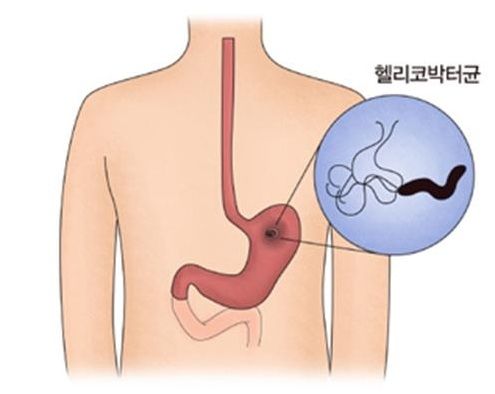
[Financial News] A considerable number of patients still have bacteria remaining and need to take medication again even after receiving H. pylori eradication treatment. A study in South Korea has found that choosing medication after checking for antibiotic resistance in advance can raise the eradication success rate to at least 90%.
A joint research team led by Prof. Wang Ho-young of the Department of Gastroenterology at Soonchunhyang University Seoul Hospital and Prof. Ahn Ji-yong of the Department of Gastroenterology at Asan Medical Center published the findings in the international journal Journal of Gastroenterology and Hepatology last September.
Helicobacter pylori is a Group 1 carcinogen designated by the International Agency for Research on Cancer (IARC), part of the World Health Organization (WHO), and causes gastritis, gastric ulcers and stomach cancer.
The research team analyzed 807 patients who received H. pylori eradication treatment at Asan Medical Center and Ulsan University Hospital from January 2020 through December 2024. They received standard first-line triple therapy, which combines an acid suppressant with two antibiotics (amoxicillin and clarithromycin). The team compared eradication success rates between a tailored-treatment group treated based on antibiotic resistance test results and a conventional-treatment group treated without testing.
The eradication success rate was 92.9% in the tailored-treatment group, 23.6 percentage points higher than the 69.3% rate in the conventional-treatment group. Among patients who took at least 80% of their prescribed medication, the rates were 93.7% in the tailored-treatment group and 69.7% in the conventional-treatment group. The results were similar when patients with comparable characteristics—including age, sex, smoking, alcohol use, hypertension and diabetes—were matched and compared again.
The research team also examined resistance to another antibiotic, amoxicillin. Among patients whose infections responded to clarithromycin, the eradication rate was 94.0% for strains not resistant to amoxicillin and 86.8% for resistant strains.
Prof. Wang said, “In treating H. pylori, it is important to choose an appropriate treatment by considering antibiotic resistance as well as the duration of treatment. In this study, tailored treatment based on resistance testing had a higher eradication success rate than conventional empirical treatment, and a treatment strategy that takes antibiotic susceptibility into account may help improve the effectiveness of eradication therapy.”
The paper is titled “Antibiotic resistance test-based tailored triple therapy achieves high Helicobacter pylori eradication rates regardless of treatment duration (Susceptibility-Guided Triple Therapy Achieves High Helicobacter pylori Eradication Regardless of Duration).”
[email protected] Jung Myung-jin, Medical Correspondent Reporter