[International Oil Prices] Rebound as Tensions Rise in the Strait of Hormuz
- Input
- 2026-11-18 06:31:34
- Updated
- 2026-11-18 06:31:34
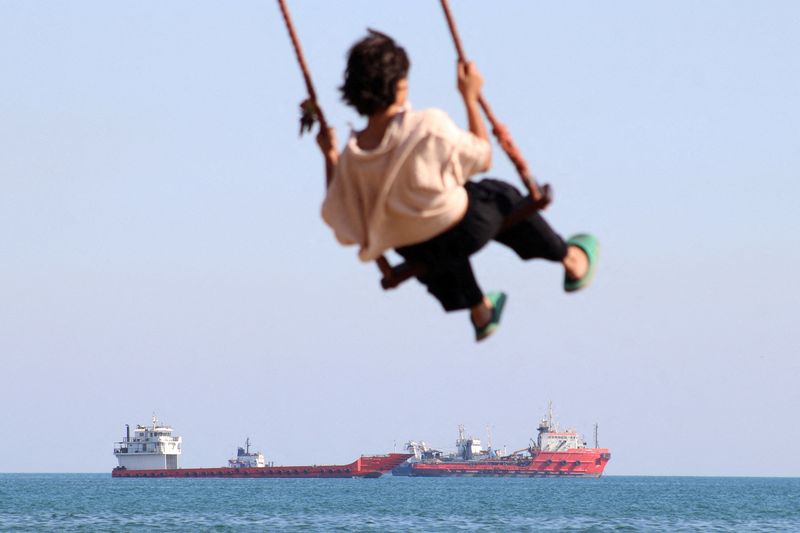
International oil prices rose slightly on the 17th (local time).
The rise came amid escalating tensions, with reports that the United States had carried out an airstrike on Qeshm Island, a strategic point for Iran in the Strait of Hormuz, and an Iranian attack on a radar at a U.S. military base in Bahrain. Iran's claim that one oil tanker and one liquefied natural gas (LNG) carrier had each been hit in the Strait of Hormuz also fueled the rise in oil prices.
Brent crude for delivery in January next year, a benchmark grade for international oil prices, settled at $93.14 a barrel, up 0.76% from the previous session.
December West Texas Intermediate (WTI), the U.S. oil benchmark, settled up 0.34% at $86.01 a barrel.
However, the two grades are down 20% and 16%, respectively, so far this month.
Iran used a drone to attack a U.S. military air-defense radar system in Bahrain, where the U.S. Navy's 5th Fleet is based, that day.
The attack was retaliation for the U.S. military's missile strike on Iran's Qeshm Island.
Reports that Iran was planning to detonate a 'dirty bomb' in Washington also heightened market unease.
President Donald Trump, who was on a trip to Asia, was asked about the report and said he was taking the matter seriously.
Bob Yawger, head of energy futures at Mizuho, said, "The rhetoric from both sides has ratcheted up considerably," but noted that an oversupply of oil had curbed upward momentum in prices. He added that, under these circumstances, a repeat of the large price spikes seen in the past would be difficult.
[email protected] Song Kyung-jae Reporter