[Editorial] AI Cheating Threatening Fairness Requires Fundamental Solutions
- Input
- 2026-11-17 19:15:05
- Updated
- 2026-11-17 19:15:05
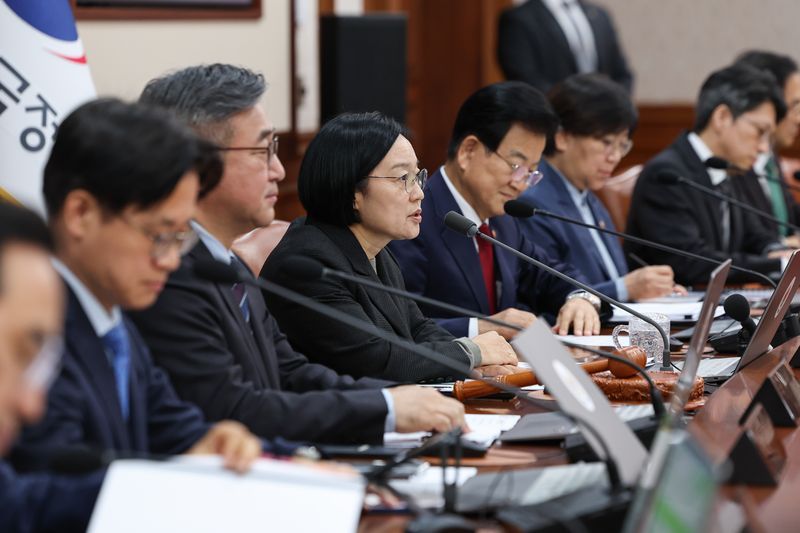
AI cheating is only just beginning. An all-out effort is needed now to prevent such unfair practices from spreading. First, the government must respond to the upcoming CSAT without leaving any gaps. On the 17th, Prime Minister Han Seong-sook described AI cheating as a “social evil” and said an emergency response team would be activated. The measures include a blanket ban on carrying smart devices during exams; switching off and collecting smartphones and similar devices; and checking not only glasses and watches but also collars, sleeves and buttons. However, these steps, announced just before the exam, are also no more than stopgaps. Collecting belongings and checking candidates can only thwart methods that are already known. Even when cheating is caught using these conventional methods, it will be difficult to keep pace with rapidly evolving technology. Even if this CSAT is somehow managed, this approach will not work in other exams. The government must urgently develop a systemic response that goes beyond piecemeal fixes.
More concerning, however, are the candidates themselves. Candidates already endure tremendous psychological pressure simply from taking the CSAT. If procedures for entering exam rooms change and more rigorous inspections are introduced to prevent cheating, this could also take a toll on candidates' condition. The government should therefore rigorously prevent AI cheating during the CSAT while also putting measures in place to ensure candidates can take the exam in safe and comfortable conditions.
Ultimately, it is important not to stop at addressing institutional loopholes exposed by AI, but to develop fundamental reforms. Detection technology must be developed, exam administration standards overhauled, and exam-site supervision systems redesigned through a whole-of-government effort.
Thorough and swift legislative discussions are also needed. On the 17th, Kim Min-seok, leader of the Democratic Party of Korea (DPK), announced plans to draft legislation that would bar candidates caught cheating with AI from taking exams for up to 10 years. If enacted, the law would be considered an extremely stringent measure. Still, it is doubtful whether the bill could realistically pass the National Assembly and take effect. Above all, this would be too little, too late. Punishment presupposes that cheating is detected, but it is difficult to catch cheating involving advanced devices at the scene. That is why a systemic approach is needed to stamp out cheating on exams using AI.
AI-enabled cheating methods will become more sophisticated and varied. The problem could spread beyond the CSAT to all manner of national and qualification exams. Codifying in law everything from the duration and scope of restrictions on taking exams to procedures for filing objections could establish the principle of fairness.
Neither the ruling nor opposition parties dispute the need to prevent such cheating. The response should not stop at hastily drafted legislation rushed out to address this incident; instead, it should draw on extensive expert input and produce measures the public can accept.