“Could They Be After Industrial Secrets?” ... Samsung, SK, Hyundai Motor and LG Wary of ‘AI Glasses’ at Industrial Sites [‘AI Security’ Alert]
- Input
- 2026-11-17 18:39:03
- Updated
- 2026-11-17 18:39:03
■ Raising the Bar for Bringing Devices Into Research Labs and Factories
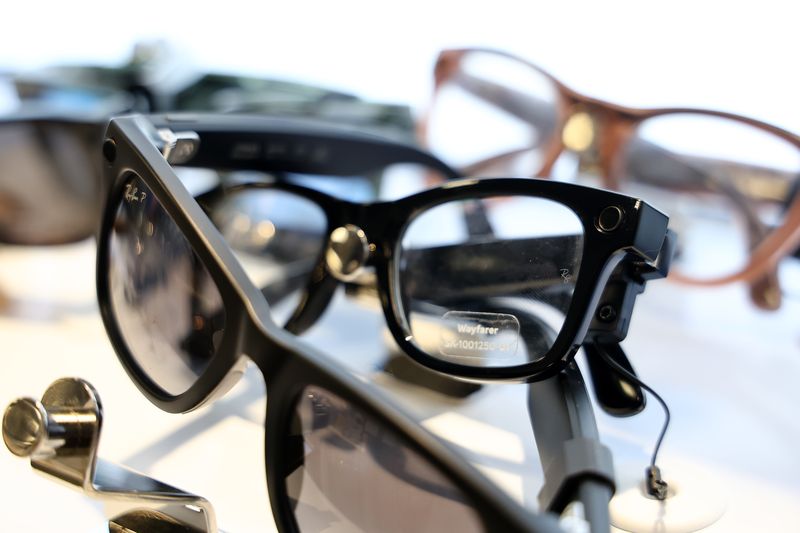
According to industry sources on the 17th, Samsung Electronics generally prohibits taking photos inside the company using smart devices, and smart glasses may be brought in only if they have a sticker restricting photography. SK hynix classifies smart glasses as prohibited information and communications devices and requires employees who bring them to leave them in a locker before entering the building. The company recently reiterated that people should report anyone they see wearing or using smart glasses or similar devices on its premises.
Since June, Hyundai Motor Company has required outside visitors to its headquarters in Seoul’s Seocho District to report in advance and obtain approval if they wish to bring AI wearable devices, including smart glasses, inside. The same procedure is reportedly also in place at its research labs and factories in Korea.
A key issue going forward is expected to be how far the functions of devices approved for work use can be controlled. Critics point out that covering the lens can prevent photography, but separate technology is needed to block recording through the microphone or data transmission to and from external services. Companies are reportedly weighing how to flesh out security rules at research labs and production lines, from approval to bring devices in to bans on photography and audio recording and restrictions on connecting to external AI services.
■ Glasses Checked for All SKCT Test Takers
As AI can now read test questions and provide answers, supervision procedures in hiring are becoming more detailed.
SK monitors the entire process of its remote SK Comprehensive Competency Test (SKCT). Before the test, it checks both of each test taker’s hands for smartwatches and accessory-style wearable devices, and from the second half of this year it has added a procedure to check every test taker’s glasses via webcam. Applicants are informed in advance that using electronic devices, including smart glasses, will be treated as cheating.
LG is also said to check test takers’ surroundings before aptitude tests and to inspect the glasses of those who wear them. Samsung’s online Global Samsung Aptitude Test (GSAT) manual explicitly bans smart glasses and requires test takers to remain within the proctoring camera’s field of view during the test.
An industry official explained, “Products with cameras and microphones built into the frames are difficult to distinguish from ordinary glasses using only webcam footage,” adding, “The hiring and information security departments need to work together to revise procedures for checking devices and identifying unusual behavior.”
[email protected] Lim Su-bin, Kim Hak-jae Reporter