“I’ll Buy Homegrown Brands Instead of Korean Cosmetics”: Vietnam’s Patriotic Consumption Craze
- Input
- 2026-11-17 18:28:41
- Updated
- 2026-11-17 18:42:00
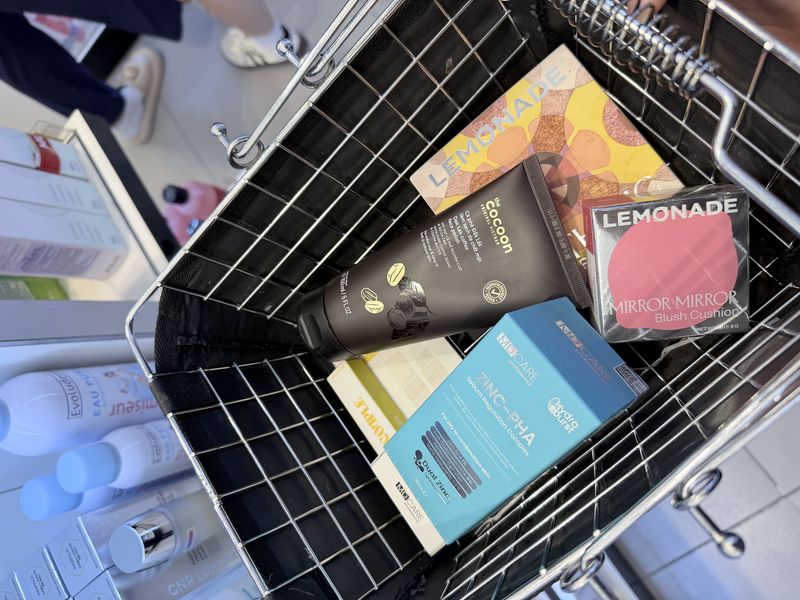
【Financial News, Hanoi (Vietnam) = Correspondent Kim Jun-seok】 “I started using local Vietnamese cosmetics instead of Korean brands after seeing recommendations from friends on social media. The prices are reasonable, and they’re in no way inferior to Korean or Japanese products in design and quality. As the quality keeps improving, I naturally find myself choosing Vietnamese products.”
The university student, whom we met on the 16th at a Cocolux store on Nguyen Trai Street in Hanoi, had her shopping basket filled with products from homegrown Vietnamese brands. Cocolux, a cosmetics retail chain expanding mainly in northern Vietnam, is known as the “OLIVE YOUNG of Vietnam.” Hoa, in her 40s, whom we met there, also said, “I recently switched my entire skincare routine to Vietnamese brands such as Cocoon and MD Care. They’re perfectly suited to Vietnam’s climate and local skin, so they feel gentle, and if I’m going to choose, I’d rather support domestic companies, which is why I reach for local brands first.”
Vietnam’s consumer market, where imported products once came with a “premium” label, is undergoing a seismic shift. As pride in domestic brands grows, driven by government policies encouraging consumers to buy local products and rapid economic growth, “Made in Vietnam” is becoming a mainstream consumer trend that goes beyond simply buying domestic goods.
■Homegrown brands push foreign giants aside
In fields such as mobility and automobiles, food and beverages, and retail, Vietnamese homegrown companies have already pushed aside foreign giants and taken the lead.
Vingroup, known as the “Samsung of Vietnam,” is at the forefront. The homegrown EV brand VinFast recorded cumulative domestic sales of 200,593 vehicles from January through October this year, becoming the first automaker in Vietnamese history to reach the 200,000-vehicle mark in just 10 months. In October alone, it raised its market share to 41.4%, overtaking Toyota Motor Corporation, Hyundai Motor and others to sweep the top six spots among the most popular models. In the mobility market, Vingroup-affiliated electric taxi service Green SM has also surpassed a 50% market share, pulling sharply ahead of global heavyweight Grab.
Domestic products also account for an overwhelming share across retail channels. At Vietnam Foodexpo 2026, held on the 12th, Saigon Co.op, Vietnam’s largest homegrown retail network, said, “At least 90% of the products on display across our approximately 800 stores nationwide are made in Vietnam.”
Homegrown brands are also mounting a fierce challenge in the beauty market, long considered a stronghold of South Korean companies. According to 2026 reports by global business consulting firms Vietnam Briefing and Acclime Vietnam, foreign brands from South Korea, Europe, Japan and elsewhere still account for at least 90% of total sales in Vietnam’s cosmetics market, which has grown to about $3 billion (about 4.0131 trillion won). But as 84% of local consumers have recently made transparent ingredient labeling their top purchasing criterion, local brands emphasizing “distinctively Vietnamese ingredients” and products “tailored to local consumers” are rapidly gaining ground.
■The “Vinno” craze spreads... Government backs it with policy
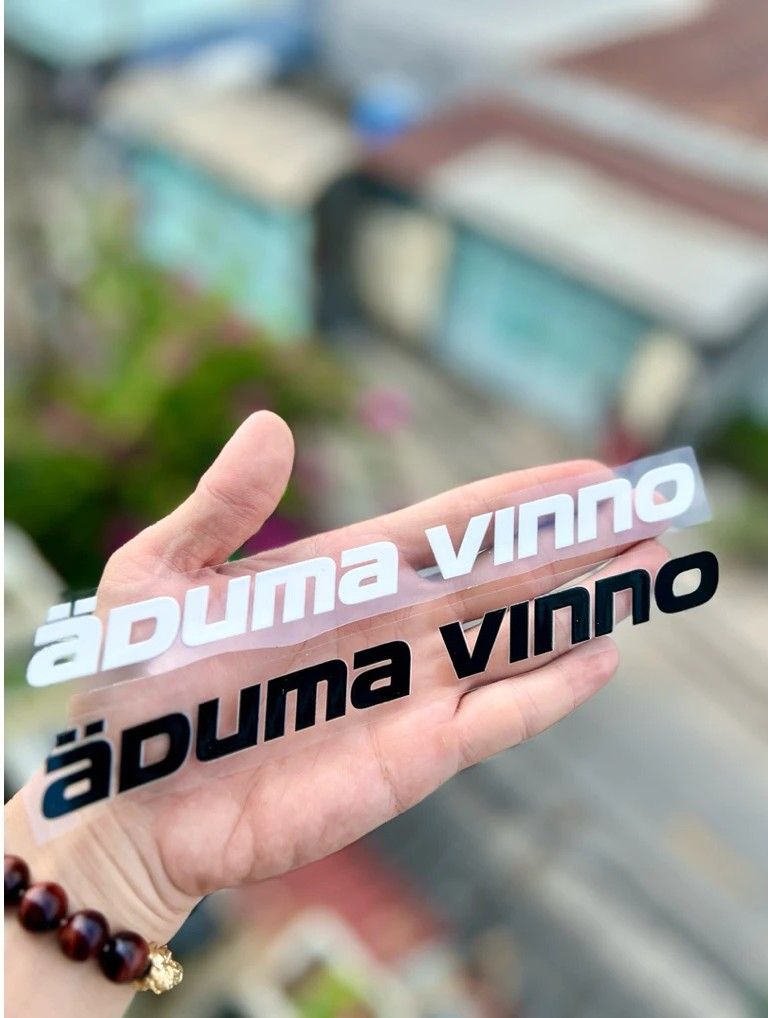
Behind the surge in homegrown brands is a culture of voluntary patriotic consumption that has taken hold among local young people. In the past, “Vinno,” a slang term meaning “a slave of Vingroup,” was used online to mock people who blindly followed the country’s major conglomerates. But as patriotic consumer sentiment has grown stronger, 3D stickers bearing slogans such as “Aduma Vinno (I’m a Vinno, so what?)” and “Vin Number One” have been selling like hotcakes on online marketplaces.
This groundswell of public enthusiasm is gaining further momentum with institutional support from the government. On the 29th of last month, the Vietnamese government officially approved the “Vietnamese Goods for Vietnamese People, 2026–2030” program through a prime ministerial decision. Under the program, the government aims to grow the domestic retail market by 14–15% a year, expanding it to 14 quadrillion dong (about 728 trillion won) by 2030, and to keep the share of Vietnamese-made goods in hypermarkets consistently at least 80%. To achieve this, it is rolling out comprehensive support measures, including building a “National Digital Certification Platform” to verify product origins and quality in real time; nurturing 3,000 officially certified companies and 100 leading brands by 2030; and encouraging foreign-invested companies operating in Vietnam to prioritize purchasing Vietnamese raw materials and components.
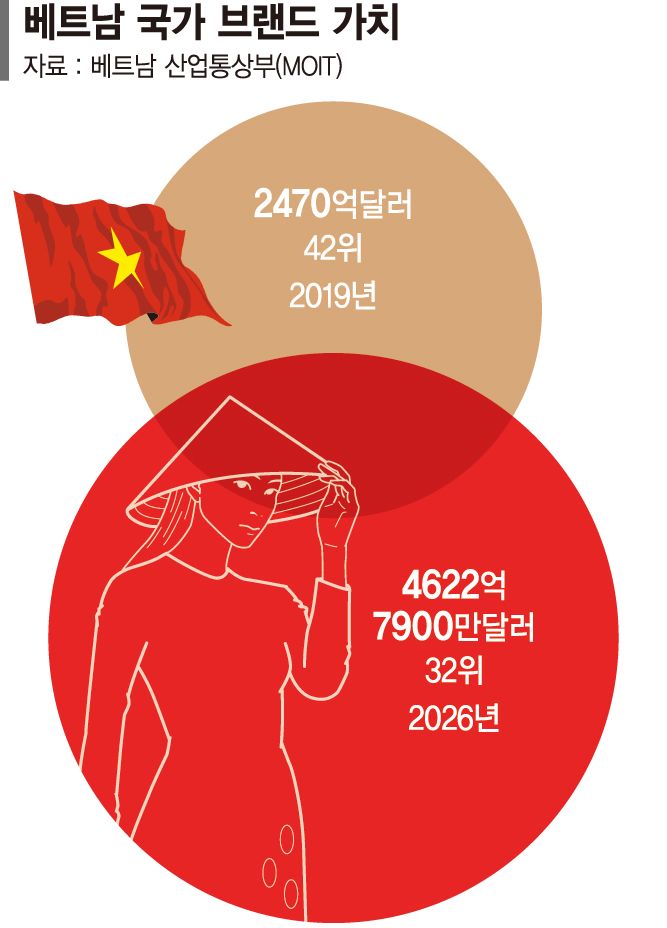
A strong domestic market is directly boosting the value of Vietnamese companies. According to Brand Finance data released last month by Vietnam’s Ministry of Industry and Trade, Vietnam’s nation brand was valued at $462.279 billion (about 618.3906 trillion won) this year, ranking 32nd among 193 countries. Companies with products certified under the national brand program also accounted for more than 50% of Vietnam’s 50 most valuable brands.
A local industry official said, “With Vietnamese consumers prioritizing practicality and value for money, the old model of exporting finished products on the strength of a brand name has reached its limits.” The official added, “Companies need to transform themselves into locally attuned brands through joint ventures with promising local businesses or thoroughly tailored R&D.”
[email protected] Kim Jun-seok Reporter