Rest Your Body, Replenish Your Mind... A Wellness Trip to Jeungpyeong and Cheongju, North Chungcheong Province
- Input
- 2026-11-19 19:47:52
- Updated
- 2026-11-19 20:26:01
【Jeungpyeong and Cheongju, North Chungcheong Province = Reporter Sun-Min Jung】Wellness has been one of the major travel trends for quite some time. Wellness is a concept that combines “well-being” with “happiness” and “fitness,” referring to travel programs that can promote not only mental and social well-being but also physical health. North Chungcheong Province, just an hour away from the Seoul metropolitan area by KTX, also runs wellness programs with its own distinctive character. The so-called “Chungbuk-style Wellness Program” is billed as “A Journey of Flavor, Rest and Empathy.” I visited the province’s two cities, Cheongju and Jeungpyeong, to experience firsthand their wellness programs built around three themes.
■ Jeungpyeong: Belleforet Resort and Jwagusan Recreation Forest
Jeungpyeong, in North Chungcheong Province, is a place where visitors can fully enjoy the appeal of wellness tourism centered on mountains and forests. At Belleforet Resort, a multi-purpose recreation complex, visitors can try meditation to restore body and mind, while at Jwagusan Recreation Forest they can walk forest trails and relax amid nature.
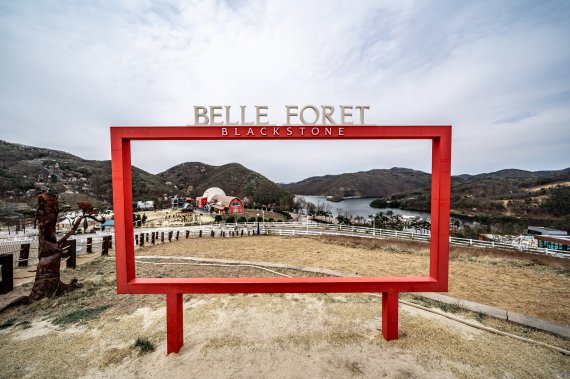
The first stop is Blackstone Edufarm Resort, also known as Belleforet Resort, in Doan-myeon, Jeungpyeong County. This large-scale recreation complex has a golf course, condominiums and a ranch. Its open mountain slopes and waterside scenery come together to help visitors briefly forget the bustle of city life from the moment they arrive.
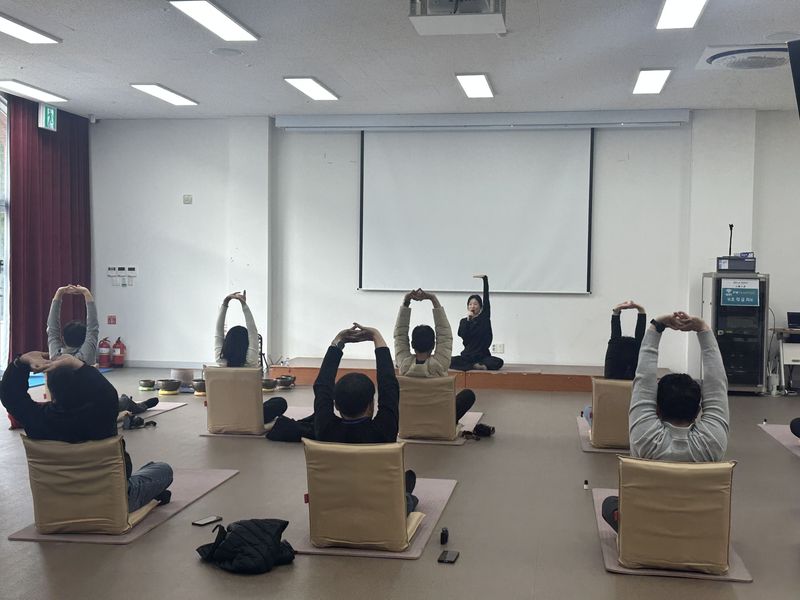
The wellness program I experienced here is called “Maeum Moeum.” It offers a chance to try breathing meditation, body scans and a sound bath using singing bowls, guided by a professional instructor. The key is to focus on your own body and mind, which are easy to neglect in daily life.
After loosening up with some light stretching, you close your eyes and slowly steady your breathing. Next comes a body scan: lying on a mat, you focus one by one on the sensations in each part of your body, from your toes to your head. It is a meditation technique for relaxing tense muscles and becoming aware of your physical state.
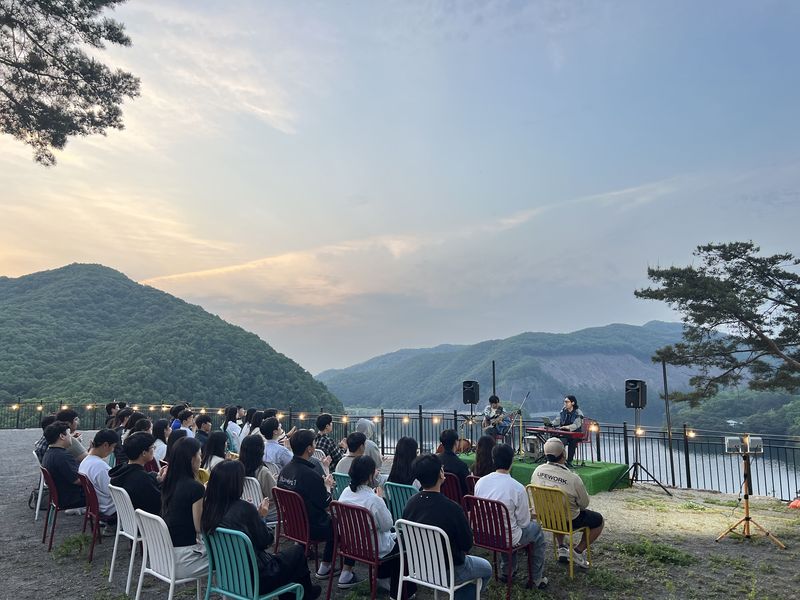
Meditation with singing bowls is also fascinating. When you strike a metal bowl or rub its rim, a soft, lingering resonance fills the space. As you close your eyes and listen, even tangled thoughts gradually settle. No special movements or techniques are required. Simply release tension in your body and focus on the sound and your breathing.
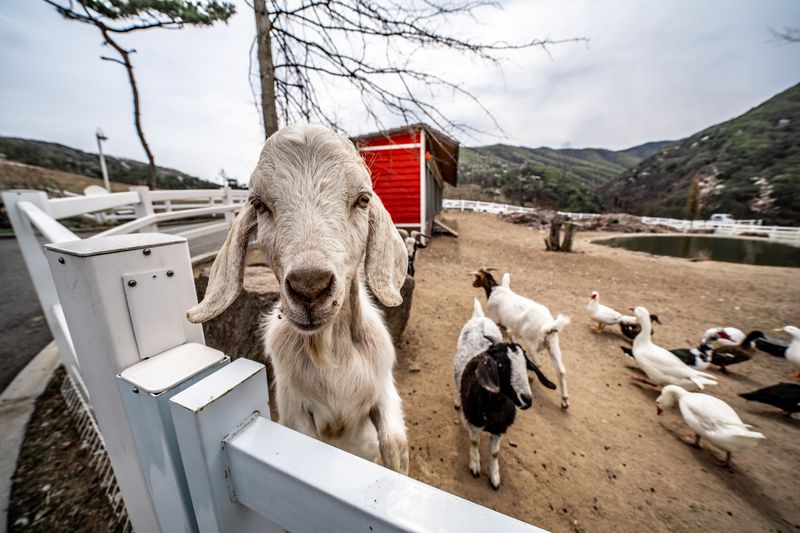
Belleforet also offers wellness programs for general guests. The signature options include “Sunset Yoga,” which gets you moving outdoors as you watch the sunset, and “Good Morning Media Meditation,” which combines singing bowl meditation with media-art videos. After calming the mind through meditation, visitors can connect with animals at the ranch or enjoy the resort’s various leisure facilities.
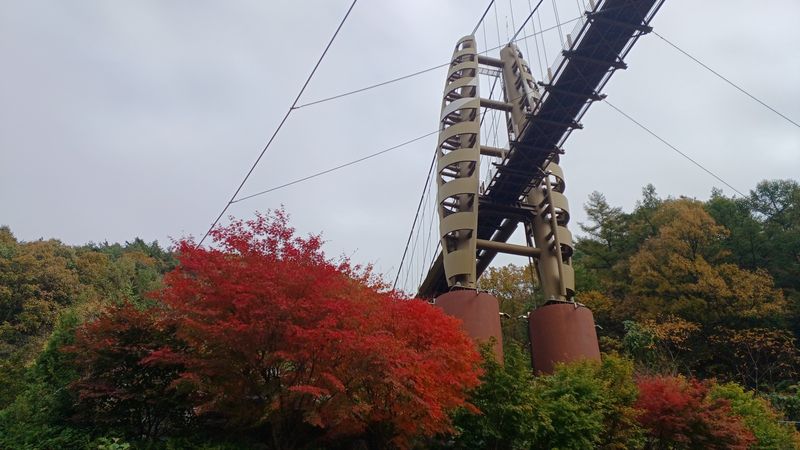
About a 30-minute drive from Belleforet brings you to another of Jeungpyeong’s wellness destinations, Jwagusan Recreation Land. Encompassing dense forests and valleys, it is a natural recreation area with forest retreats and a variety of activity facilities.
One of its signature facilities is the “Forest Meditation House.” Visitors can soothe tired bodies with experiences such as soaking their feet in warm water and enjoying flower tea as part of “tea therapy.” There is also a forest-healing program that involves walking through the woods while breathing in phytoncides.
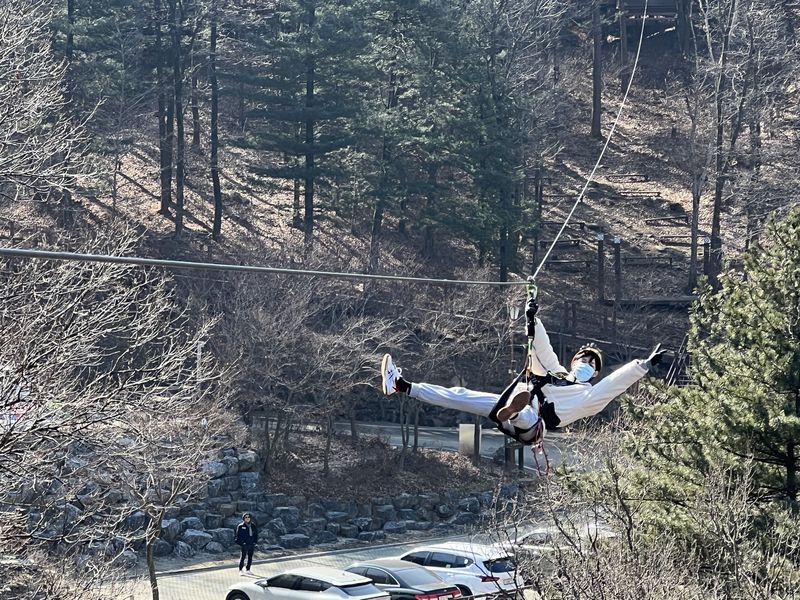
The Meditation Cloud Bridge, one of Jwagusan’s signature attractions, is another must-see. From the bridge spanning a deep valley, visitors can take in the surrounding mountain slopes and forest at a glance. The dizzying view below may make your heart skip a beat, but looking at the mountains all around leaves you feeling refreshed and clear-headed.
Visitors can also save on travel costs with the “Jeungpyeong Tour Pass,” operated by Jeungpyeong County. The pass provides access to major tourist attractions and activity facilities, including Belleforet and Jwagusan Recreation Land. A 24-hour pass costs 19,900 won, and a 48-hour pass costs 29,900 won. Some facilities require advance reservations.
■ Cheongju: Chojung Healing Village and Samgyeopsal Street
After experiencing the restorative power of nature in Jeungpyeong, visitors can enjoy wellness tourism in Cheongju, where water, history and food come together. Chojung-ri, Cheongwon-gu, Cheongju, home of Chojung Mineral Spring, is a destination for restoring body and mind while following in the footsteps of King Sejong from the Joseon era.
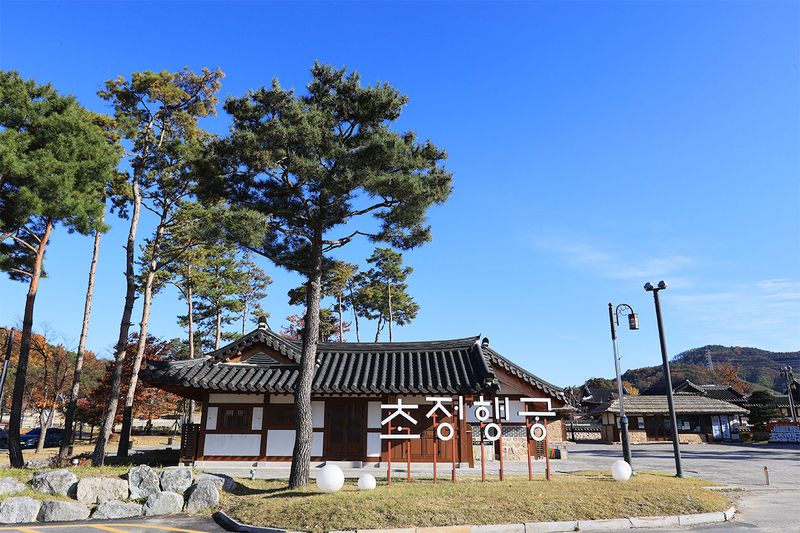
Chojung Mineral Spring has long been known for its mineral water, which is rich in carbon dioxide. It has such a longstanding reputation that it is regarded as one of the world’s three great mineral springs. The Veritable Records of the Joseon Dynasty records that King Sejong visited Chojung in 1444 to seek treatment for an eye condition and other ailments.
Chojung Haenggung was created on the basis of this historical record. The hanok complex recreates the temporary palace where King Sejong stayed and offers both traditional cultural experiences and historical tours. Walking through its grounds, where tiled roofs and graceful hanok buildings blend together, visitors may feel as if they have briefly returned to the Joseon era.
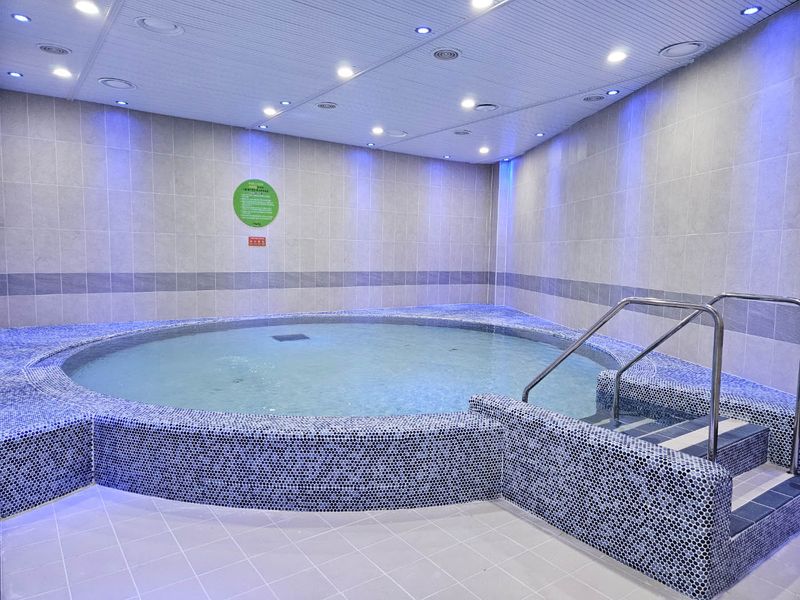
Nearby Chojung Healing Village is a modern wellness facility that uses Chojung mineral water. Opened in 2024, it has a carbonated-water healing pool, a spa therapy pool, heat and bubble therapy facilities, and meditation rooms. Its signature offering is a hydrotherapy program that uses the carbon dioxide in Chojung Mineral Spring water.
The meditation room offers programs focused on breathing and physical relaxation. First, participants tense their hands and arms, then slowly release them to notice the difference between tension and relaxation. They then lie comfortably on a mat, close their eyes and listen to the soft resonance of singing bowls. It is a chance to set aside complicated thoughts for a while and focus on their breathing and bodily sensations.
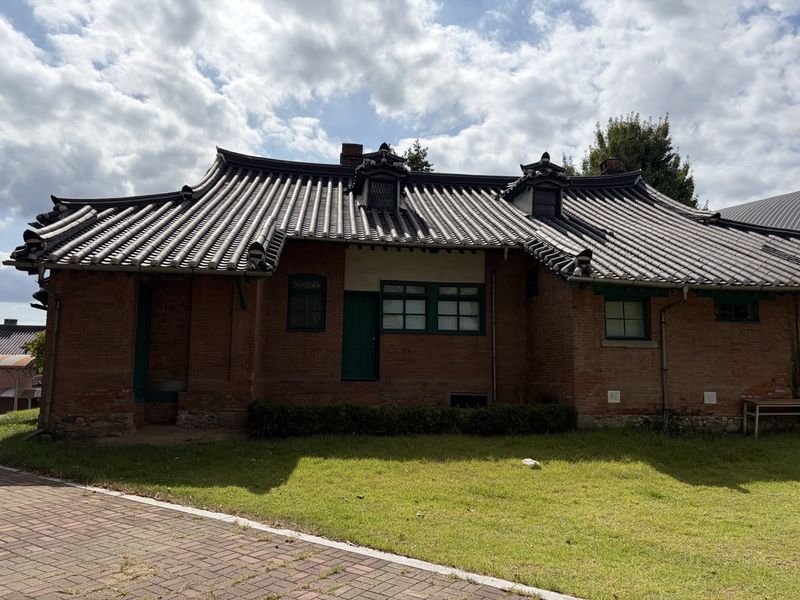
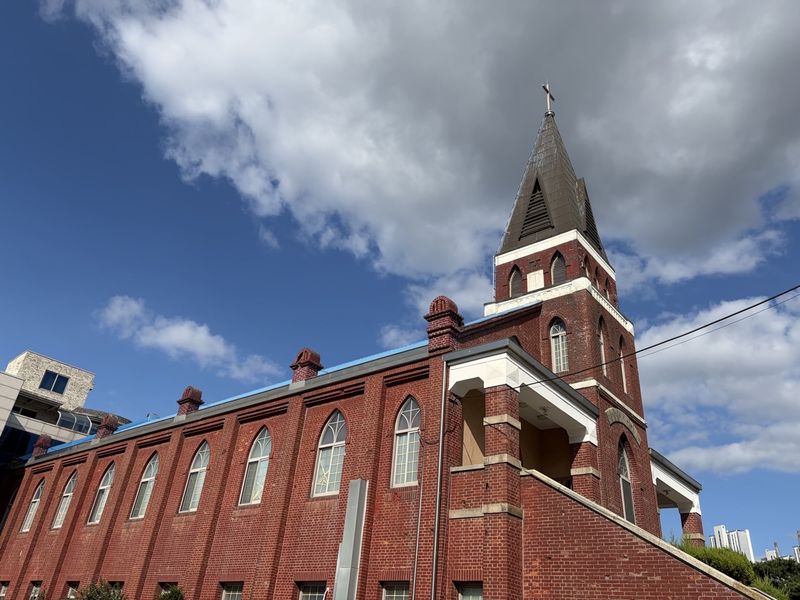
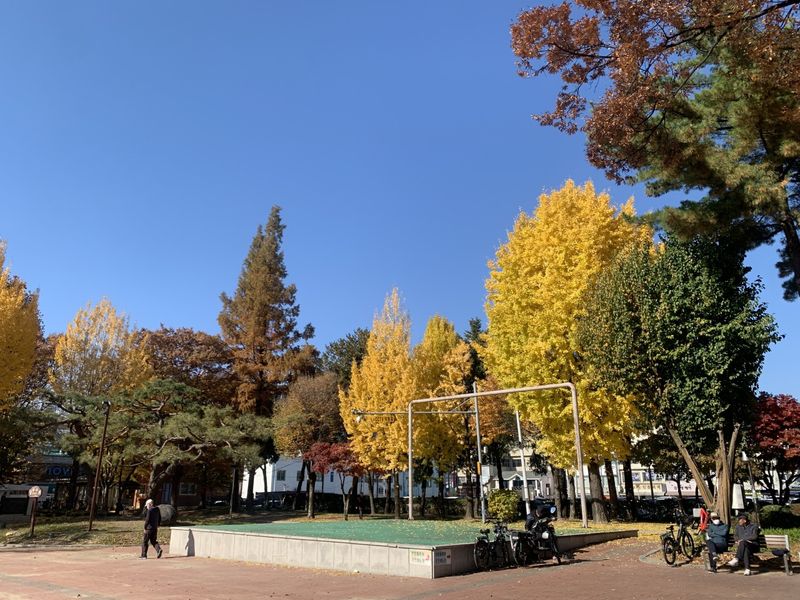
Cheongju’s “Path of Pilgrimage and Reflection,” which links religious sites with modern historical heritage, is also worth exploring. Created ahead of World Youth Day Seoul 2027, it is an urban wellness walking route connecting historic places in Cheongju where different religions and cultures coexist.
The route begins at Tapdong Western Houses, where traces of early modern-era missionaries remain, and continues via Seoundong Catholic Church, Cheongju First Church, Central Park, the iron flagpole at the Yongdusa Temple Site and Cheongju Hyanggyo, before ending at Yonghwasa Temple beside Musimcheon Stream. Yonghwasa is home to the Treasure known as the Stone Buddha Group at Yonghwasa Temple, Cheongju, comprising seven stone Buddha statues from the Goryeo era. The route’s appeal lies in the chance to encounter, in turn, the heritage of Catholicism, Protestantism, Confucianism and Buddhism, and take time for personal reflection.
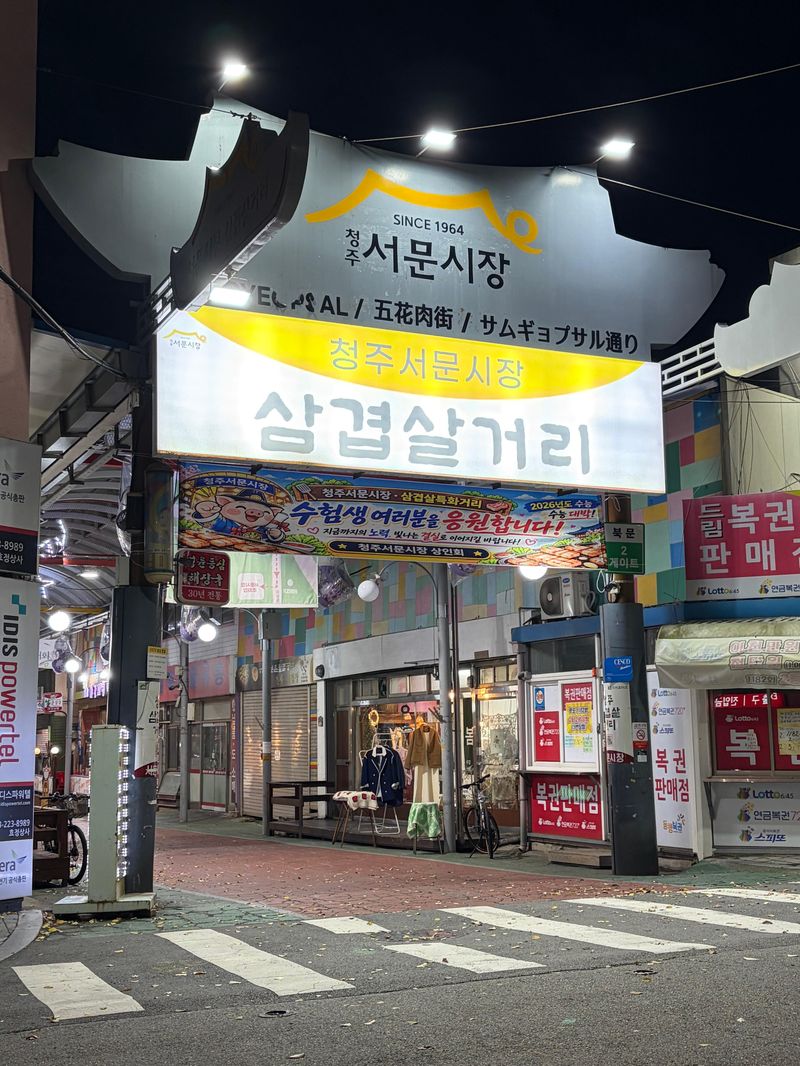
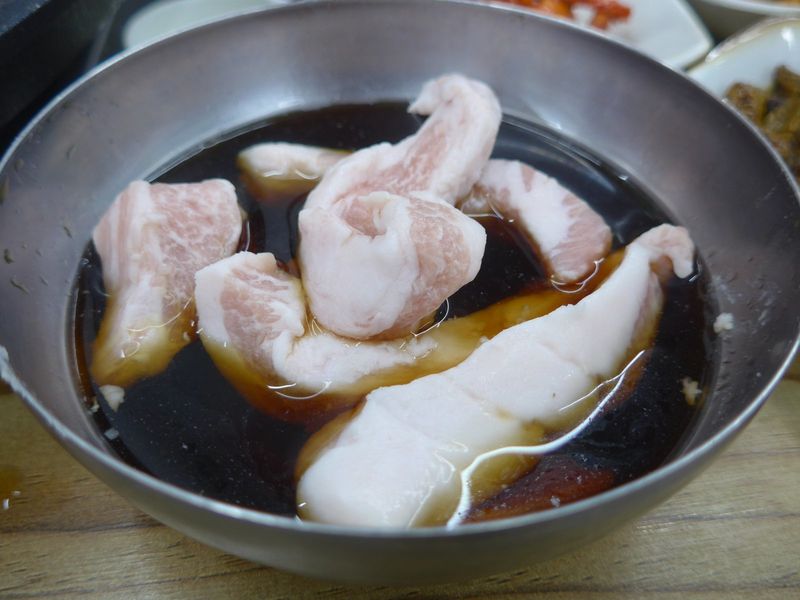
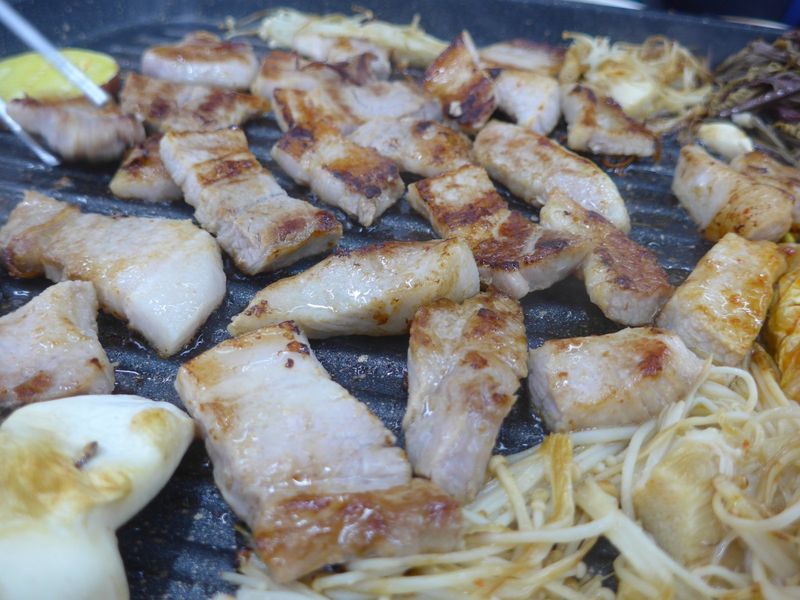
The pleasure of eating is an essential part of a wellness trip. Another theme of the Chungbuk-style Wellness Program is “local cuisine that nourishes body and mind.” Samgyeopsal Street at Cheongju’s Seomun Market is a leading place to experience the region’s distinctive food culture.
Unlike the usual salt-grilled version, Cheongju-style samgyeopsal is dipped in a soy sauce marinade before grilling. Served with spicy and tangy scallion salad, the thick pork belly, seasoned with a savory saltiness, takes on an even richer flavor.
People in Cheongju have enjoyed samgyeopsal this way for a long time. In 2012, a street specializing in samgyeopsal was established around Seomun Market. It is a leading example of revitalizing a declining traditional market while developing the region’s distinctive food culture into a tourism product.
[email protected] Sun-Min Jung Reporter