South Korea Joins NATO's 'STARLIFT' Space Launch Framework as Founding Member, the Only Non-NATO Country
- Input
- 2026-11-17 17:31:18
- Updated
- 2026-11-17 17:40:05
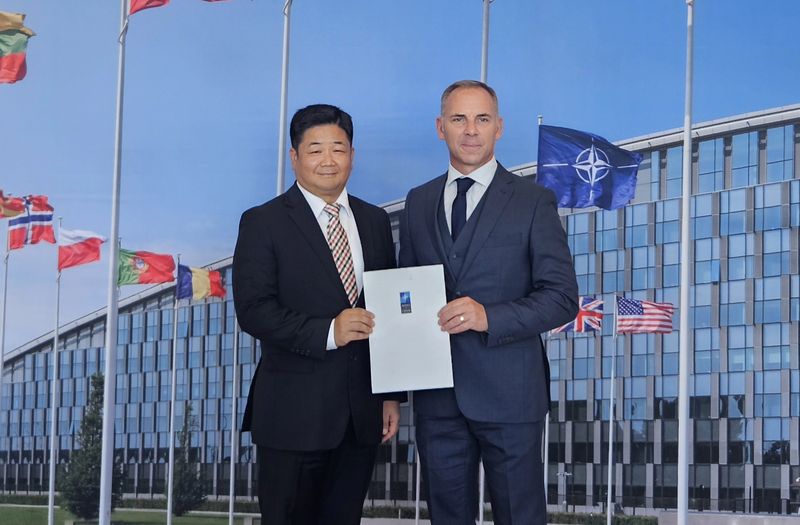
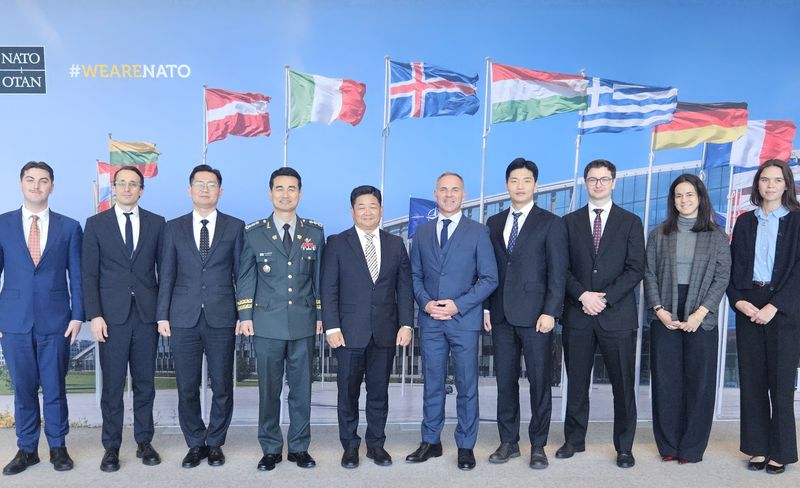
STARLIFT is a multinational space security cooperation framework established to ensure rapid and reliable satellite launches in peacetime as well as in contingencies by enabling participating countries to make use of one another's space launch vehicles and launch sites. The defense authorities of 10 NATO member states—Belgium, Canada, Finland, Germany, Italy, the Netherlands, Norway, Sweden, Türkiye and the United Kingdom, excluding the United States—and nonmember South Korea are participating, for a total of 11 countries. Each country will select and carry out the cooperation projects it wants according to its own needs.■ Easing reliance on SpaceX and opening the way for Korean space companies to enter NATO's procurement marketMilitary circles and the defense industry expect South Korea's participation to lead to stronger defense space security and exports from the Korean space industry. The South Korean military has long relied heavily on specific foreign commercial launch providers, including US-based SpaceX and its Falcon 9, to put key surveillance and reconnaissance assets such as military reconnaissance satellites under the 425 Project into orbit. Through STARLIFT, it will be able to jointly use a range of launch vehicles and launch site infrastructure from allies in Europe and North America, securing uninterrupted independent access to space even in wartime or during a crisis.
In terms of industrial impact, the agreement is expected to open the way for domestic launch vehicle and satellite developers to participate directly in NATO's joint procurement market and the multinational space launch supply chain. In particular, with South Korea taking part as a core member from the framework's launch, the domestic industry is expected to be able to make its views heard as STARLIFT's detailed operating rules and technical standards are developed. Choi Yong-sam, director for defense policy at the Ministry of National Defense, said, "This signing is a concrete result of our commitment to expanding defense and space cooperation, including the proposal for 'Korea-NATO Defense Partnership 2.0' at the NATO summit last July." He added, "We will do our utmost to work closely with relevant ministries and industry to contribute to strengthening our defense space capabilities and developing the space industry."■ Fourth reconnaissance satellite's operations suspended... Practical measures and safeguards needed alongside the OPCON transitionSouth Korea's participation in the framework is drawing attention as it comes amid recent concerns over operational risks facing the country's independent military reconnaissance satellite capabilities. Of the five reconnaissance satellites under the 425 Project, which cost a total of 1.3 trillion won, the fourth has been temporarily out of operation since mid-May following a series of failures in a key component that controls the satellite's orientation (an attitude actuator), raising concerns about a gap in surveillance and reconnaissance of North Korea. The military is reportedly exploring ways to resume limited operations of the fourth satellite using software-based control techniques with only its two remaining actuators that have not failed. However, some say there are limits to restoring the integrity of the Kill Chain surveillance network, which was originally designed to operate on a two-hour cycle. Satellites in orbit cannot currently be repaired in space, making how quickly a replacement satellite can be put into orbit in the event of further defects or contingencies a key factor in space operations.
Some observers have also suggested that, to ensure South Korea has robust, independent surveillance and reconnaissance capabilities led by its military—a key prerequisite for the transfer of wartime operational control (OPCON)—it will need to participate in multinational launch cooperation frameworks such as STARLIFT while also pursuing practical follow-up measures, including securing funding for satellites that have ceased operating and replenishing the fleet with replacement satellites.
[email protected] Lee Jong-yoon Reporter