Cho Kuk Denied Entry to Japan... Innovation Party Says Japanese Government Must Apologize
- Input
- 2026-11-17 15:02:16
- Updated
- 2026-11-17 15:59:25
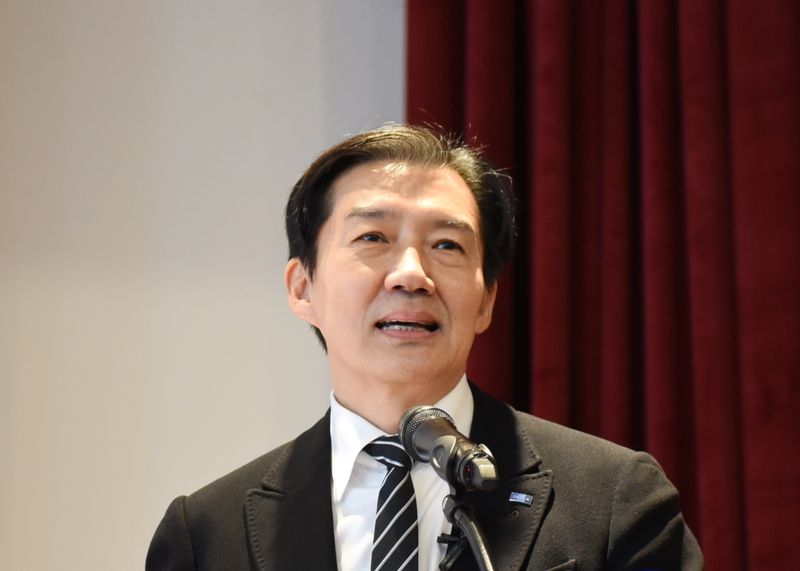
Lim Myeong-hui, a spokesperson for the Cho Kuk Innovation Party, said in a statement that Cho arrived at Haneda Airport at around 11:05 a.m., but the Immigration Services Agency of Japan denied him entry at 1:19 p.m. According to the party, Japanese authorities halted his entry screening, took him to a separate office, and interviewed him twice, for 50 minutes and 22 minutes respectively. They then issued a “notice of recognition” informing him that his entry was denied on the grounds that he met a reason for denial of landing under Japanese law.
Japanese authorities reportedly asked Cho to sign a waiver of his right to file an objection, but he refused, saying, “I will return to Korea, but whether to file an objection is my right, so I cannot waive it.” The consul general at the South Korean Embassy in Japan went to the scene and protested to Japanese authorities, but the decision to deny entry was not reversed.
As a result, all of Cho’s scheduled events in Japan were canceled, including the keynote address for the seminar “An Advanced Country in Social Rights: The Future of Korea’s Welfare State,” which he was due to deliver at Meiji Gakuin University on the 18th, a meeting with Japanese academics, and a luncheon with Korean correspondents based in Tokyo. The Innovation Party criticized the decision as “an unprecedented case of denying entry to a public figure attending an academic event at the official invitation of a Japanese university,” adding, “We cannot help but ask whether this is being applied equally to all entrants.” It continued, “At a time when the governments of both countries speak of a ‘future-oriented relationship,’ the Japanese government’s shutting the door on academic exchanges contradicts its own words,” and called for an official apology and measures to prevent a recurrence.
The party also urged the South Korean government, saying, “This incident, in which someone who has served as the leader of a political party was denied entry, must not be taken lightly,” and calling on it to lodge a strong protest with the Japanese government and secure an official explanation.
[email protected] Jiwon Song Reporter