AI Glasses Exploited for ‘Cheating’... E-Commerce Industry Also in a Bind
- Input
- 2026-11-18 09:08:26
- Updated
- 2026-11-18 09:08:26
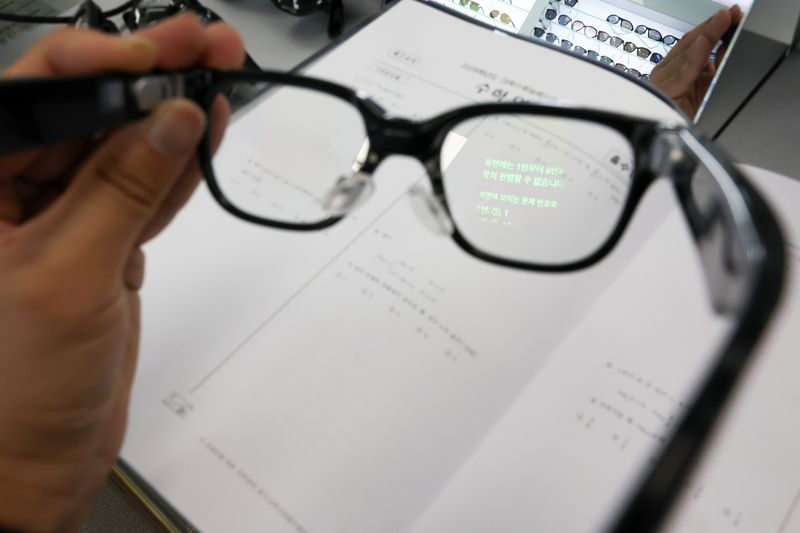

[Financial News] The misuse of AI glasses and miniature earbuds to cheat on exams is becoming increasingly common, deepening the e-commerce industry’s concerns. As controversy over the sale of these products grows, companies have stepped up product monitoring and other measures. But because the products themselves are not illegal, there are limits to restricting their sale, leaving the industry at a loss.
On the 18th, Financial News checked major e-commerce platforms in South Korea and found that products such as “AI glasses” and “miniature earbuds” were still being sold. Product pages featured claims highlighting their everyday uses and convenience, such as “record what’s happening at home while you’re out” and “won’t strain your ears.”
E-commerce companies currently use their own policies to restrict the sale of certain products that could be used to invade privacy or commit illegal acts. Coupang designates disguised cameras that make it difficult to tell whether they are recording as items prohibited for sale under its policies, while Gmarket and 11st also have rules restricting the sale of miniature hidden cameras and similar products.
The problem is that AI smart glasses and miniature earbuds, which have recently drawn controversy after being used for cheating and other misconduct, are not illegal products in themselves. There are no provisions under current law banning the sale of these electronic devices, and they can also be used for legitimate purposes, making it difficult to impose a blanket sales ban solely because they could be misused.
Major companies are therefore stepping up their own oversight, including restricting search terms and advertising copy that encourage cheating. Coupang is understood to have blocked search terms that evoke exam cheating, such as “AI glasses for exams,” so that they do not appear in search results. Gmarket also posted a notice on its seller product-management site (ESM+), urging caution in the sale and advertising of related products.
In its notice, Gmarket said that “cheating on exams using digital devices such as miniature cameras, AI glasses and smart glasses, and miniature earbuds is emerging as a social problem,” and listed disguised miniature cameras that make it difficult to tell whether they are recording among the items prohibited for sale. It said it would not restrict sales of AI glasses themselves, but would prohibit the use of terms related to cheating, such as “for exams” and “cheating.” It added that if a policy violation is confirmed, it would take measures such as suspending the sale of a product or restricting the seller’s account.
11st has also designated terms such as “spy camera,” “hidden camera,” and “eavesdropping” as prohibited search terms to prevent related results from appearing, while stepping up monitoring of product pages. SSG.COM will conduct a comprehensive review of listings for AI smart glasses. It will check whether product pages contain language suggesting the products are disguised devices or intended for exam cheating, and is also considering tighter sales-management rules, including restricting product listings that use related keywords.
The industry broadly agrees that platforms have limited options for responding, even with these measures. Since the products themselves are not illegal, it is difficult to restrict their sale across the board. Companies have no choice but to rely on their own measures, such as blocking advertising copy and search terms that encourage cheating and strengthening monitoring.
One industry source acknowledged, “It’s like trying to ban kitchen knives themselves because a knife sold at a variety store was used in a crime. Since the products themselves aren’t illegal, it’s difficult to restrict their sale solely because they could be misused, so the industry has limited options for responding.”
As controversy over the sale of these products grows, the industry is also finding itself in a difficult position. However, companies say they will cooperate fully if relevant agencies request their cooperation or issue recommendations.
Another industry source emphasized, “We’re taking the minimum measures we can on our own, but there are practical difficulties in doing more. If relevant agencies make requests or recommendations concerning these products, we’ll cooperate fully.”
[email protected] Jang Yu-ha Reporter