“A Perfect SAT Score for 670,000 Won”... AI Cheating Rocks Test Centers in the US, UK, France and Beyond
- Input
- 2026-11-17 15:21:19
- Updated
- 2026-11-17 15:21:19
According to The New York Times (NYT), the College Board, which administers the SAT, identified four test takers who sat the exam using malware called “Auto SAT” in March. The program bypassed the screen-lock feature on the digital SAT, accessed test questions in real time and sent them to an AI chatbot, which displayed the answers on the test takers’ computer screens. For multiple-choice questions, it indicated the correct answer by displaying a small dot on the screen, and it also provided answers to open-ended questions.
Auto SAT was promoted on social media as “a sure way to get a perfect SAT score.” It sold for $499 (about 670,000 won) and could be paid for only in cryptocurrency. After learning about the program, the College Board bought it directly, changed the design and code of its testing system to prevent the program from working properly, and filed a lawsuit against its developer.
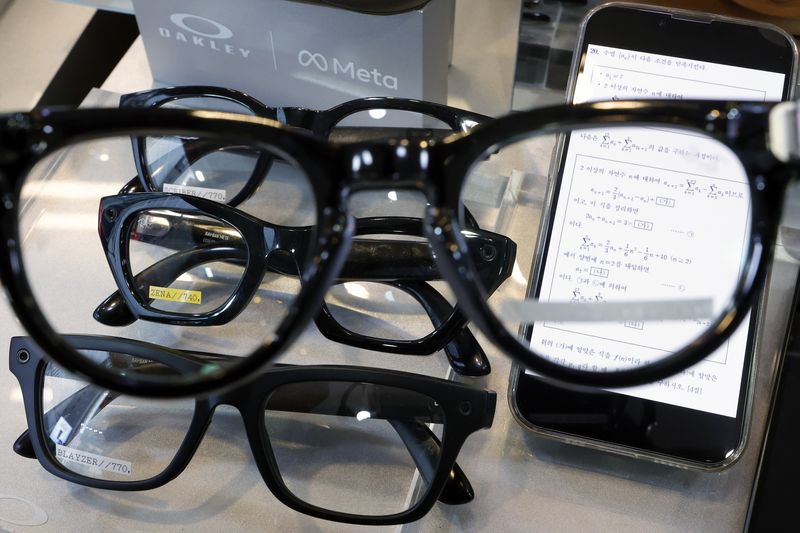
After recognizing the seriousness of the situation, the College Board also formally banned smart glasses at SAT test centers in March. In July, it expanded the ban to all glasses capable of connecting to the internet or accessing AI features. It also allowed proctors to require test takers wearing glasses to undergo an inspection.
Some regions have stepped up security measures, including beginning to track test takers’ keystrokes and mouse movements during exams. It was also reported that a new SAT schedule is planned for next year to prevent so-called “time-zone cheating,” in which test takers who sit the exam earlier exploit time differences between countries to leak questions.
Cheating on exams using smart devices has become a serious problem not only in the US but also in the UK, France and elsewhere.
The UK exam regulator Ofqual announced, “There were 2,225 cases of cheating involving mobile phones and smart devices in major academic assessment exams held last summer, accounting for 44.3% of all student cheating.” Ofqual emphasized, “Cheating with the latest advanced smart devices is becoming an increasingly serious threat,” and said, “We must not underestimate it and must respond swiftly.”
According to France’s Ministry of Education, 1,208 cases of exam cheating were detected last year, reportedly 273 more than the previous year. Of the 833 cases referred to the disciplinary committee for the baccalauréat, France’s university entrance qualification exam, 55.04% involved smartphones or smartwatches, while 8.5% involved cheating using AI.
All of France’s education authorities have deployed mobile phone detectors to prevent cheating using internet-connected devices. The detectors are placed at exam centers at random during written exam periods, and any exam in which cheating is detected is reportedly invalidated. In February, French education authorities amended an enforcement decree to allow penalties for cheating detected after an exam had ended. The penalties were also reportedly strengthened, with offenders barred from sitting any exams for the baccalauréat for up to five years.
[email protected] Hong Chae-wan Reporter