Three-Pronged Growth—Plant 5, the U.S. and Peptides: Samsung Biologics Opens a Second Act of Growth
- Input
- 2026-11-17 14:10:31
- Updated
- 2026-11-17 14:10:31
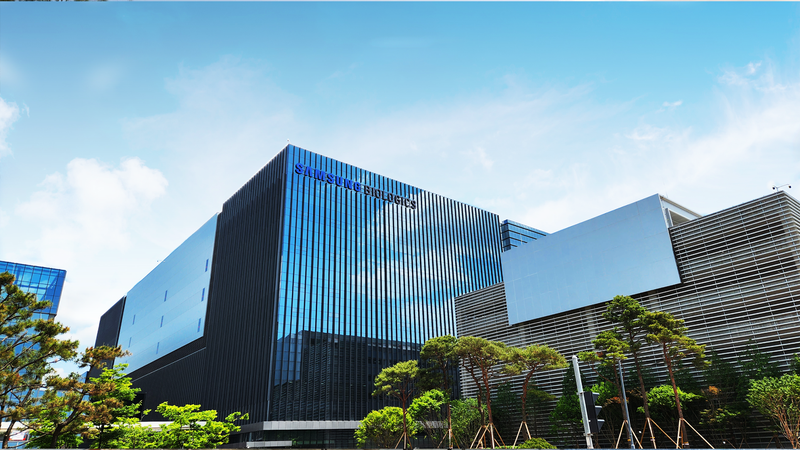
According to securities and biotech industry sources on the 17th, Samsung Biologics' 2027 revenue is forecast at around 6.3 trillion won, with operating profit in the 2.6 trillion won range. Revenue estimates from two brokerages put the figure at 6.2906 trillion to 6.3297 trillion won, up 13.1% to 14% from the previous year. Operating profit is expected to rise 9.2% to 11%, to between 2.6203 trillion and 2.6853 trillion won.
The expansion of production facilities underpins this growth outlook. With Plants 1 through 4 having entered a stable operating phase, Plant 5 is expected to begin commercial production, bringing the benefits of expanded capacity into the company's results. In effect, the company is entering a new phase of growth, increasing production further through new facilities rather than relying on higher utilization at existing plants.
Plant 5 is expected to begin producing commercial products in the second half of 2027.
One brokerage estimated that Plant 5 would generate about 289 billion won in revenue in 2027. It forecast, however, that revenue contributions would build gradually at first, depending on the start of production and the production schedules for client products, and that the profitability gains from higher utilization would gather pace from 2028.
The U.S. production base is another pillar of business expansion. Securing local production facilities would enable the company to meet clients' demand to diversify supply chains for the U.S. market and reduce supply-chain uncertainty stemming from pharmaceutical tariffs and geopolitical factors. The expansion of its business areas is also drawing attention. Analysts have projected that revenue could reach about 7.2 trillion won in 2027 if the effects of its acquisition of Polypeptide Group are reflected in consolidated results.
The peptide business is particularly closely tied to the growth of the obesity and diabetes drug market. Polypeptide Group generated 57% of its total revenue in 2025 from producing peptides related to metabolic diseases, and analysis showed that 7 of its 37 related projects had entered Phase 3 clinical trials. If projects in late-stage clinical development advance to commercial production, the resulting increase in production volumes could also improve the business's profitability. One brokerage said that, assuming operational efficiencies and other factors, Polypeptide Group's standalone operating margin could rise to 20% in 2028.
However, expanded production facilities and new businesses will not immediately translate into improved results. Key factors will be how quickly utilization rates at new plants can be raised, whether new clients are secured at the U.S. production base, and whether peptide clinical projects lead to commercialization. Uncertainty over production operations, including labor-management disputes, also remains.
An industry source said, “Samsung Biologics' growth strategy is evolving beyond expanding production scale toward diversifying by region and product range,” and forecast that “whether it can build a structure combining its large-scale production capabilities centered on antibody drugs with U.S.-based manufacturing and peptide CDMO to respond to changes in global clients' supply chains and product demand will determine its competitiveness going forward.”
[email protected] Jung Sang-hee Reporter