Bringing AI to Small Manufacturers' Factory Floors... TIPA Selects 10 Process Optimization R&D Projects
- Input
- 2026-11-17 11:14:32
- Updated
- 2026-11-17 11:14:32
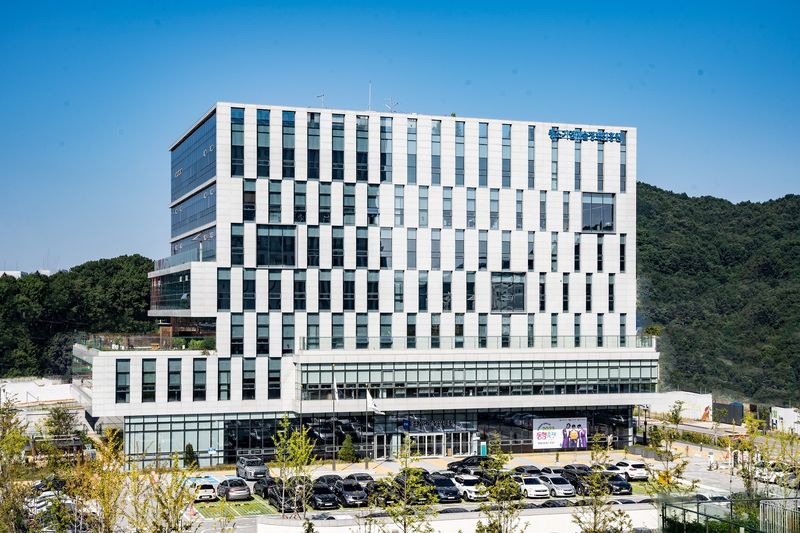
Industry sources said on the 17th that the Korea Technology and Information Promotion Agency for SMEs (TIPA) selected 10 projects this year for support under its “Standard Process-Based Process Optimization R&D” program. Each selected project will receive up to 1 billion won in government grants over two years.
The core of the program is to use manufacturing process reference models to analyze production processes at small and medium-sized manufacturers, identify areas for improvement, and translate them into technology development. Specialized research institutes and SMEs work together to diagnose problems on the factory floor and develop process optimization technologies using AI and other tools.
This year, TIPA analyzed 80 manufacturing process reference models across five fields: metal and root industries, non-metallic materials, products made through reaction processes, electrical and electronic equipment, and machinery. Based on this analysis, it conducted on-site assessments at 60 small and medium-sized manufacturers and selected 10 projects in which demand for technology development had been confirmed.
The selected projects include automated control technology for transformer manufacturing processes and AI inspection technology for automotive parts. Daewoo Jungjeonki, which is working with the Korea Electronics Technology Institute (KETI), will develop technology for automatically controlling process conditions and detecting anomalies in transformer manufacturing. Cheongha, which identified the project with the Korea Textile Machinery Convergence Research Institute, will apply AI vision inspection technology to the automotive armrest manufacturing process.
TIPA plans to support the use of individual companies’ technology development results at other manufacturing sites as well. It aims to identify common needs for process improvements based on manufacturing process reference models and spread the technologies developed to companies with similar manufacturing processes.
Next year, TIPA will also identify process optimization technology development projects that meet on-site needs. In December, it plans to announce, through the Smart Factory Project Management System, the reference model items eligible for preliminary research and process optimization consulting in 2027. In January next year, it plans to recruit companies interested in taking part in on-site assessments.
Kim Young-shin, head of TIPA, said, “I hope this project will help resolve problems at small and medium-sized manufacturers’ sites and strengthen their manufacturing competitiveness. We will support technology development based on on-site needs and work to spread outstanding process technologies to a range of manufacturing sites.”
[email protected] Lee Ju-mi Reporter