Gwangju Special City: “Apply for the Resident Group Participation Forest Creation Project”
- Input
- 2026-11-17 09:13:23
- Updated
- 2026-11-17 09:13:23
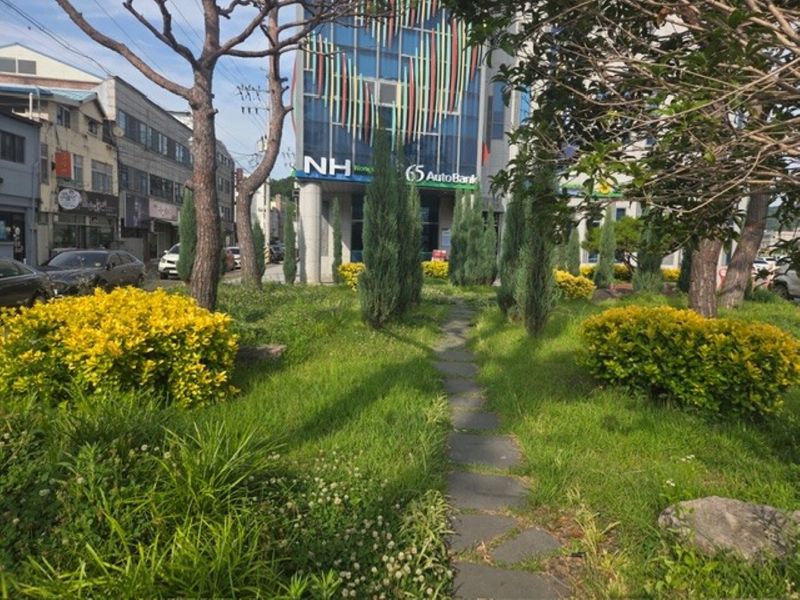
[Financial News, Jeonnam-Gwangju = Hwang Tae-jong, Staff Reporter] “Apply for the 2027 Resident Group Participation Forest Creation Project.”
Jeonnam-Gwangju Integrated Special City (Gwangju Special City) is recruiting resident groups and nonprofit organizations to take part in the “Resident Group Participation Forest Creation Project,” which enables residents to propose forest creation and participate in its management to expand green space in residential areas.
The project aims to create forests where residents can plant and tend trees themselves in their neighborhoods and enjoy rest and leisure, while helping to revitalize local communities. Applications will be accepted through the 20th at the forestry departments of cities, counties and districts. The total project budget is 1 billion won, funded 50% by Gwangju Special City and 50% by city, county and district governments.
Gwangju Special City launched the project in 2015 and has created forests at about 490 sites to date. At present, 478 organizations and around 16,000 “forest caretakers” are taking part in ongoing maintenance and care activities.
Kang Shin-hee, director of Gwangju Special City’s Forest and Garden Bureau, emphasized, “The Resident Group Participation Forest is highly meaningful because residents themselves create and care for the forests our villages need.”
The “2027 Resident Group Participation Forest Creation Project” is open to resident groups of five or more people, nonprofit organizations and others. Selected organizations will take part directly from forest creation through management. Applications may be submitted not only for new forests, but also for spaces where existing forests can be improved or refurbished to make them more convenient for residents to use.
Gwangju Special City plans to prioritize identifying neighborhood spaces that are convenient for residents to use. In particular, it will select project sites from areas where tree planting accounts for a large share and that offer significant potential to expand green space. It also plans to take local conditions into account, including by awarding additional points to areas that need green spaces in residential neighborhoods.
Kang Shin-hee, director of the Forest and Garden Bureau, said, “I hope resident groups and organizations who want to transform unused spaces in their communities into beautiful green spaces will show great interest and take part.”
[email protected] Hwang Tae-jong Reporter