Council Member Go Byeong-su Urges Use of Smart Remote Meter Reading to Prevent Solitary Deaths
- Input
- 2026-11-17 07:48:08
- Updated
- 2026-11-17 07:48:08
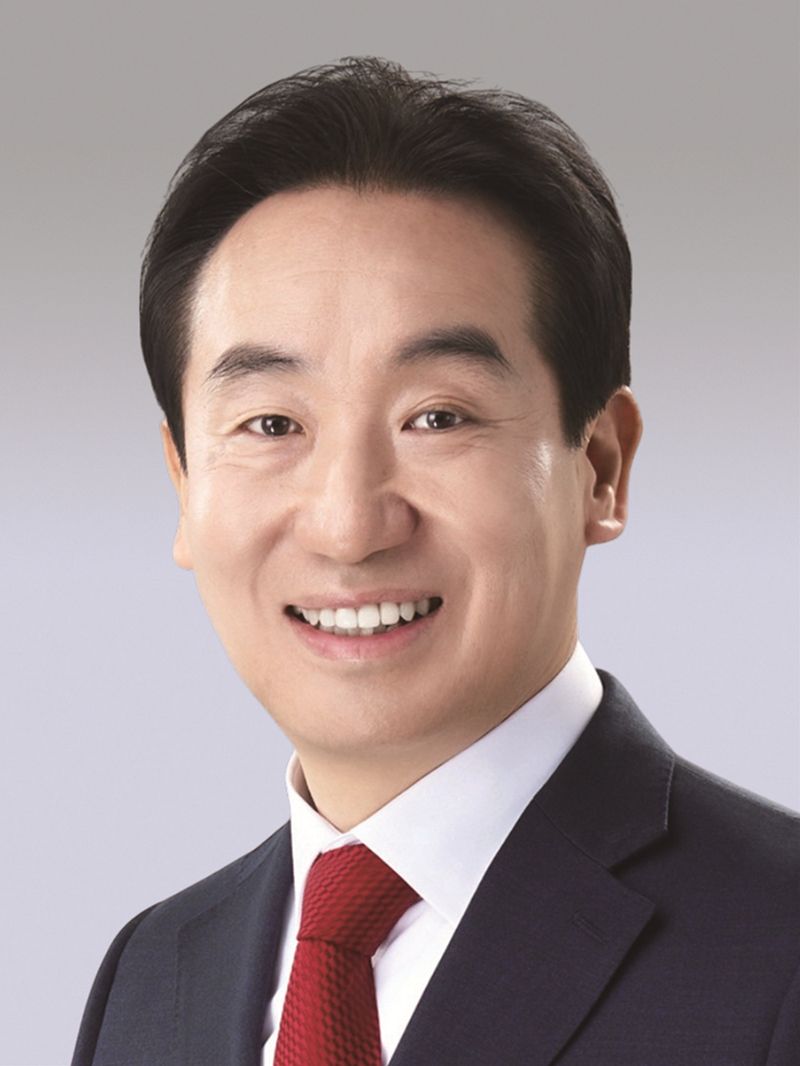
【Financial News, Daegu = Reporter Kim Jang-wook】“We must make every effort to build a safe Daegu with no solitary deaths by combining smart remote meter-reading data with artificial intelligence (AI).”
At an administrative audit of the Waterworks Headquarters on the 16th, Go Byeong-su, a member of the Daegu Metropolitan Council’s Construction and Transportation Committee representing Nam-gu 2, called for a safety net to prevent solitary deaths using a smart remote meter-reading system. He also demanded thorough improvements to delays in the remote meter-reading rollout and frequent failures of digital meters.
Council member Go noted that, unlike in-person meter readings that involve visual checks during site visits once every month or two, smart remote meter reading can automatically measure and collect water consumption in real time.
He stressed that the accumulated meter-reading data should be fully integrated with welfare administration, given that the Waterworks Headquarters had already introduced remote meter reading linked to preventing solitary deaths in 2019 through its “Lifecare Project for Vulnerable Groups.”
In particular, Council member Go stressed, “Smart remote meter reading must evolve beyond a project to simply improve the efficiency of water meter readings and become a core social safety net that protects citizens’ lives.”
He also urged the city to actively work toward “building a Daegu with no solitary deaths” by thoroughly improving meter quality and establishing a comprehensive welfare coordination system through interdepartmental cooperation.
Council member Go also proposed specific measures. He suggested building a system that receives data from the smart meter-reading system three times a day, analyzes it using AI, classifies abnormal signs such as sharp drops in consumption into seven risk groups, and sends the information to the relevant local government’s welfare department for an on-site check.
The goal is to prevent solitary deaths and build a safer Daegu through close cooperation between the Waterworks Headquarters and welfare departments at the city, district and county levels.
Council member Go also pointed to slow progress in building the infrastructure that must come first, as well as problems with equipment quality.
The Waterworks Headquarters set a goal of achieving 100% remote meter-reading coverage across Daegu by 2028, with a total project budget of 92.4 billion won. However, after 21.5 billion won had been spent over the past 10 years, the cumulative rollout stood at just 24.3% (74,158 meters), falling short of even one-third of the original year-end target of 65.8%.
Only 4,000 meters were included in next year’s plan, about one-fifteenth of the original target of 46,000, making a complete overhaul of the medium- and long-term plan unavoidable.
The annual failure rate for installed digital meters is also around 10%. Council member Go noted that at least 30% of the 294 meters used by high-volume water users and replaced over the past two years had to be replaced early because of defects such as dead batteries and faulty displays, and called for rigorous quality control of supplied products.
[email protected] Kim Jang-wook Reporter