Korea Patent Attorneys Association: “Opposes Patent Discovery Without a Confidentiality Privilege for Patent Attorneys” [Urgent Statement]
- Input
- 2026-11-16 18:42:55
- Updated
- 2026-11-16 18:42:55
[Financial News] The Korea Patent Attorneys Association called for legal safeguards to protect confidential consultations between patent attorneys and companies to be put in place before introducing a discovery system to strengthen evidence gathering in patent infringement lawsuits. It said that expanding evidence-disclosure procedures without guaranteeing confidentiality could expose companies’ technical information during litigation.
The Korea Patent Attorneys Association issued an urgent statement on the 16th, saying it opposed introducing a discovery system under the Patent Act before the Patent Attorneys Act is revised to establish patent attorney-client privilege (ACP).
Discovery is a system for obtaining materials held by the opposing party in patent infringement lawsuits to prove whether infringement occurred and the amount of damages, among other things. The Ministry of Intellectual Property is pursuing amendments to the Patent Act that would strengthen procedures for expert fact-finding and the submission of materials, among others, to address difficulties in proving patent infringement.
The Korea Patent Attorneys Association said it supported the goal of strengthening evidence gathering, but maintained that safeguards to protect confidential consultations with companies must also be established. It voiced concern that foreign companies or non-practicing entities (NPEs) could use evidence-disclosure procedures to access domestic companies’ core technologies or trade secrets, or increase the burden of litigation.
Patent attorney-client privilege is a system that allows confidential communications between clients, such as companies, and patent attorneys, as well as related materials, to be withheld from disclosure within certain limits. The Korea Patent Attorneys Association noted that if consultation contents could be disclosed during litigation, companies might find it difficult to provide patent attorneys with sufficient technical information, which could also constrain their ability to respond to patent disputes.
The Korea Patent Attorneys Association urged the Ministry of Intellectual Property and the National Assembly to promptly finalize revisions to the Patent Attorneys Act and establish safeguards for confidential consultations before introducing the discovery system.
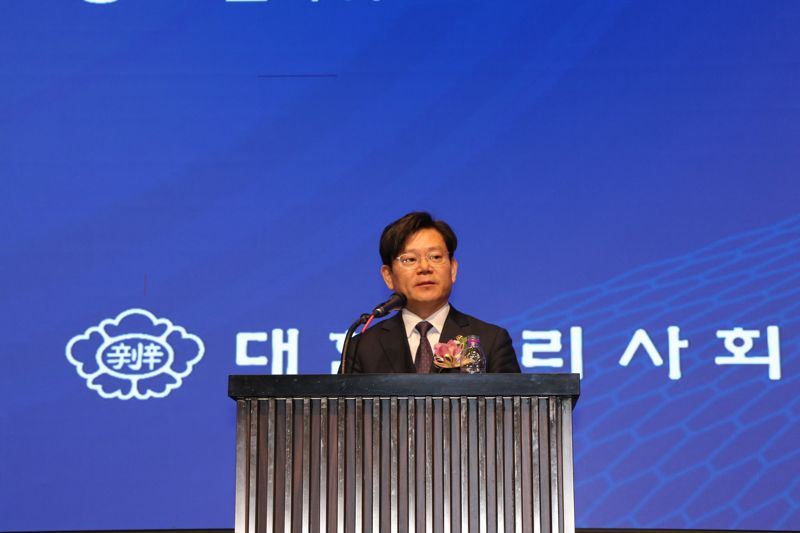
Jeon Jong-hak, president of the Korea Patent Attorneys Association (Photo) said, “Protecting companies’ technology and intellectual property is the reason the Ministry of Intellectual Property exists,” and stressed, “We must establish a balanced system that guarantees our companies’ right to receive professional assistance and protects their technical secrets.”
[email protected] Kim Mi-hee Reporter