REMEDI Clears Philippine FDA Hurdle... Accelerates Push Into the ‘Public Healthcare Market’
- Input
- 2026-11-16 13:58:21
- Updated
- 2026-11-16 13:58:21
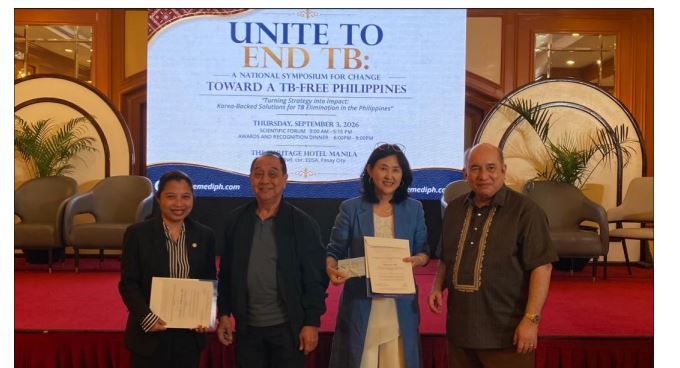
[Financial News] REMEDI, an AI-powered medical imaging diagnostics platform company, is accelerating its push into the Philippine public healthcare market. After conducting tuberculosis screening for approximately 120,000 people locally, the company has also completed medical device registration, laying the groundwork for entry into the government procurement market.
According to REMEDI on the 16th, its ultra-compact portable X-ray, the REMEX-KA6, was issued a Class C Medical Device Registration Certificate (CMDR) by the Philippine Food and Drug Administration (FDA) on the 11th. The registration is valid through November 2031.
The registration is significant because it provides an institutional foundation for expanding the supply of public healthcare equipment beyond local field validation.
In November 2024, REMEDI supplied equipment to the Philippine Tuberculosis Society, Inc. (PTSI) through the Innovative Product Overseas Support Program run by Korea's Public Procurement Service (PPS). Field validation was completed at eight branches nationwide, and the company says a total of 14 sets are currently in operation.
According to PTSI, approximately 120,000 people underwent tuberculosis screening using the equipment over the preceding year. The Philippines is a high tuberculosis-burden country, accounting for 6.8% of the estimated number of tuberculosis cases worldwide in 2024, according to the World Health Organization (WHO).
REMEDI plans to supply 29 units over the next three years through an official development assistance (ODA) project undertaken by Korea's PPS and the Philippine Department of Health. The initial batch is expected to be supplied to local governments in stages starting this month.
The first phase of the project also includes Lunit's AI chest X-ray analysis solution, Lunit INSIGHT CXR. The approach combines portable imaging equipment with AI analysis to screen people suspected of having tuberculosis and refer them for follow-up testing.
REMEDI provides installation, training and maintenance support through its local subsidiary. On this basis, it also plans to participate in the Philippine government's tender for tuberculosis screening equipment in the first quarter of 2027.
A medical device industry official said, “In emerging markets, procurement competitiveness in the public healthcare sector is determined not only by product performance but also by actual screening results and after-sales support capabilities,” adding, “The key question is whether REMEDI can turn its local field validation and regulatory approvals into government tender wins.”
[email protected] Kim Gyeong-a Reporter