Shut Down by a 157-km/h Fastball, Then Crushed by One 3-Run Homer... Japanese Media Bluntly Says, “Korea Hasn't Won in 11 Years”—A Grim Reality
- Input
- 2026-11-16 12:34:45
- Updated
- 2026-11-16 12:34:45
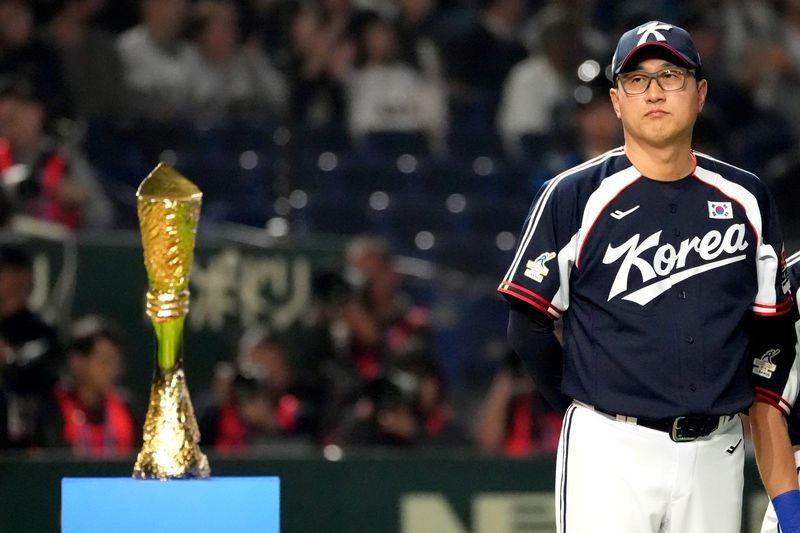
[Financial News] It has been 11 years. Over a span long enough for the landscape to change and more, South Korean baseball has not once managed to get past Japan's pitching.
The result and the performance were both a comprehensive defeat. As South Korean baseball once again bowed its head at TOKYO DOME in Tokyo, Japanese media zeroed in on an uncomfortable truth, citing “13 straight losses” and “11 years without a win.” The mood is that this was not simply one defeat, but effectively made “official” the overwhelming gap in Korean and Japanese baseball that has accumulated and become entrenched over many years.
Japanese sports publication Daily Sports ran a prominent headline immediately after the 2026 Asia Professional Baseball Championship (APBC) final on the 15th: “South Korea's national team suffers a humiliating 13th straight loss to Japan... No win in 11 years. Comprehensively beaten by Samurai Japan in the final for three consecutive tournaments.”
The South Korean national baseball team, led by head coach Wonho Choi, lost 1-5 to Japan in the final that day. In all three APBC finals held—in 2017, 2023 and this year—the team was stopped by Japan and finished as runner-up.
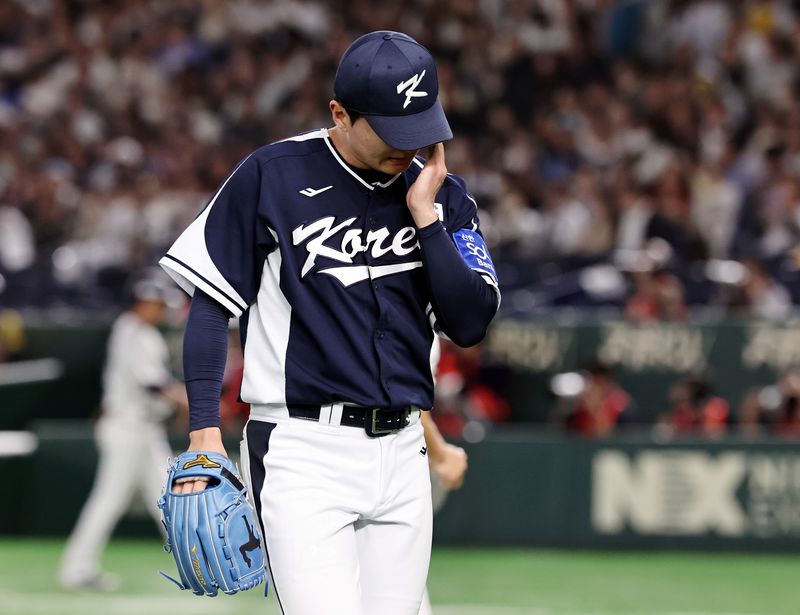
The first thing Daily Sports highlighted was South Korea's seemingly endless winless run against Japan. The last time South Korea beat Japan's national team, made up of the country's top professional players, was in the semifinal of the 2015 WBSC Premier12 in November (a 4-3 win). Since the “Battle of Tokyo,” when Lee Dae-ho hit a dramatic two-run go-ahead single in the top of the ninth, South Korea has gone 13 games without a win (one draw and 12 losses). The outlet did not hesitate to call this “humiliating.”
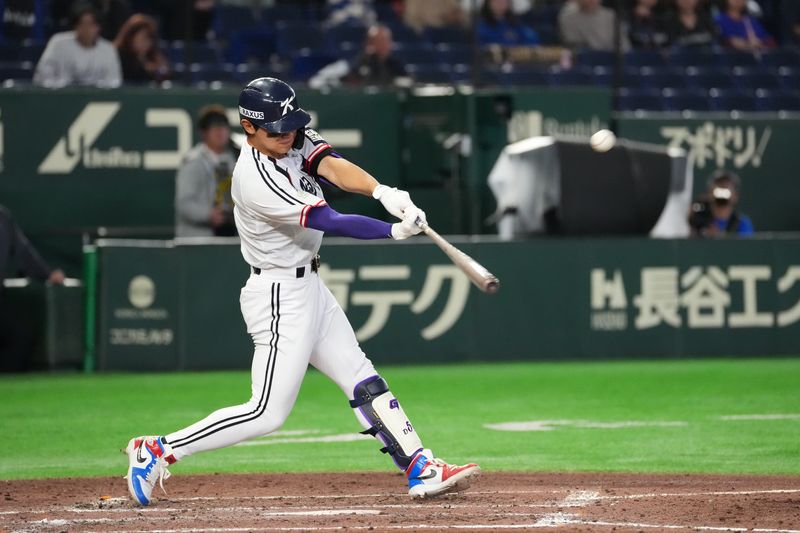
The assessment was painfully sharp. The outlet stressed that South Korea had been thoroughly outplayed. In fact, the Korean batters fell like autumn leaves against the fastball and sharp breaking pitches of Japan's starting pitcher Hiroto Takahashi, whose velocity reached 157 km/h. After leadoff hitter Kim Ji-chan reached on an infield single in the top of the first, not a single batter reached second base through the sixth. Against Takahashi, who pitched seven strong innings, allowing four hits and one run, South Korea's lineup managed just one hard-earned run on a pinch-hit RBI single by Ahn Jae-seok in the top of the seventh.
Daily Sports vividly described even the bitter sight of a silent TOKYO DOME amid the one-sided game, saying, “There weren't many moments for the South Korean fans seated in the stands on the third-base side to get excited about.”
Unlike South Korea, which struggled to produce runs, Japan's offense showed no mercy. Japan hit 12 home runs in four games at the tournament, scoring 35 runs in total, an average of 8.75 per game. In the final, after Misho Nishikawa's go-ahead solo homer in the first, Tomoya Masaki hit a three-run homer off Kim Gun-woo with no outs and runners on first and second in the fifth, putting the game out of reach. Highlighting Masaki's performance—five home runs in four games at the tournament—Daily Sports displayed undisguised confidence by using the term “kaeriuchi” (defeating an opponent who comes seeking revenge) to describe Japan beating South Korea again in the final after the group stage.
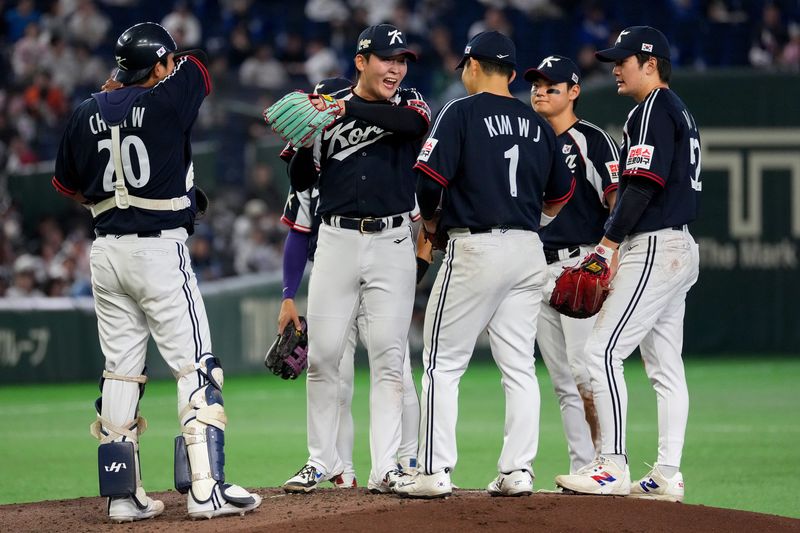
A look at the tournament's overall standings makes the reality even more painful. South Korea finished with one win and three losses. After consecutive losses to Australia (7-8) and Japan (5-9), it beat Taiwan (6-4) and scraped into the final on the TQB tiebreaker, only to collapse 1-5 to Japan again. In two games against Japan, South Korea scored six runs and conceded 14. Even in this matchup of under-24 players, intended to gauge the next generation of national-team talent, the team was left to reconfirm the devastating gap in ability.
The thrilling memory of bringing Japan down at TOKYO DOME 11 years ago has now faded into the distant past. The reality is that beating Japan even once has become an urgent, paramount task. The figures “11 years” and “13 straight losses” cited by Japanese media as South Korean baseball once again bowed its head at TOKYO DOME are piercing like a dagger more sharply than ever.
[email protected] Jeon Sang-il Reporter