8 Out of 10 SMEs Hire Foreign Workers Because They Cannot Find Korean Nationals
- Input
- 2026-11-16 12:00:00
- Updated
- 2026-11-16 15:15:10
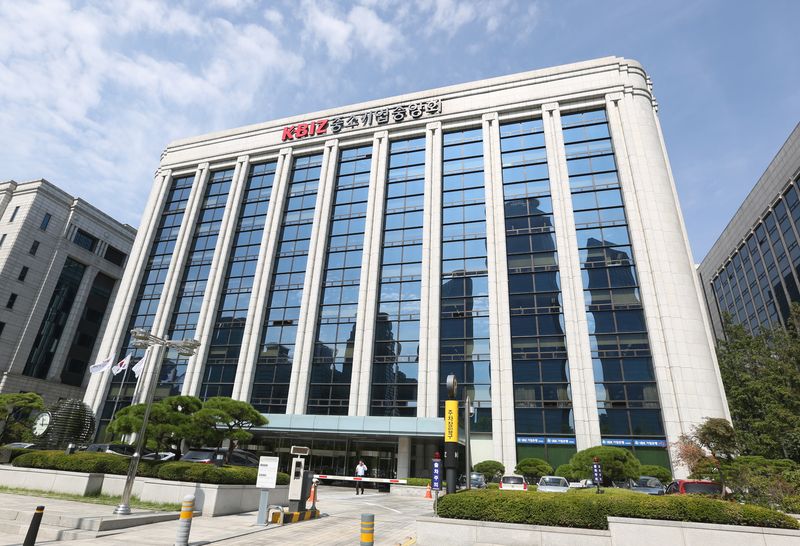
[Financial News] “I hope the foreign worker employment permit system will operate reliably, enabling foreign workers to fully acquire the necessary skills after entering the country and reach productivity levels on par with Korean workers.”
Eight out of 10 small and medium-sized enterprises hire foreign workers because they have difficulty recruiting Korean nationals, a survey found. However, foreign workers with less than six months of tenure are no more than half as productive as Korean workers, prompting calls for institutional improvements to encourage them to stay longer.
The Korea Federation of Small and Medium Business announced on the 16th the results of its “2026 Survey on Comprehensive Difficulties Related to Foreign Worker Employment,” conducted among 1,204 small and medium-sized enterprises that employ foreign workers. According to the survey, 83.6% of companies cited difficulty recruiting Korean nationals as a reason for hiring foreign workers. The share citing “labor cost reduction,” which stood at 13.4% last year, fell to 4.5% this year.
In particular, foreign workers’ productivity was found to be less than half that of Korean workers. The average labor cost for a foreign worker was 2,656,000 won, rising to 3,082,000 won when room and board were included. Salaries for foreign workers have steadily increased, from 2,131,000 won in 2024 to 2,165,000 won last year and 2,181,000 won this year.
By contrast, assuming Korean workers’ productivity is 100% under the same conditions, foreign workers’ productivity was just 41.1% during their initial period in the country (less than three months). Productivity among those with less than one year of tenure was also only 68.1%. Companies said an average probationary period of 4.3 months was needed to give foreign workers enough time to adjust to company life.
A total of 92.1% of small and medium-sized enterprises said the appropriate period of employment after arrival was “three years or more.” Asked about anticipated difficulties if foreign workers become eligible to change workplaces after a certain period, companies cited “lower productivity due to the departure of skilled workers” (94.7%) and “higher costs for hiring and training replacements” (75.2%), among other concerns. Suggested government measures included “promptly arranging replacement workers for workplaces losing employees” (81%) and “expanding incentives for long-serving workers and employers” (77.3%).
Yang Ok-seok, head of the Workforce Policy Division at the Korea Federation of Small and Medium Business, said, “This survey enabled us to confirm that small and medium-sized enterprises hire foreign workers not to reduce labor costs but to address difficulties recruiting Korean nationals, while facing low productivity in the initial period and the burden of employment costs.”
[email protected] Kang Kyung-rae Reporter