New Name for Ulsan's Flagship Festival Still Up in the Air... History and Culture vs. Industrial Identity in a Standoff
- Input
- 2026-11-16 11:15:51
- Updated
- 2026-11-16 11:15:51
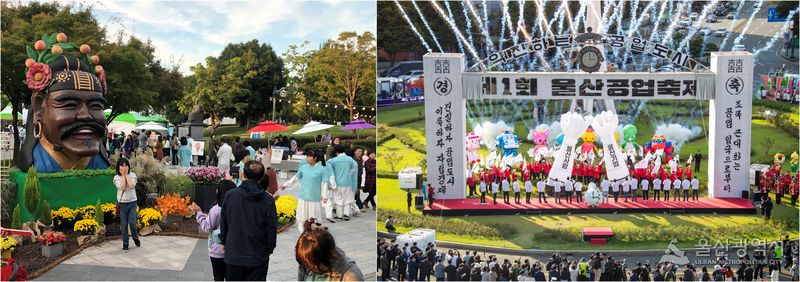
【Financial News, Ulsan—Reporter Choi Soo-sang】 Ulsan City’s survey to establish a new direction and name for the festival representing the region found that local opinions are sharply divided between two poles—‘history and culture’ and ‘the identity of an industrial city’—pointing to considerable difficulty in choosing a final name.
Ulsan City conducted a survey on the development direction and identity of its flagship festival, targeting a total of 151 organizations, including 39 major local institutions and organizations and 112 religious groups, from September 28 to October 31. It announced the results on the 16th.
The survey found that ‘Ulsan’s history and culture’ accounted for the largest share, at 23.2%, among the factors respondents said should be considered most important when choosing a name for the flagship festival (multiple responses allowed).
‘The identity of an industrial city’ and ‘citizen participation and engagement’ tied for second at 17.9% each. They were followed by ‘Ulsan’s unique character and distinctiveness’ and ‘tourism and city-brand competitiveness’ at 14.3% each, and ‘the values of integration and harmony’ at 12.5%.
These perceptions were also clearly reflected in the specific name proposals. Of the 30 recommendations submitted, four were related to Cheoyong (Cheoyong Festival, Cheoyong Culture Festival, Ulsan Cheoyong Industrial Festival and Ulsan Cheoyong Industrial Culture Festival), while ‘Ulsan Industrial Festival’ was proposed three times, showing a close contest between traditional cultural assets and the symbolism of an industrial capital.
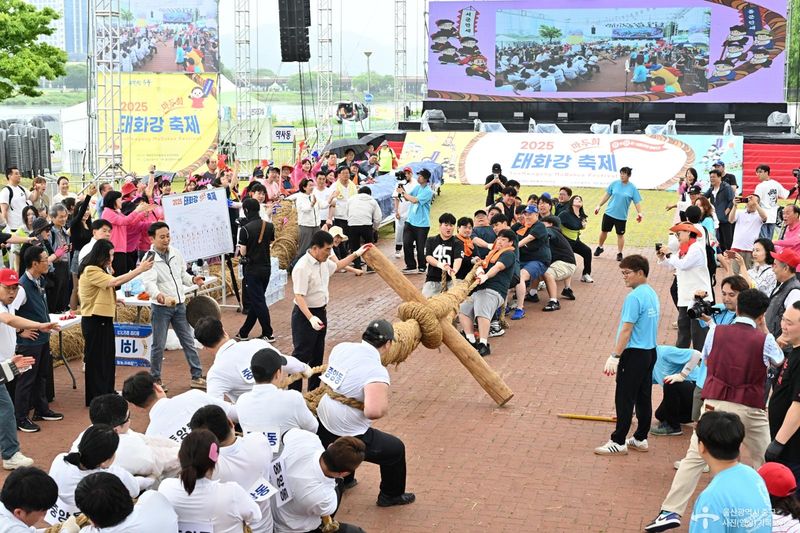
Notably, ecological and natural resources, including ‘Taehwagang River’ and ‘whales,’ are emerging as new alternatives between the two core values. The survey received proposals such as ‘Ulsan Taehwagang River Festival,’ ‘Ulsan Taehwa Grand Festival,’ ‘Ulsan River of Culture,’ ‘Ulsan Whale Narae Festival’ and ‘Ulsan Sea Whale Festival.’ In other words, they offer neutral alternatives that can bring together citizens and boost tourism competitiveness without leaning toward either historical roots or an industrial character.
However, the survey foreshadowed a difficult process before the name of the flagship festival can be finalized. Only 32 of the 151 organizations surveyed responded, a rate of 21.2%, leaving a limited sample for building broad consensus across the community. The 30 proposed names were also simply presented as a broad assortment, with no clear concentration of support around any one name.
In particular, views on using ‘Cheoyong culture,’ which had been one pillar of the existing flagship festival, were also divided: some supported developing it as a cultural asset unique to Ulsan, while others urged caution. Civic, labor, social and religious groups are also understood to have voiced views reflecting the respective leanings of former and current Ulsan mayors, making debate over the festival’s identity all but inevitable.
Based on the survey results, Ulsan City plans to establish the festival’s basic direction through future discussions by a flagship festival consultative body and broad public consultation. With the search for a name that can unite the region’s identity already facing obstacles from the outset, attention will be on whether the city can find common ground that delivers on all three priorities: history, industry and ecology.
[email protected] Choi Soo-sang Reporter