“The Fever Has Gone Down, So Why Am I Still Tired?”... 'Post-Viral Fatigue' Follows the Flu [Smart Wellness]
- Input
- 2026-11-16 16:01:41
- Updated
- 2026-11-16 16:01:41
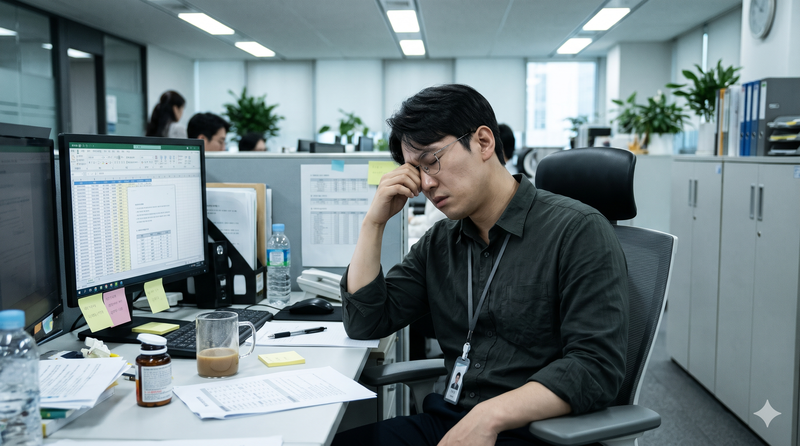
[Financial News] If the fatigue and lethargy weighing down your whole body persist even after your flu symptoms have disappeared, you are likely to have post-viral fatigue syndrome. To overcome the syndrome, you need time to recover and replenish depleted cellular energy, rather than returning to your daily routine as soon as your symptoms improve.
The fever is down and the virus is gone... but the body is still 'running on empty'
The flu is commonly viewed as an acute respiratory illness that ends once you get over it, but in reality, it can cause long-term effects throughout the body even months after infection.
A large follow-up study published in 2024 in the prestigious infectious disease journal The Lancet Infectious Diseases by a research team at Washington University School of Medicine in St. Louis, U.S., found that the flu, like the 'long COVID' that can follow COVID-19, can leave behind what is known as 'long flu,' causing fatigue, muscle pain, brain fog and other symptoms for an extended period even after treatment. The medical community classifies this persistent physical and mental exhaustion following a respiratory viral infection as post-viral fatigue syndrome (PVFS).
This syndrome is different from simply having low stamina. It occurs because widespread inflammation and an overloaded immune system, triggered by the body's fight against the virus, prevent the mitochondria—the body's energy powerhouses—from returning to normal function. Because the cells' energy-producing systems are paralyzed, severe lethargy, difficulty concentrating and pain throughout the body can persist even after sufficient rest.
“Do I need to sweat it out to get better?” ... High-intensity exercise during recovery can do more harm than good
When long flu sets in, some people go to the gym or try to force themselves to sweat through running, saunas or other activities because their bodies feel achy and stiff. But putting excessive physical strain on cells already exhausted by the immune response can trigger 'post-exertional malaise,' sharply worsening fatigue and potentially prolonging recovery by several weeks.
During this period, it is important to make a conscious effort to regulate your energy use. The idea is to use only about 60–70% of your usual energy level, treating it as 100%. So, for at least 1–2 weeks after being declared fully recovered from the flu, it is best to ease physical tension with light walks or stretching instead of vigorous aerobic exercise.
Replenishing cellular energy and sleep... nutrients that wake up mitochondria
To replenish tired cells, it is best to get enough nutrients that support mitochondrial metabolism. B vitamins promote energy production in the body and help you recover from brain fog by normalizing nerve signaling. Taking coenzyme Q10 and vitamin C, which reduce cell damage through their antioxidant effects, along with zinc, which helps immune cells recover, can speed up recovery.
[email protected] Kim Hyun-seon Reporter