Bill to Punish Distortion of the Jeju April 3 Incident Faces Hurdles in Assembly Review; Calls for Passage This Year
- Input
- 2026-11-16 10:21:05
- Updated
- 2026-11-16 10:21:05
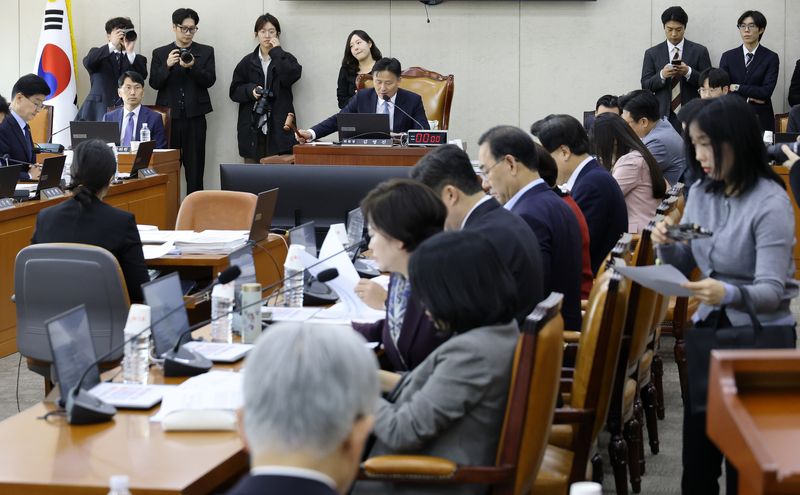
【Financial News, Jeju = Jeong Yong-bok】 An amendment to the Special Law that would punish the spread of false information about the Jeju April 3 Incident and allow honors awarded for unjust contributions to its suppression to be revoked is facing hurdles at the National Assembly review stage. The Jeju Provincial Council urged that the bill be referred to a subcommittee on the 17th and passed within the year, expressing concern that remedies for elderly victims and bereaved families could be delayed.
According to the National Assembly’s bill information system and the Jeju Special Self-Governing Provincial Council on the 16th, the “Bill to Partially Amend the Special Act on the Investigation of the Truth of the Jeju April 3 Incident and the Restoration of the Honor of Victims,” introduced as lead sponsor by Democratic Party of Korea lawmaker Kim Seong-beom on the 12th, was referred to the National Assembly’s Public Administration and Security Committee on the 13th. Eleven lawmakers, including Moon Dae-rim and Kim Han-kyu, joined as sponsors.
The amendment would establish a basis for punishing historical distortion of the Jeju April 3 Incident, revoke honors awarded for contributions to its suppression, and improve compensation and reparations procedures for elderly bereaved family members. However, the review schedule remains uncertain amid disagreements between the ruling and opposition parties over referring the bill to the subcommittee for review.
Following a statement on the 13th from the 13th-term April 3 Special Committee, the Jeju Provincial Council issued a statement in the name of its Speaker, Song Young-houn, on the 14th. Going beyond welcoming the bill’s introduction, it raised concerns about possible delays in the National Assembly’s review and called for passage during the regular session.
The main point of contention is criminal penalties for spreading false information related to the Jeju April 3 Incident. Article 13 of the current Jeju 4.3 Special Law prohibits spreading false information with the intent to defame victims, bereaved family members and others. However, it contains no separate penalty for violating this prohibition.
The amendment would prohibit spreading false information through newspapers, broadcasting, the internet, public gatherings and statements, among other means, and make violations punishable by up to five years in prison or a fine of up to 50 million won. It also excludes cases involving art, academic work, research, reporting and similar purposes from punishment.
The difference becomes clear when compared with systems for restoring the honor of victims of other major historical events in the country. Article 8 of the current Special Act on the May 18 Democratization Movement, etc. has, since 2021, prescribed up to five years in prison or a fine of up to 50 million won for spreading false information. It also provides exceptions to punishment for purposes including art, academic work, research and reporting.
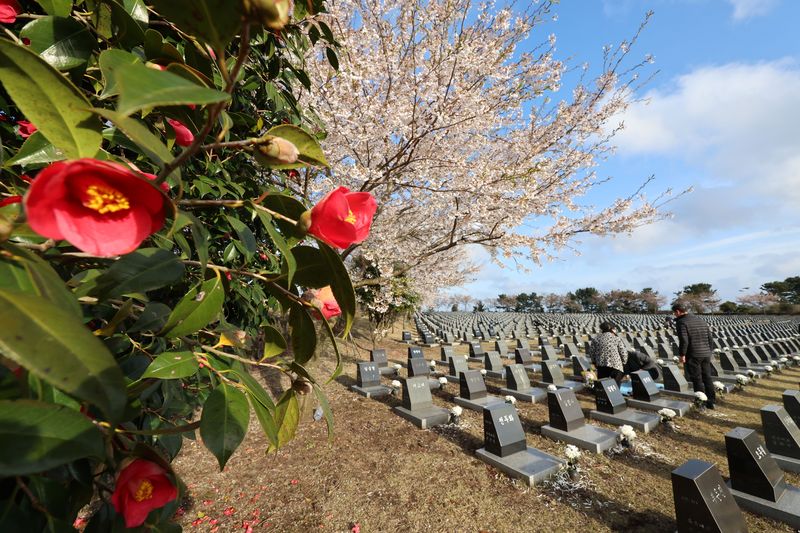
The amendment to the Jeju 4.3 Special Law also aims to establish criminal penalties at the same level. However, the criteria for determining whether information is false, the scope of punishment, and how to safeguard freedom of expression and academic and press freedoms are issues that must be considered during the National Assembly review.
The amendment also seeks to rectify honors awarded for contributions to suppression. If a truth-finding body or a final court judgment establishes that someone was involved in illegal human rights violations, such as massacres of civilians or torture, during the suppression of the Jeju April 3 Incident, the relevant honors could be revoked and the medals recovered.
The current May 18 Special Act also provides for revoking honors awarded for contributions to suppression and recovering medals and other awards. The aim is to establish a legal basis for correcting, in the case of the Jeju April 3 Incident as well, the contradiction between the state’s officially recognized truth-finding results and its system for awarding honors.
Improving procedures to provide remedies for elderly victims and bereaved family members is another key part of the bill. It would allow another eligible applicant to take over the process if an applicant dies while their case is under review, and establish special provisions concerning the deadline for claiming criminal compensation and when to exercise the right to claim state compensation.
Criminal compensation is a system under which a person who has been wrongfully detained or punished in criminal proceedings can seek compensation from the state if they meet the legal requirements. State compensation is a process for seeking compensation from the state for losses caused by unlawful acts in the course of official duties, among other things. The amendment aims to ease the time-related and procedural constraints victims and bereaved family members face when exercising these rights.
It would also revise special provisions to allow a person’s spouse, children, grandchildren and others to file an adoption report when someone who was in a de facto adoptive parent-child relationship has died, and strengthen procedures for notifying relevant parties in writing that a request for a retrial ex officio has been filed.
The amendment would also establish a basis for supporting the operation of the Jeju April 3 Victims’ Bereaved Families Association. It would allow the national and local governments to provide subsidies to the association and reduce or waive fees for the use of state-owned and public property. It also specifies the state’s responsibility to help heal the harm suffered by victims and bereaved family members.
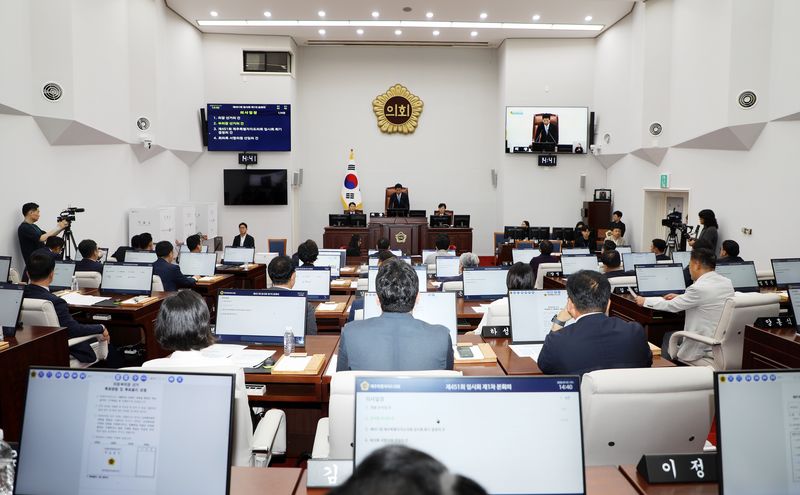
However, whether the bill takes effect depends on its passage by the National Assembly. At a press conference on the 13th, Democratic Party of Korea lawmakers from Jeju said the People Power Party was opposing the bill’s referral to the agenda and called on it to agree to the bill’s referral to the subcommittee on the 17th.
The Jeju Provincial Council also said disagreements over individual provisions should be distinguished from the bill’s review itself. The council said, “If there are disagreements over individual provisions, they should be resolved through formal review and discussion,” and pointed out, “Constitutional values such as clarity in the scope of punishment and freedom of expression must also be carefully considered, but disagreements should not be a reason to block the opportunity for review itself.”
The council also emphasized the potential impact of legislative delays on bereaved families. Its concern is that, as victims and bereaved family members grow older, delays in improving provisions on the transfer of application procedures and deadlines for seeking compensation and reparations could reduce their opportunities to use the system.
The council stressed, “Given the advancing age of surviving victims and bereaved family members, delays in legislation mean delays in access to remedies,” adding, “Even as the National Assembly puts off its decision, the time they have left is growing shorter.”
Earlier, on the 10th, the council adopted a resolution condemning remarks by National Human Rights Commission Chair Ahn Chang-ho concerning the Jeju April 3 Incident and calling for an official apology. This comes amid continued calls for institutional safeguards to protect the state’s official truth-finding results and the honor of victims.
Oh Eun-cho, chair of the Jeju Provincial Council’s April 3 Special Committee, called in a statement on the 13th for the National Assembly to pass the bill within the year. The committee also said that, after the law is amended, it will work with Jeju Province to revise related local regulations, secure funding and establish an administrative support system on the ground.
The amendment, referred to the National Assembly’s Public Administration and Security Committee, must still go through subcommittee review and a vote, review by the Legislation and Judiciary Committee, and a plenary vote. The immediate issue is whether the legislative effort to protect the historical truth of the Jeju April 3 Incident and strengthen remedies for elderly bereaved family members can actually begin formal review.
[email protected] Jeong Yong-bok Reporter