“Strengthening Public-Sector AI Transparency”... Korea Arboreta and Gardens Institute Certified as an “AI Ethics Compliance Institution”
- Input
- 2026-11-16 09:29:35
- Updated
- 2026-11-16 09:29:35
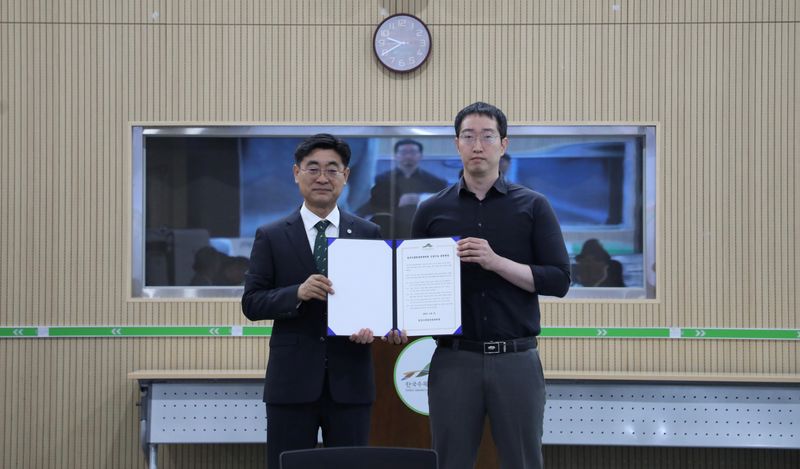
The Korea Arboreta and Gardens Institute said on the 16th that it had received the “AI Ethics Compliance Institution” verification mark from the National Information Society Agency (NIA).
The “AI Ethics Compliance Institution” verification mark is issued after a comprehensive review of whether an organization has established its own AI ethics principles, how well those principles are reflected in its actual work, and whether all employees have completed ethics training. The program was created to prevent adverse effects, such as algorithmic bias and information leaks, that may arise as AI adoption spreads across the public sector.
Before receiving this certification, the institute established an “AI Ethics Charter” last month and conducted ethics training for all employees. The charter sets out five core principles: respect for the value of people and nature; fairness and inclusiveness; transparency and explainability; reliability and human management and oversight; and accountability and continuous improvement.
In particular, it requires that major decisions that could affect the public’s rights and interests not rely solely on AI judgments, but also undergo review and oversight by the responsible staff. It also stipulates that service users must be clearly informed about the use of AI and its technical limitations, and includes standards for rigorously protecting sensitive plant-resource data, such as the locations of rare plants’ native habitats, which are at high risk of unauthorized collection or damage.
The use of smart forestry services is growing rapidly in the arboretum and garden sector, including analysis of vast amounts of forest biological resource data, early pest and disease surveillance, and AI-based garden interpretation tailored to visitors. At the same time, concerns have been raised that indiscriminate exposure during AI training of habitat coordinates for endangered wild plants or information on unique genetic resources could disrupt ecosystems and lead to illegal overharvesting. The ethics charter is seen as establishing clear safeguards between digital innovation and biodiversity conservation while reflecting the distinctive needs of public forestry institutions.
At a recent charter proclamation ceremony, labor and management representatives of the institute read the charter together and pledged to use AI safely and responsibly. The institute plans to post the charter on its website and at its affiliated arboreta, clarify responsibilities for reviews before and after each task, and make AI ethics training for employees a regular practice.
Sim Sang-taek, president of the Korea Arboreta and Gardens Institute, said, “The people who visit arboreta and gardens, as well as the plant resources and nature we must protect, should take priority over any AI technology. By rigorously applying the ethics charter throughout every stage, from service planning to operation, we will create trusted AI services that the public can use with confidence.”
[email protected] Kim Won-jun Reporter