[Editorial] U.S. Air Travel Grounded; Infrastructure Must Be Upgraded, Including Redundant Air Traffic Control Networks
- Input
- 2026-11-15 19:28:49
- Updated
- 2026-11-15 19:28:49
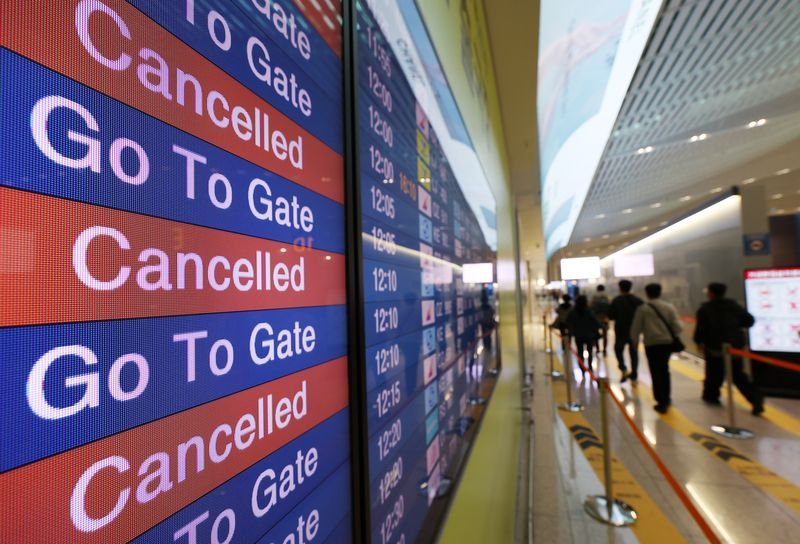
The impact went beyond inconveniencing passengers. Some aircraft were diverted. Disruptions affected everything from the weekend travel of National Basketball Association (NBA), National Hockey League (NHL) and college football teams to air cargo shipments. When air traffic control communications go down, the movement of people and goods can be halted all at once.
We cannot dismiss this as someone else’s problem. Similar disruptions have already occurred in South Korea. On the 30th of last month, a disruption to the global communications network operated by U.S. company Airlink, which airlines use, stranded thousands of passengers at Incheon International Airport and delayed the operations of dozens of flights. Until the system recovery work was completed, Incheon International Airport was in complete chaos.
The fundamental problem of multinational connectivity networks also warrants closer examination. With such networks, disruptions overseas can be transmitted domestically as the same problem, and this could happen again at any time. The Microsoft (MS) 365 outage on the 12th (local time) was another example demonstrating that if a single overseas platform goes down, domestic operations can stop as well. A multinational network structure that depends on a single overseas platform is itself a supply chain risk.
The answer lies in building redundancy and emergency response systems. The aviation industry says that, because this incident exposed structural vulnerabilities in U.S. air traffic control infrastructure, systems should be made redundant and emergency response capabilities strengthened going forward. Even from a national security standpoint, the need to strengthen our air traffic control systems cannot be overstated, as we face the constant threat of North Korea jamming the Global Positioning System (GPS).
There are also objections to redundancy. Critics argue that it ties up money in equipment that is not used under normal circumstances, amounting to redundant investment, and that fiscal resources are already tight. However, although air traffic control disruptions are rare, when they do occur they cause both passenger and cargo losses and a decline in national credibility. This time, too, an outage lasting more than four hours grounded U.S. air travel and disrupted airports overseas. The lower the probability of a risk and the greater its potential damage, the less costly it is to invest in advance than to respond after the fact. Redundancy should be viewed as insurance, not waste.
The Ministry of Land, Infrastructure and Transport should conduct a comprehensive inspection of the level of redundancy in domestic air traffic control communications networks and the condition of aging equipment, and make the findings public. Manuals should also be improved so that when overseas disruptions delay or cancel flights departing from South Korean airports, passengers are promptly informed of the situation and alternative flights. The National Assembly should prioritize air traffic control and navigation infrastructure in its review of next year’s budget. Funding should be found by restructuring underperforming programs. The reliability of air travel depends on preparation in normal times.