Fallout From Nationwide U.S. Flight Suspension Continues... FAA: “Back to Normal by the 15th”
- Input
- 2026-11-15 18:07:38
- Updated
- 2026-11-15 18:07:38
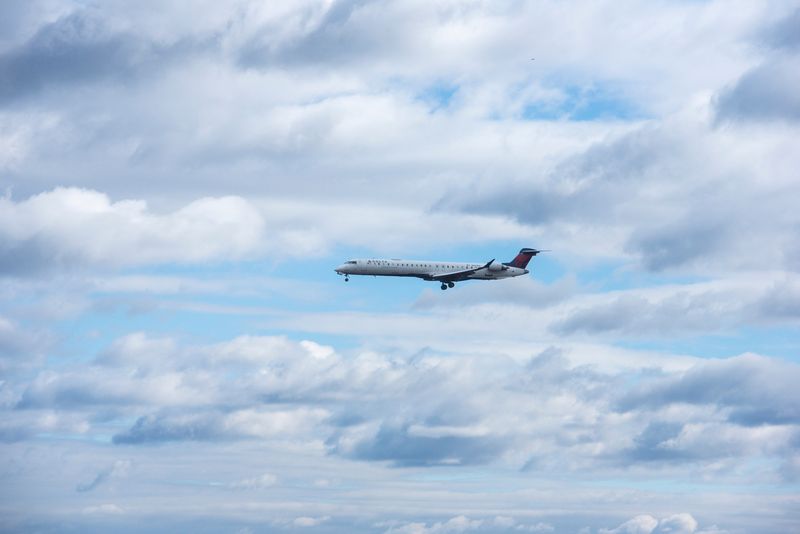
According to flight-tracking website FlightAware, about 4,100 flights in the United States had been canceled as of 11:05 a.m. on the 14th. British media reported that more than 7,000 flights were disrupted that day, with over 4,000 canceled and about 3,000 delayed. In fact, major U.S. airlines including Delta Air Lines, United Airlines and American Airlines canceled about 20% of their scheduled flights that day, while the cancellation rate at low-cost carrier JetBlue reached 40%. The previous day, the 13th, more than 31% of all flights—around 8,200 in total—were canceled, according to aviation data provider Cirium.
FAA Administrator Bryan Bedford forecast that airlines’ schedules would be fully back to normal by close of business on the 15th, but some assessments suggested it would take longer for operations to actually return to normal because aircraft and crew were out of position. As a result, U.S. airlines told passengers that delays and cancellations could continue during the repositioning process, and some airlines took steps such as waiving flight-change and cancellation fees.
The incident affected international operations as well as U.S. domestic flights. Flights bound for the United States were delayed at major European airports, and air cargo transport was also disrupted. Aviation consultant Andrew Charlton told the Associated Press, “Aircraft don’t simply go from A to B and then stop; they move on to C and E and keep circling,” adding, “These problems get worse with long-haul flights and international routes crossing the Atlantic or Pacific.”
Major hub airports in New York, including JFK and LaGuardia, as well as those in Chicago, Los Angeles (LA) and Atlanta, were packed with passengers who had spent the night on the floor since the previous evening. Emily Brown, who waited more than four hours with her daughter at an airport in Dallas, Texas, told the Associated Press, “We eventually gave up on the trip.” Brown’s daughter, who had been trying to get to Columbus, Ohio, reportedly ended up making a phone call in tears at the airport. Brown said, “My 14-year-old daughter saved her allowance to buy her plane ticket and planned the entire trip herself,” adding, “Now I don’t know when we’ll be able to go.”
U.S. college football games were also affected. Colleges preparing for weekend games were unable to use chartered planes and had to travel hundreds of kilometers by long-distance bus. Auburn University and Purdue University, for example, traveled by bus to Mississippi and Iowa, respectively. The game between Utah State and the University of Arizona was delayed by three hours, while the University of Mississippi football team, Ole Miss, could not find transportation to Norman, Oklahoma, and its game against the University of Oklahoma was postponed until the 15th.
The Associated Press described the incident as “the longest nationwide flight suspension in the 25 years since the September 11 attacks in 2001.” The New York Times (NYT) noted that “the chronic vulnerabilities of the FAA’s outdated air traffic control system, which has suffered repeated disruptions in recent months, were laid bare.” With a surge in travel demand expected ahead of Thanksgiving, the United States’ biggest holiday, on the 26th, some are voicing growing concern about aviation safety.
[email protected] Hong Chae-wan Reporter