Swedish National Maritime Museum Registers 'Map of the Entire Joseon Kingdom' and 'Coastal Map of Hamgyong Province' as Nationally Important Science and Technology Materials
- Input
- 2026-11-15 10:30:50
- Updated
- 2026-11-15 10:30:50
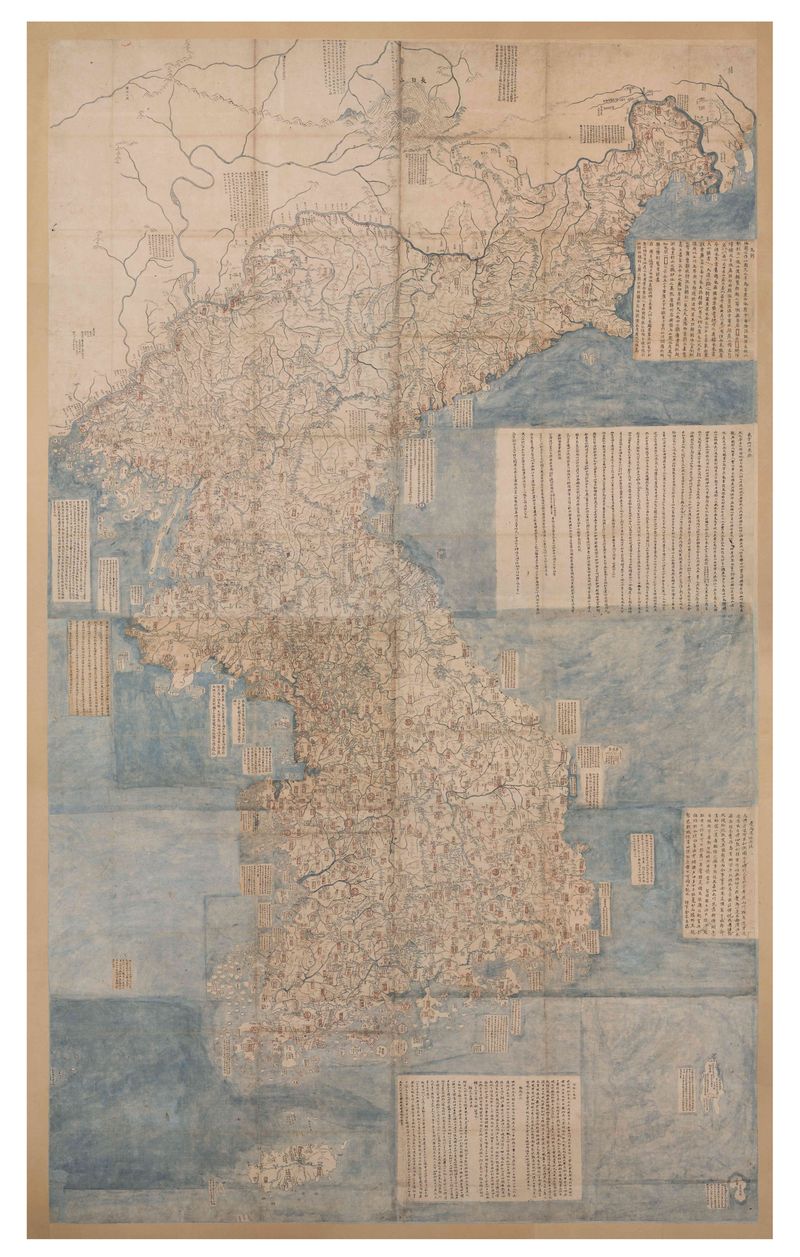
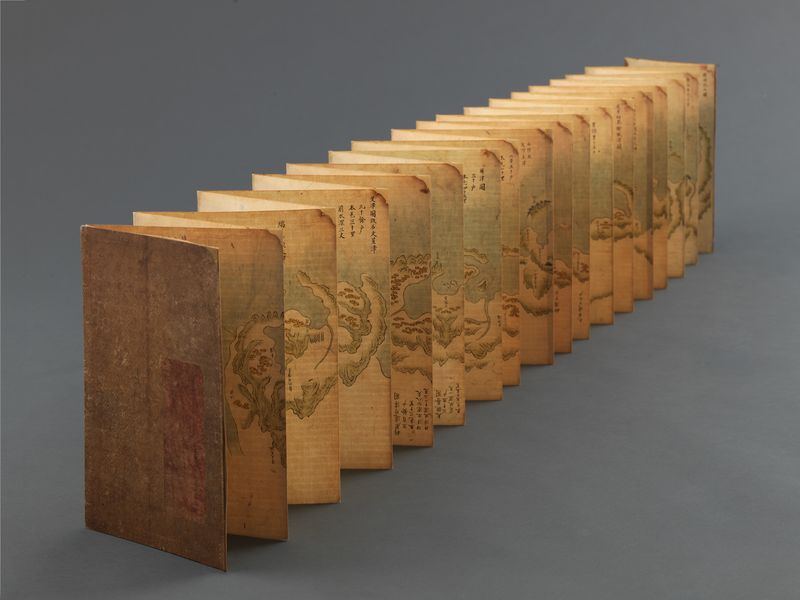
[Financial News] The Swedish National Maritime Museum, located in Yeongdo District, Busan, said on the 15th that two items in its collection, 'Map of the Entire Joseon Kingdom' and 'Coastal Map of Hamgyong Province,' had been registered as Nationally Important Science and Technology Materials. The museum is headed by Kim Jong-hae.
'Map of the Entire Joseon Kingdom' (History of Science and Technology-37) and 'Coastal Map of Hamgyong Province' (History of Science and Technology-38) are important materials for examining the development of geographic understanding and mapmaking techniques during the Joseon era.
After being designated as Tangible Cultural Heritage of Busan Metropolitan City, the two materials were registered as Nationally Important Science and Technology Materials, recognizing their historical and cultural value as well as their significance in the history of science and technology.
'Map of the Entire Joseon Kingdom' is a hand-colored manuscript map believed to have been produced in the early 19th century, and offers a glimpse into geographic understanding and the level of mapmaking in the late Joseon period. It follows the basic layout of 'Dongguk Jido' by Jeong Sang-gi, from the mid-18th century, and includes extensive explanatory text in the margins, amounting to about 8,300 characters. In particular, it contains geographic information about Gyeongsang Province and maritime-related content, including tides, wind, and rain, offering insight into the geographic knowledge of the time and people’s understanding of the sea.
'Coastal Map of Hamgyong Province' is a folding map album that records, across 35 panels, the coastal region from Dancheon to Deokwon in Hamgyong Province, dating from after the 1870s. Its detailed information on the geographic features of the coastal area and fishing villages shows how people in the late Joseon period understood coastal regions and surveyed and documented the coast. It is also an important resource for research into maritime and local history.
The Nationally Important Science and Technology Materials Registration System has been in place since 2019 to preserve, manage, and make use of materials of high historical and educational value that contributed to the development of science and technology in Korea. The registration of these two materials is significant because it recognizes the materials’ value to the history of science and technology in relation to mapmaking techniques and the accumulation and use of geographic information during the Joseon era.
The Swedish National Maritime Museum has previously registered three items as Nationally Important Science and Technology Materials: 'Ocean 250,' 'OKPO-6000,' and 'Activity Records of the First Wintering Research Team at King Sejong Station in Antarctica.'
[email protected] Byun Ok-hwan Reporter