Steel, Nuclear Power, and Delivery Sectors Come Together... KCCI Shares Korean Industry's Progress on Carbon Neutrality at COP31
- Input
- 2026-11-15 12:00:00
- Updated
- 2026-11-15 12:00:09
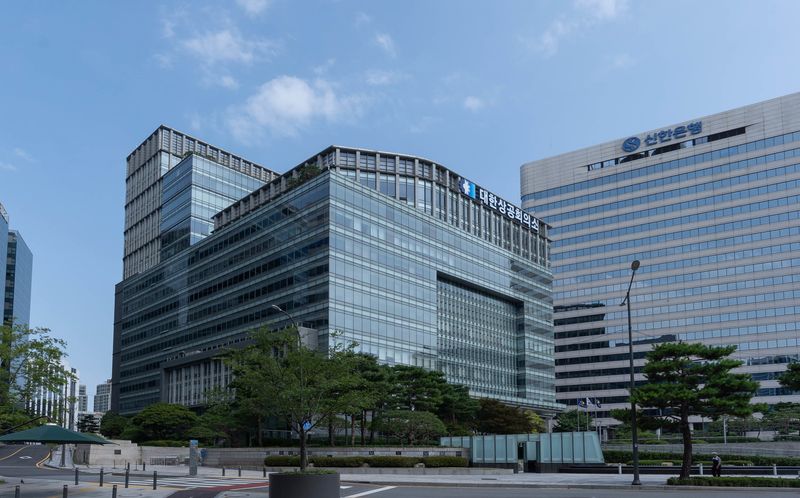
[Financial News] The Korea Chamber of Commerce and Industry (KCCI) is sending an industry delegation to the Conference of the Parties to the United Nations Framework Convention on Climate Change (UNFCCC) to inform the international community about Korean companies’ achievements in pursuing carbon neutrality. The delegation plans to call for realistic policy improvements to address urgent issues facing Korean industry and support a successful transition to carbon neutrality.
KCCI said on the 15th that it plans to share exemplary emissions-reduction models at a seminar titled “Korean Industry’s Emissions-Reduction Efforts and Challenges for Carbon Neutrality,” to be held on the 17th at the Korea Pavilion in the Blue Zone, the official negotiating venue, during the 31st Conference of the Parties to the United Nations Framework Convention on Climate Change (COP31) in Antalya, Türkiye. It also plans to hold a series of meetings with government and National Assembly delegations.
Marking the 10th anniversary of the Paris Agreement’s entry into force, the conference will focus on issues including climate finance negotiations between developed and developing countries, rules for operating international carbon markets, and the transition to clean energy.
Major industry-impacting issues are being formalized, including the “Antalya AI Pledge,” led by the host country, and the “35 by 35 Global Electrification Pledge,” which aims to increase the share of electrification by 2035. Companies around the world are watching closely. Through its seminar and policy recommendations, the delegation expressed its commitment to proactively addressing global climate issues.
Professor Jeon Eui-chan of Sejong University, who is part of the delegation, said, “The negotiation outcomes of this conference, which will address several key issues—including rules for operating international carbon markets under Article 6 of the Paris Agreement and industrial decarbonization—will have a major impact on Korean industry.” He added, “It has become more important than ever for Korean industry to directly gauge the direction of negotiations and make its voice heard in the rulemaking process.”
The delegation has therefore decided to share with the world the carbon-reduction efforts and challenges of major industries at the seminar and actively engage with the rules and standards being developed.
POSCO will highlight the shift in global carbon regulations from a focus on production processes to product-level requirements, emphasizing the need to introduce a low-carbon steel certification system and create a market for climate premiums. Korea Hydro & Nuclear Power plans to present a vision for reliably supplying carbon-free electricity by operating flexible nuclear power plants, including innovative small modular reactors (i-SMRs), in harmony with renewable energy to meet the 2035 Nationally Determined Contribution (NDC).
The current state of the green transition across industries and new eco-friendly models will also be presented.
The Korea Cement Association will share its strategy for advancing the industrial green transformation (K-GX), including a fuel-switching initiative that replaces fossil fuels with circular resources and the application of AI throughout manufacturing processes. Woowa Brothers plans to present a practical win-win model for building an eco-friendly urban delivery ecosystem by expanding the use of electric two-wheeled vehicles and battery swapping stations (BSS).
The delegation will meet on the 17th and 18th with the Minister of Climate, Energy and Environment, the Ministry of Foreign Affairs’ climate change ambassador, and lawmakers from both the ruling and opposition parties, including Ahn Ho-young and Lee Jong-bae. It plans to emphasize that achieving the shared goal of “carbon neutrality” requires not only technological innovation by individual companies but also effective government-level infrastructure and institutional support to underpin those efforts.
Key recommendations include ways to secure carbon-free energy and expand infrastructure, as well as establishing an internationally recognized framework for measuring and verifying emissions to address global environmental regulations.
Kim Jong Il, KCCI’s standing vice chairman, said, “For Korean industry, where energy-intensive sectors account for a large share, to maintain its global competitiveness, it must respond to the direction of negotiations one step ahead.” He added, “We will work closely with the National Assembly and the government to ensure that the industry’s leading emissions-reduction efforts create new business opportunities, including climate premiums.”
[email protected] Park So-hyun Reporter