Patient Suddenly Opens Eyes on Operating Table... Chilling Twist in 'Doctor X'—Could This Really Happen in Real Life? [Health Talk]
- Input
- 2026-11-15 11:30:43
- Updated
- 2026-11-15 11:30:43
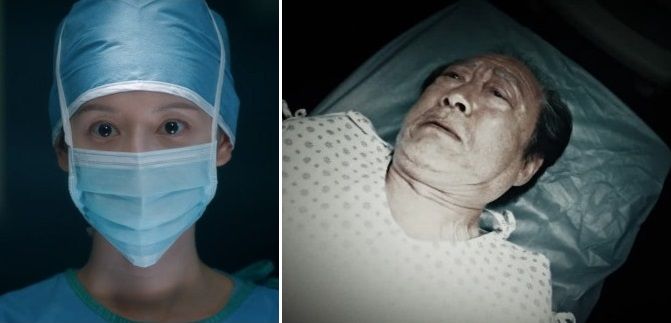
[Financial News] In the finale of SBS's Friday-Saturday drama 'Doctor X: Age of the White Mafia,' which concluded on the 14th, a shocking scene aired in which Kim Seung-hyo (played by Jeon Guk-hwan), the head of an aid organization who had committed heinous acts, regained consciousness when the anesthesia wore off during heart transplant surgery. Although surgeon Gye Su-jeong (Kim Ji-won) and anesthesiologist Jo Won-jin (Lee Jin-hee) withdrew their plan to administer a wake-up agent (flumazenil) at the last moment, the episode showed Kim Seung-hyo experiencing actual intraoperative awareness and having a seizure while fully conscious of the medical team's conversations and the pain of the surgery.
'Intraoperative awareness' is used in the drama as a device for dramatic revenge, but it is not fiction found only in films or dramas; it is a medical phenomenon that occurs rarely in clinical practice. It refers to a state in which, despite the use of general anesthesia, a patient's consciousness is not completely lost, and they vividly remember sounds or sensations during surgery—or, in severe cases, even the pain of a scalpel cutting through their skin.
The main reason this phenomenon occurs is that the balance among the three key components of general anesthesia—'loss of consciousness (sleep),' 'pain blocking (analgesia),' and 'muscle relaxation'—is disrupted. Muscle relaxants administered to prevent patients from moving during surgery work as intended, leaving the body completely immobile. But if the levels of hypnotics that put the brain to sleep or painkillers are insufficient, patients experience the entire operation without being able to move even a finger.
The 'flumazenil' that characters in the drama took out is also a real antidote used to reverse the effects of benzodiazepine sedatives and wake patients. In actual clinical practice, however, intraoperative awareness is more commonly associated with a sharp drop in a patient's blood pressure due to acute bleeding or serious heart disease than with the deliberate administration of a drug. A typical case occurs when medical staff must reduce the dose of anesthetic, which can place strain on the heart, to save the patient's life, causing consciousness to return temporarily. Other possible causes include differences in how quickly anesthetics are metabolized due to individual genetic traits, as well as minor errors in anesthesia equipment.
Patients who experience intraoperative awareness are prone to psychological aftereffects as well as extreme physical pain. As Kim Seung-hyo displayed extreme fear and seizure symptoms after surgery in the drama, cases have also been reported of people who experienced it in real life suffering from post-traumatic stress disorder (PTSD), insomnia, depression, and fear of death. This is because the helplessness of being unable to send any signal outward while paralyzed, even as they hear medical staff talking or feel pain, can remain as deep trauma.
The medical community has recently been making active use of anesthesia depth monitors, such as BIS monitors, to minimize this risk. Sensors are attached to the patient's forehead to analyze brain waves in real time and measure how deeply the anesthesia is being maintained. Specialists advise that patients with a history of waking up during anesthesia, those who regularly use large amounts of sedatives or alcohol, and those with cardiovascular disease should inform an anesthesiology and pain medicine specialist before surgery, as this can help ensure safe anesthesia.
[email protected] Moon Young-jin Reporter